
Thai shrimp farmers urge PM to intervene over Malaysia import suspension



Thai shrimp farmers have sought urgent government help after Malaysia moved to suspend imports of five Thai shrimp species from June 1, raising fears of oversupply and falling farm-gate prices, especially in the South.
Thai shrimp farmers have called for urgent government intervention after Malaysia announced a temporary suspension of imports of five Thai shrimp species, warning that the short-notice measure could disrupt a key export market and push down farm-gate prices, especially in the South.
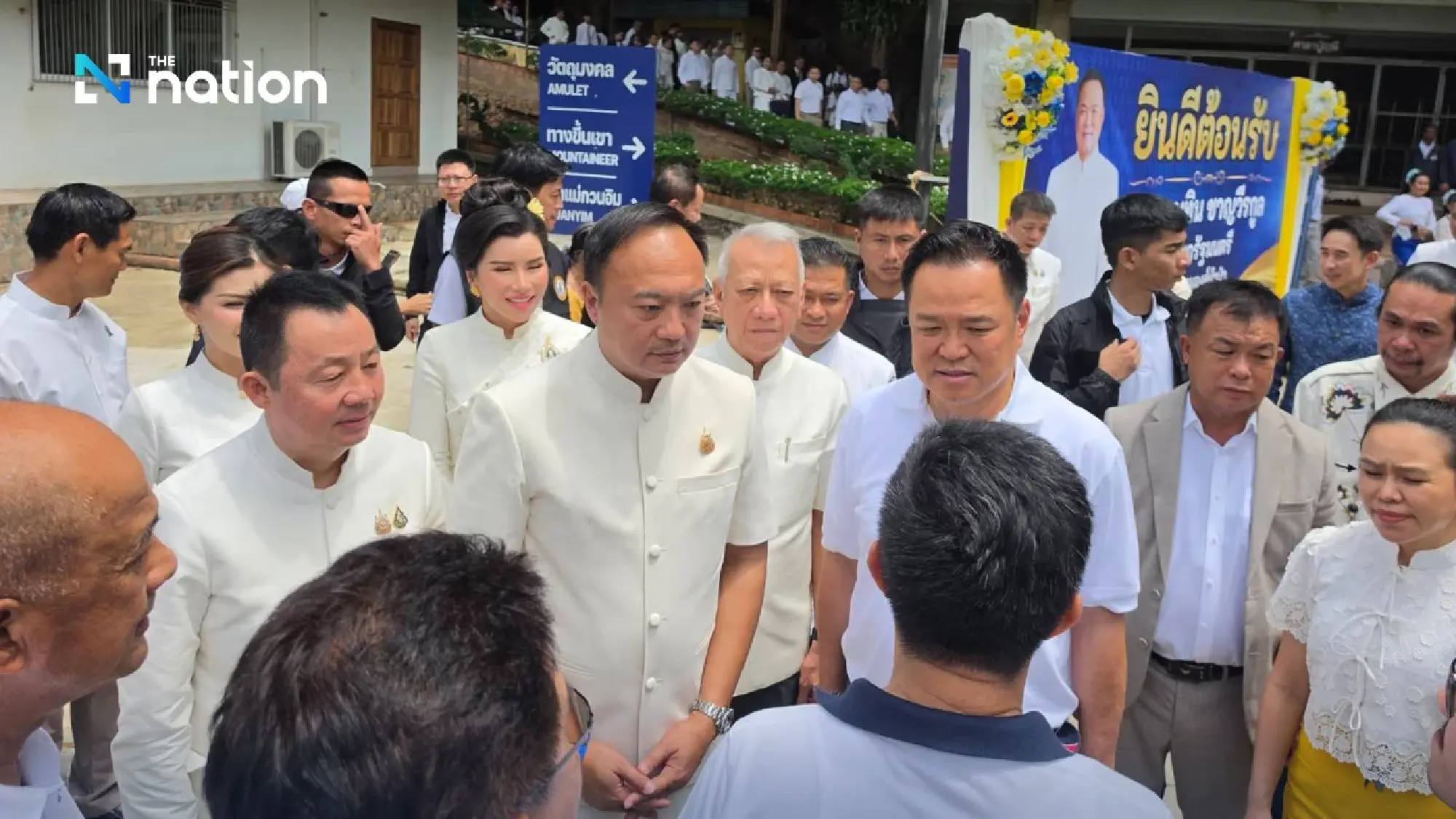
Ekkapoj Yodpinit, president of the Thai Shrimp Association, and Aphichit Warakit, secretary-general of the Thai Shrimp Farmers Alliance, submitted a letter to Prime Minister Anutin Charnvirakul at Tiger Cave Temple in Krabi province on May 31, seeking immediate help for shrimp farmers and coastal fishermen.
The appeal came after Malaysia moved to tighten controls on imports of aquatic products from Thailand, including a temporary suspension of five shrimp species from June 1. A previous report said Malaysia’s new measures would affect both Thai sea bass and five shrimp species, while raising concerns over possible domestic oversupply in Thailand.
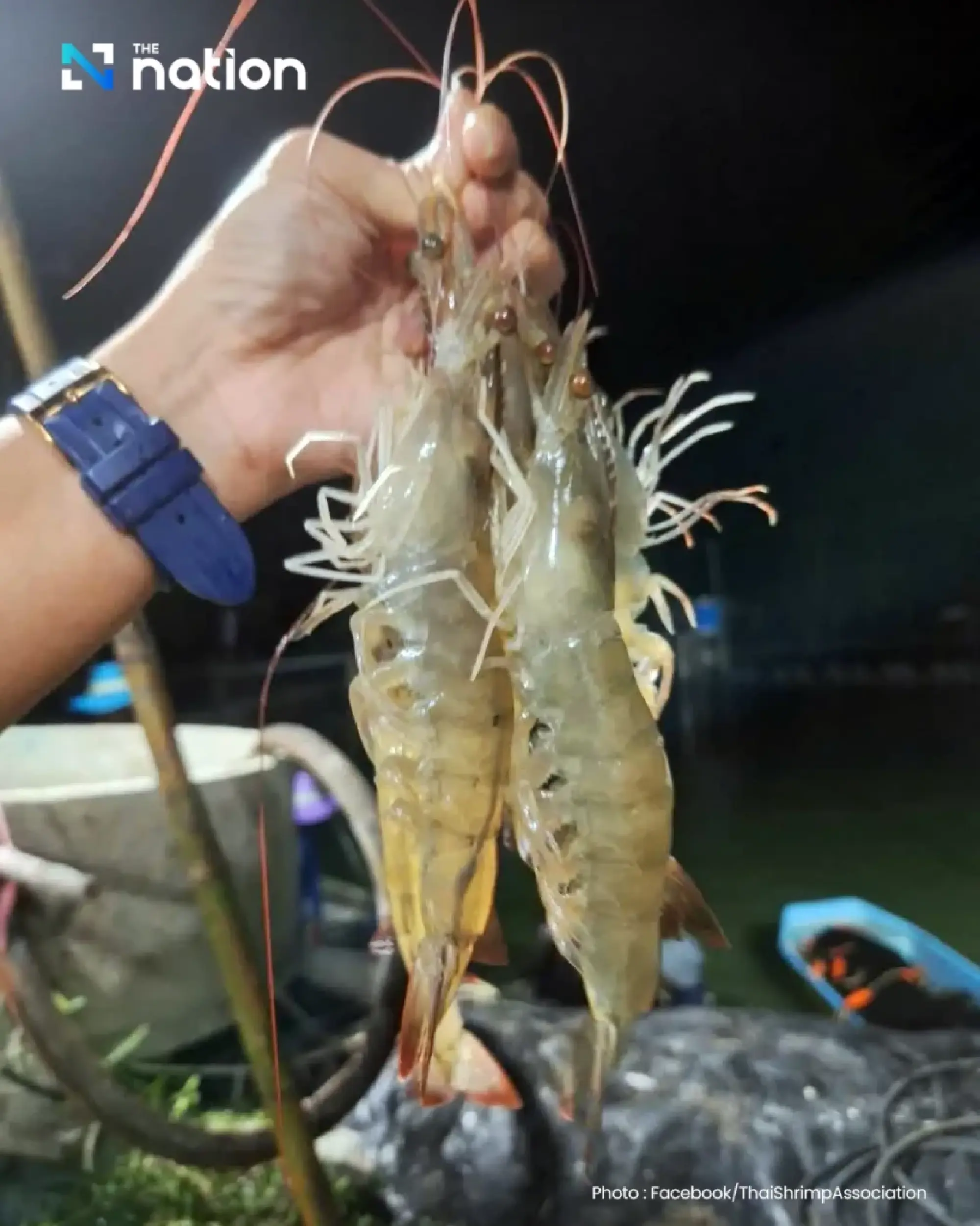

Five shrimp species affected
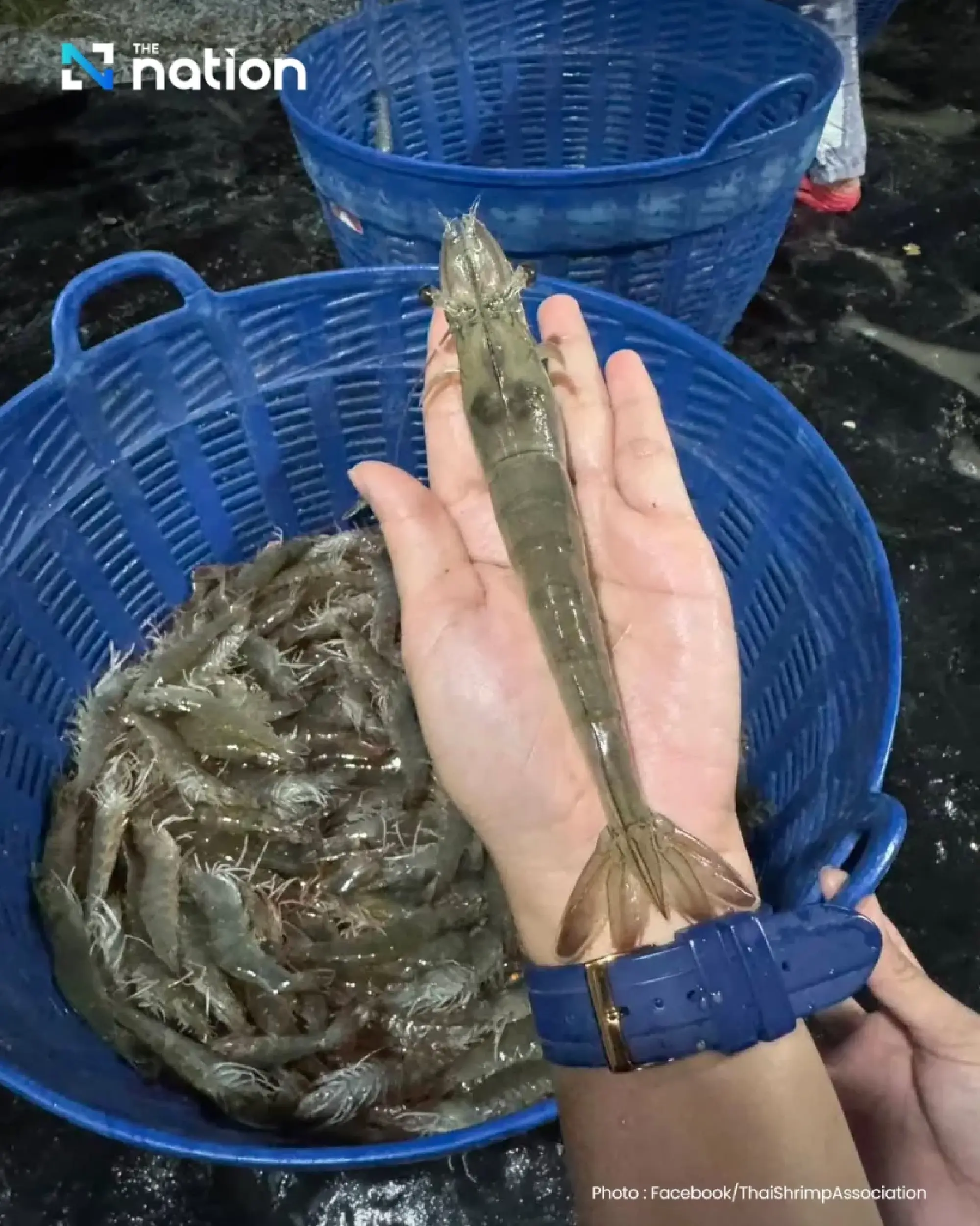
Ekkapoj said the Malaysian measure covers five shrimp species: black tiger shrimp, whiteleg shrimp, banana shrimp, brown shrimp and blue shrimp.
He said the decision had caused serious concern across Thailand’s shrimp production sector because Malaysia is one of the country’s key export markets.
Thailand exports an average of 6,000-8,000 tonnes of shrimp to Malaysia each year, accounting for about 5% of total Thai shrimp exports, according to the shrimp groups.
The Malaysian market is particularly important for shrimp produced in southern Thailand, as it absorbs output from both aquaculture and coastal fisheries without requiring producers to transport goods to the Central region.
Ekkapoj said the market also plays an important role in supporting shrimp prices when demand slows.

Short notice raises price concerns
The shrimp groups said the short period between Malaysia’s announcement and the enforcement date had directly affected farmers, both in terms of prices and business confidence.
They warned that if shipments cannot proceed, shrimp supply may build up in Thailand and put pressure on farm-gate prices.
A previous report also warned that the import suspension could cause direct revenue losses for Thai exporters and lead to domestic oversupply, forcing farmers and exporters to urgently divert shrimp to other markets or the local market.

Groups seek talks with Malaysia
The Thai Shrimp Association and the Thai Shrimp Farmers Alliance, which together represent 19 farmers’ organisations, urged the government to act quickly.
They asked Thai authorities to negotiate with Malaysia to ease the measure or delay its enforcement.
Malaysia’s import suspension has been described as a reciprocal trade measure after Thailand previously imposed similar conditions on Malaysian shrimp imports. The suspension will continue until Thai agencies submit completed responses to a food-safety standards questionnaire for reassessment by Malaysian authorities.
Sea bass rules also in focus
The shrimp groups also urged the Agriculture and Cooperatives Ministry to quickly establish appropriate procedures for inspections and food-safety certification for sea bass imports.
They said the process should be designed carefully so it is not viewed as a trade barrier, which could risk triggering further trade retaliation against Thai shrimp products.
Under Malaysia’s new rules for Thai sea bass, operators are required to attach a Certificate of Analysis to every import shipment to confirm compliance with Malaysian food-safety standards.
Farmers call for measures to absorb supply
The groups also proposed that the government introduce urgent measures to absorb shrimp output affected by Malaysia’s temporary import suspension.
They said this would help prevent farm-gate shrimp prices from falling sharply and reduce the impact on small-scale farmers.
The Thai Shrimp Association and the Thai Shrimp Farmers Alliance said they were ready to cooperate fully with the government to resolve the issue and minimise damage to Thai shrimp farmers as quickly as possible.
