
EU carry-on bag rules spark warnings of unnecessary fare rises
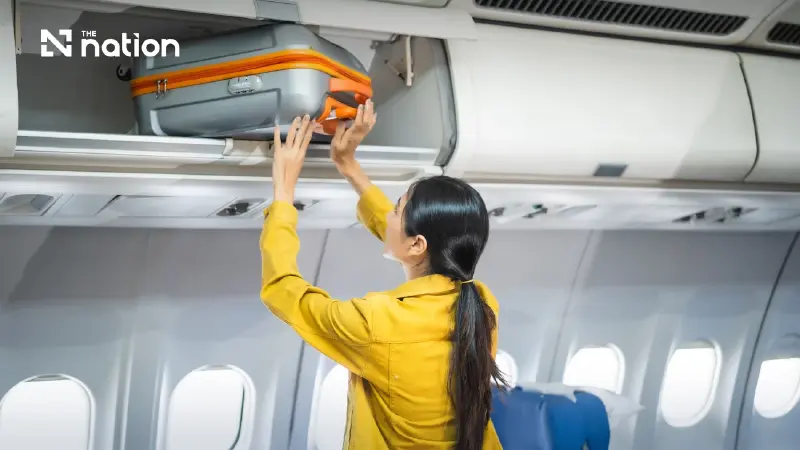


The EU’s new air passenger rights rules will require cabin baggage to be included in ticket prices from 2027, prompting Ryanair to warn that travellers could face unnecessary fare increases.
- New EU rules, effective from 2027, will require airlines to include a standard carry-on bag in the basic ticket price.
- Low-cost airlines like Ryanair have warned that this regulation will lead to an increase in standard fares for all passengers.
- Critics argue the fare hikes are unnecessary as they will force travelers who only need a small personal item to pay for a baggage allowance they do not use.
- Ryanair's CEO estimates the change could raise basic ticket prices by approximately €8 per passenger by averaging the cost of cabin baggage across all customers.
The European Union has agreed new air passenger rights rules requiring airlines to include carry-on baggage in ticket prices from 2027, in a move expected to reshape low-cost airline pricing across Europe.
The new rules target a long-running practice among carriers such as Ryanair and easyJet, which have charged passengers extra for cabin baggage for more than a decade.
Ryanair criticised the EU agreement, arguing that requiring airlines to include cabin baggage in standard ticket prices would push up costs for passengers who do not need the extra allowance.
Michael O’Leary, chief executive of Ryanair, described the rules as “illogical regulation” and “bureaucratic thinking detached from reality”, arguing that they would restrict low-cost airlines’ ability to offer the cheapest possible fares.
O’Leary estimated that the change could raise basic ticket prices by around €8 per passenger, as the cost of travellers bringing cabin bags on board would be averaged into fares paid by all customers.
Ryanair also argued that around half of its passengers travel with only a personal item and do not need a wheeled cabin bag, meaning those travellers could end up paying more even if they do not use the extra baggage allowance.

What passengers will get under the new EU rules
Under the new rules, passengers travelling with airlines covered by EU regulations will be entitled to bring one personal item measuring up to 40 x 30 x 15 centimetres, along with one wheeled cabin bag with combined dimensions of no more than 100 centimetres and weighing up to 7 kilogrammes, without paying an additional fee.
Beyond baggage, the rules also strengthen passenger protections in other areas. Airlines will not be allowed to charge fees for correcting misspelled names on tickets, while passengers who miss the outbound leg of a return ticket will be protected from having their return flight automatically cancelled.
Families will also be entitled to sit together without paying extra seat-selection fees, while airlines will no longer be able to force passengers to download a mobile application in order to obtain a boarding pass.

The agreement follows more than 13 years of negotiations between the European Parliament and EU member states. It is expected to have a direct impact on the pricing model of low-cost airlines across Europe.
The issue is becoming a major point of tension between European regulators and low-cost airlines, which argue that the new rules could undermine a business model based on charging passengers only for the services they choose to use.
