
Meta tightens Facebook rules to reward original content and curb copycats
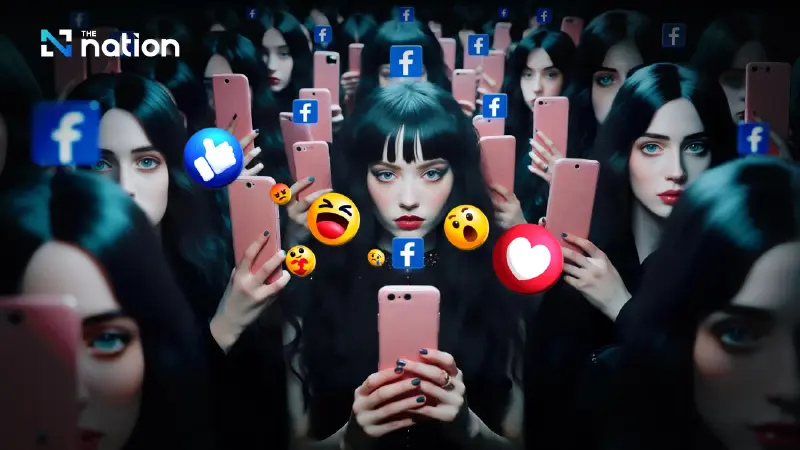


Meta has updated Facebook’s definition of original content and is testing stronger reporting tools for impersonation, as it pushes more reach and monetisation towards genuine creators.
Meta has unveiled tougher measures on Facebook to support original creators, updating its content rules and testing stronger tools to help users report impersonators and protect their work. The move is part of a broader push to reduce the reach of unoriginal posts in Feed and Reels while giving authentic creators more visibility and monetisation opportunities.
Meta redraws the line on ‘original’ content
In a policy update published this week, Meta said content filmed or produced directly by a creator or page owner will count as original on Facebook. Reels that reuse third-party material can also still qualify, but only when creators add something genuinely new, such as analysis, fresh information or substantial changes to the storyline.
By contrast, the company said duplicate uploads and posts with only minor edits will be treated as unoriginal and pushed down in recommendations. That includes reposting content a page did not create, or making low-value changes such as adding borders, captions or speed adjustments. Meta also warned that repeat offenders could face reduced recommendations and even demonetisation.
Meta says crackdown is already paying off
Meta said the strategy has already produced measurable results. In the second half of 2025, both views and watch time for original Reels on Facebook roughly doubled compared with the same period in 2024, according to the company. It also said payout opportunities for original creators have continued to grow.
The company added that it removed more than 20 million accounts impersonating major content creators in 2025, while impersonation reports involving large creators fell by 33%.
New tools target impersonation and copycats
Meta said it is now rolling out enhancements to its content protection system, which it launched last year to help creators detect matches to their original Facebook Reels across Meta’s platforms and take action. The latest update will add easier reporting of potential impersonators in one place through the same tool, with wider rollout planned for more creators.
Separately, Meta said it is also expanding AI-based systems to detect impersonation scams involving celebrities, public figures and brands, using signals from text, images and context to identify deceptive behaviour more quickly.
Part of a wider fight over Facebook’s feed quality
The changes underscore how central original content has become to Facebook’s creator strategy. Meta said it wants to make it harder for spam, copycats and impersonators to crowd out authentic voices, while improving what users see in recommendations across Feed and Reels.
