
10 high-sodium Thai dishes that may quietly harm your kidneys
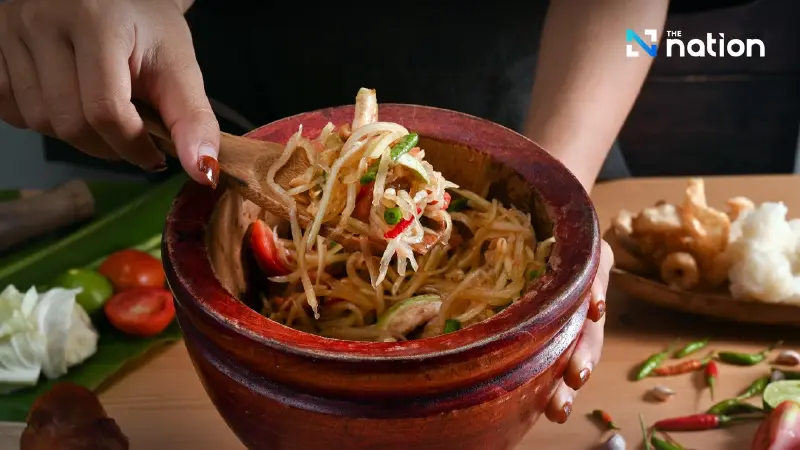


Doctors warn that several popular Thai dishes, including Som Tam Pla Ra, creamy Tom Yum Goong and Thai sukiyaki stir-fry, can contain nearly a full day’s sodium allowance in one meal.
Kidney specialists have warned that high sodium intake is one of the major factors that can accelerate kidney deterioration.
When the body receives too much salt, it can lead to fluid retention, high blood pressure and increased pressure on the tiny blood vessels in the kidneys. Over time, this pressure can gradually reduce kidney function with few noticeable symptoms.
The World Health Organisation and Thailand’s Ministry of Public Health recommend consuming no more than 2,000 milligrams of sodium per day, equivalent to about one teaspoon of salt. However, recent survey data show that Thais consume an average of 3,650–3,850 milligrams of sodium per day, nearly double the recommended level.
Doctors said the kidneys are highly resilient organs. Even when more than 70% of kidney function has already been damaged, many patients may still feel no obvious symptoms.
By the time the condition progresses to stage 5 chronic kidney failure, the kidneys may stop functioning properly, making dialysis or kidney replacement therapy necessary.
At that stage, patients may suffer fatigue, anaemia, swelling, fragile bones, weakened immunity and an increased risk of death.

10 Thai dishes with high sodium levels
Although these are familiar dishes that many Thais eat almost every week, several contain sodium levels close to — or even exceeding — a full day’s recommended intake in just one meal.
1. Som Tam Pla Ra / Som Tam Pu (Papaya salad with fermented fish sauce/salted crab) — around 1,913mg of sodium
Just one plate can nearly reach the entire daily sodium limit, mainly because of fermented fish, fish sauce and salted crab.
2. Creamy Tom Yum Goong (creamy spicy shrimp soup) — around 1,726mg of sodium
Chilli paste, fish sauce and ready-made seasonings make this spicy soup easy to sip, but hard on the kidneys.
3. Thai sukiyaki stir-fry — around 1,300–1,500mg of sodium
The main risk is not the noodles or meat, but the sukiyaki sauce and dipping sauce.
4. Pork Panang curry — around 1,349mg of sodium
Ready-made curry paste, coconut milk and fish sauce make this rich dish far saltier than many people realise.
5. Chicken Massaman curry — around 1,303mg of sodium
Although it tastes sweet, the curry paste and seasonings can still contain a high accumulated level of salt.
6. Pad Thai — around 1,138mg of sodium
Sweet tamarind sauce can mask the salty taste, making many people unaware of the amount of fish sauce and seasoning used.
7. Yum Mama — more than 1,000mg of sodium
This spicy instant noodle salad is high in sodium from both the instant noodles and the strongly seasoned dressing.
8. Chicken green curry — around 870mg of sodium
9. Tom Kha Gai (Thai coconut chicken soup) — around 854mg of sodium
10. Kuay Teow Reua Nam Tok (Thai Boat Noodles) — around 842mg of sodium
Adding more fish sauce, vinegar, chilli flakes or other table condiments can push sodium intake even higher.
Warning signs you may be eating too much salt every day
Doctors say people should start paying attention if they regularly experience these symptoms:
- Swelling of the face, hands or feet in the morning
- Constant thirst
- Reduced urination or dark-coloured urine
- Frequent headaches
- High blood pressure
- Unusual fatigue
These symptoms may indicate that the body is retaining fluid and that the kidneys are working harder to remove excess sodium.
Experts stressed that kidney disease does not happen overnight. It is often the result of small daily habits building up over time, especially the regular consumption of strongly flavoured, high-sodium food.
Without early changes, some patients may eventually face lifelong dialysis.

How to enjoy Thai food without damaging your kidneys too quickly
Doctors said these dishes do not need to be avoided permanently, but they should be eaten more carefully to reduce the burden on the kidneys.
1. Avoid drinking too much soup or sauce
In many Thai dishes, sodium is hidden in curries, soups, broths and spicy dressings. Eating mainly the meat and vegetables can significantly reduce sodium intake.
2. Ask for less salt, no MSG and no added sauce
Many restaurants are now willing to adjust their recipes if customers make the request from the start.
3. Avoid adding table condiments
Many people immediately add extra fish sauce to noodles or som tam, which can greatly increase their sodium intake.
4. Eat potassium-rich fruit and vegetables alongside meals
Bananas, guava, watermelon and leafy greens can help balance sodium levels in the body.
5. Drink enough water, but do not use it as an excuse to eat salty food
Water helps the body remove waste, but it cannot fully undo the long-term effects of consistently eating too much salt.
6. Check kidney function and blood pressure at least once a year
Early-stage kidney disease usually has almost no symptoms. Blood tests, urine tests and eGFR checks are among the fastest ways to detect early warning signs.
