
Thai spa market set to reach 97bn baht as wellness models evolve
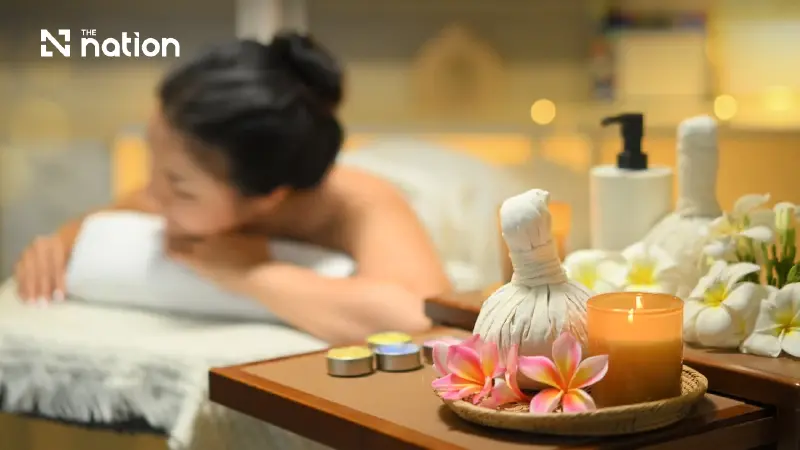


Thailand’s spa market is forecast to reach 97.09 billion baht by 2028 as operators expand beyond massage into social, holistic and everyday wellness.
- The Thai spa market is forecast to grow at a compound annual rate of 9.40% between 2023 and 2028, reaching a value of approximately 97.09 billion baht.
- This growth is driven by the industry's evolution beyond traditional massage to meet changing consumer demands for services related to daily health, preventative care, and recovery.
- Spa operators are diversifying their business models to include Japanese-style onsen, movement and fitness programs, and social wellness spaces that can be shared with others.
- Brands are also expanding into related wellness products, such as home fragrances and skincare, to extend the customer experience and integrate into daily routines.
Thailand’s spa industry is moving beyond traditional massage and short relaxation treatments as operators seek a larger role in the fast-growing global wellness economy.
The global wellness economy was valued at US$6.8 trillion in 2024, up 7.9% from 2023 and twice its size in 2013, according to the Global Wellness Institute (GWI). The institute expects the sector to expand by an average of 7.6% a year between 2024 and 2029, reaching almost US$9.8 trillion.
Spas form part of this wider economy, with growth extending across establishments, services and related products.
GWI reported that the world had 201,861 spa establishments in 2024, generating combined revenue of about US$157 billion. The industry recorded average annual revenue growth of 7.4% between 2007 and 2024.
Global Market Insights valued the worldwide spa and wellness facilities market at US$169.5 billion in 2025. It forecast the market to increase to US$182.6 billion in 2026 and US$332.8 billion by 2035, representing a compound annual growth rate of 6.9%.
Meanwhile, Fortune Business Insights estimated that the spa-products market was worth US$66.65 billion in 2025 and would grow from US$71.85 billion in 2026 to US$131.13 billion in 2034, at an annual rate of 7.81%.

Consumers seek more than relaxation
The industry’s expansion is being accompanied by changing consumer expectations. Customers are no longer looking only for relaxation, but increasingly want services connected with improvements to their daily health and wellbeing.
These include better movement, post-exercise recovery, sleep and stress management, preventative health and support for a longer, healthier life.
Wellness is also becoming more social. Activities that were once largely individual are increasingly being complemented by running clubs, movement communities, workshops and other events that bring people together through shared health interests.
Community is consequently becoming part of the wellness experience alongside treatments and other services.
This shift is changing competition within the spa industry. Businesses are no longer competing only through massage menus, treatment rooms or atmosphere, but also through their ability to become part of customers’ regular wellness routines and give them reasons to return more frequently.
Thailand has strong foundations in traditional Thai massage, herbs and service culture. At the same time, urban consumers are increasingly treating wellness as an ongoing form of self-care rather than something reserved for holidays or occasional relaxation.
The country’s large tourism industry also provides a platform for expanding health and wellness tourism as Thailand seeks to strengthen its position as a medical hub.
Thai spa market forecast to reach 97.09bn baht
Figures from the Tourism and Sports Economics Division, cited in Siam Wellness Group’s 2025 annual report, showed that Thailand had 92,813 businesses in its health-tourism industry that year, representing a market worth about 670 billion baht.
The total included 28,203 direct-service businesses worth approximately 220 billion baht and 64,610 indirect-service businesses valued at about 450 billion baht.
For the spa market specifically, MarketLine estimated its value at 61.935 billion baht in 2023, rising to 65.354 billion baht in 2024 and an estimated 70.672 billion baht in 2025.
The market is forecast to grow at a compound annual rate of 9.40% between 2023 and 2028, reaching approximately 97.089 billion baht by the end of that period.
Growth is being driven by both foreign tourists and domestic consumers seeking health, relaxation and services that fit changing lifestyles.
As the meaning of wellness expands, future growth will not necessarily depend only on customers having more massages. Consumers are increasingly seeking experiences that combine rest with movement, recovery, preventative care and social connections.
Brands must therefore define more clearly what role they intend to play within the wider wellness market.
Four brands present different wellness models
With a large number of operators competing in Thailand, brands are trying to distinguish themselves through services, locations, customer experiences and expansion into related businesses.
Yunomori, Let’s Relax, PAÑPURI and Divana illustrate different approaches to this changing market.

Yunomori moves from onsen to social wellness
Yunomori was among the pioneers of Thailand’s onsen market, identifying an opportunity to combine Japanese-style bathing with traditional Thai massage.
Yunomori Onsen & Spa is the principal brand of Onsen Retreat and Spa Group Public Company Limited, or ONSENS.
After helping introduce onsen services to Thai consumers, the brand is now repositioning itself from an onsen and spa destination into an everyday wellness destination combining bathing, spa treatments, movement, recovery and community.
It currently has locations in Sukhumvit, Sathorn Soi 10, Pattaya and Singapore.
The shift can be seen in the refurbishment of its Pattaya branch, which is being designed to provide mixed-gender onsen services for customers who want to spend time with friends, family members or partners.
This represents a move from personal wellness towards social wellness, allowing visitors to share an onsen experience rather than being separated under the traditional model.
The company has also introduced Yunomori MOVE, connecting Pilates, barre, strength training and stretching with its onsen and spa services.

A customer’s visit can therefore begin with exercise, continue with recovery and end with relaxation within the same ecosystem. The model reflects a broader wellness trend in which movement and recovery form parts of the same routine rather than being treated separately.
It also gives customers more reasons to visit regularly instead of using spa services only occasionally.
Yunomori is also developing a wellness community through workshops, movement activities, recovery services and events that connect health-conscious customers.
The company is working on a Social Wellness Space and Social Wellness Hotel in Bangkok’s Thonglor area as it expands beyond the traditional onsen and spa model.
After spending its first 14 years familiarising Thai consumers with onsen culture, its next challenge is to make wellness part of everyday life and an experience that customers want to repeat with others.
KLAI SPA modernises the traditional day-spa model
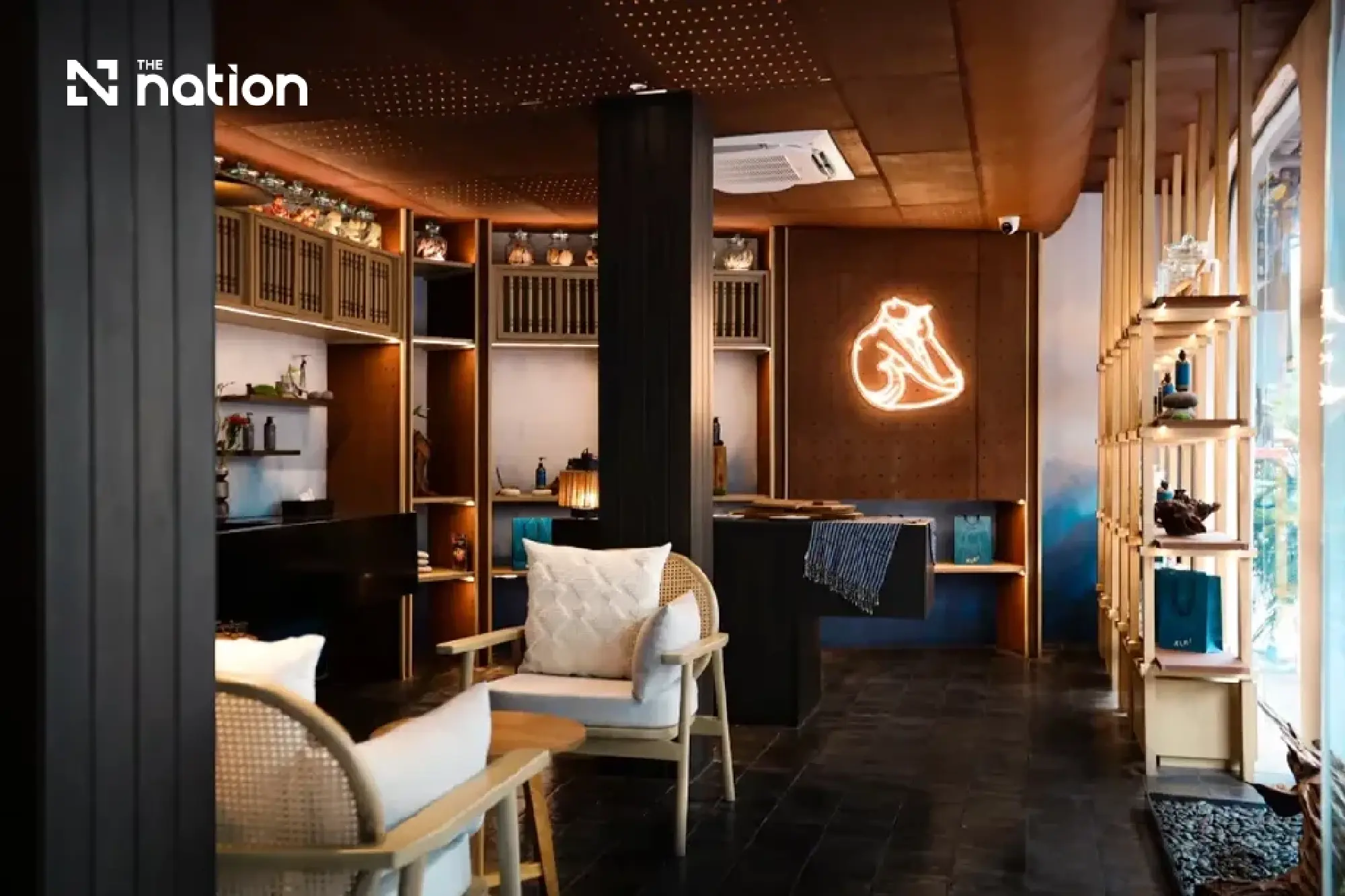
KLAI SPA operates as a day spa focused on health-oriented massage services.
The brand seeks to modernise traditional Thai massage to meet the needs of contemporary customers. It currently has one location, a flagship outlet in Bangkok’s Song Wat district.
Let’s Relax expands from boutique spa to onsen
Let’s Relax Spa has operated for more than 28 years and positions itself as a leading internationally standardised boutique day-spa brand in Thailand.
It has more than 70 branches across seven tourism provinces, making its services accessible in several of the country’s leading destinations.
The brand combines relaxation, privacy and boutique-spa design, seeking to create a welcoming experience from the moment customers arrive. More than 10 million customers have used its services during its years of operation.
Let’s Relax has built on its spa business by expanding into Japanese-style onsen services designed to provide physical and mental relaxation.
Its onsen facilities feature five pools, together with sauna, steam, hot-stone and cool-down areas. Let’s Relax Onsen & Spa currently operates four branches — three in Bangkok and one in Pattaya.
The company has also moved into the co-wellness market through its Let’s Relax Spa branch at WellnessMe Bangna, offering private rooftop pools and an ice bath in an exclusive rooftop setting.

PAÑPURI takes wellness beyond the treatment room
PAÑPURI Wellness at Gaysorn Tower in Bangkok’s Ratchaprasong district positions itself as a holistic urban wellness retreat combining services with the brand’s products.
Its approach draws on Asian wellness philosophies adapted for life in the 21st century. Services include mineral-rich onsen bathing, organic spa treatments, organic food and wellness programmes intended to promote relaxation and recovery from the pressures of urban living.
PAÑPURI offers both traditional Japanese onsen experiences and seasonally changing baths. At the time of the report, it was featuring Ureshino Onsen, a hot spring from Saga, Japan, with a history stretching back about 1,300 years.
The brand also highlights its Clean & Ethical Practices and ZeroList™ standard, under which more than 2,300 ingredients considered potentially irritating or environmentally harmful are excluded.
Its wellness services include the Ancient Onsen Bath Ritual, other onsen and spa treatments, and Thermal & Ice Bath programmes. Facial services using LED light therapy are also available.
A newly introduced treatment combines heat and cold as part of an experience designed to restore balance to the skin and mind.
PAÑPURI’s model connects wellness services with its product business, allowing the customer experience to continue through products used at home as part of a daily routine.
Divana turns spa treatments into a wider experience
Divana Spa has also expanded from conventional spa services towards broader wellness experiences.
The brand offers luxury Thai health and beauty treatments, combining Thai spa practices with natural healing methods, nature-inspired aromatherapy and contemporary wellness rituals.
Its services use signature aromatherapy oils, Thai massage techniques and treatments intended to restore balance, relieve stress and support long-term wellbeing.
Divana has extended the spa experience into Thai herbal wellness products, signature fragrances and home-scent collections.
Each fragrance draws on selected botanicals and Thai wellness philosophy, with the aim of creating a calm atmosphere and gently restoring balance to the body and mind.
The products allow customers to carry elements of the spa experience into their homes, turning everyday spaces into settings for relaxation and mindful rest.
Divana has also launched a “Wellness Community Hub” in Thailand as part of its ambition to expand holistic healthcare services and promote a longer period of healthy living.
From massage services to the wellness economy
The different business models show that Thailand’s spa sector is diversifying across onsen bathing, traditional spa services, movement and recovery programmes, social-wellness spaces and self-care products.
As the value of the Thai spa market continues to increase, competition will extend beyond massage services to brand identity, customer-experience design and the ability to develop new services that match changing health and wellness expectations.
Source: Thansettakij
