
Phang Nga ATM hack in March linked to gang’s Bt12m theft


Play
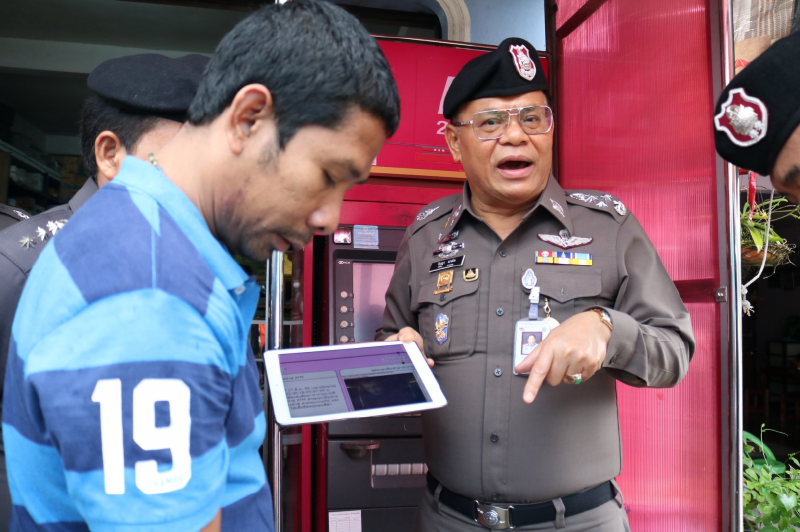
A MARCH 2016 hack of a Government Savings Bank (GSB) ATM in the southern province of Phang Nga is believed to be connected with the latest theft of about Bt12 million from ATMs in Bangkok, Phuket and other provinces in July and August, according to chief
Panya said GSB lost Bt4.5 million in the Phang Nga hack, but previously thought it was an inside job and did not report it to police until more than three weeks later.
Police are reviewing surveillance camera footage of three suspects, including one whose face is seen clearly, as well as tracing a vehicle driven by the suspects, who are believed to be eastern Europeans.
Panya said the March theft was like hacks at 21 GSB ATMs in Bangkok, Phuket and elsewhere because suspects used the same electronic cards to steal cash from vulnerable ATMs disabled by malware or computer viruses.
Immigration police are examining records of eastern Europeans, especially people from Russia, Romania and Latvia, who are suspected of being involved in the crimes.
Meanwhile, a GSB executive said the bank’s ATM vendor – NCR (Thailand) – had developed a program that could protect cash machines from malware like that which previously affected the ATMs.
NCR was ready to deliver the software to the bank, GSB chief executive officer Chatchai Payuhanaveechai said.
He said NCR had 60 teams ready to install the program at the bank’s ATMs around the country, at a rate of 200 ATMs per day.
Chatchai said GSB planned that all ATMs affected by malware, which have been offline temporarily, would be operational by next month. NCR also plans to distribute the anti-malware software to its other customers around the world.
GSB recently shut down more than 3,000 ATMs in six provinces after many were found to have been infected by malware, while the bank sought technical help from NCR.
