
Shangri-La Asia nets $80M IFC loan for expansion


Play
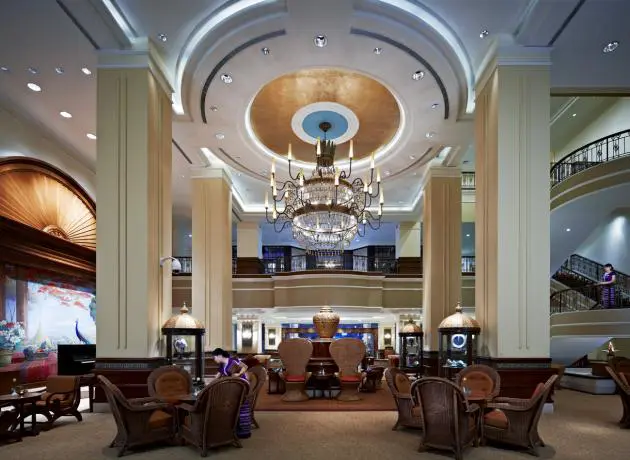
Shangri-La Asia, which manages Traders Hotel Yangon, will expand its hospitality business in Myanmar with an US$80 million loan from the International Finance Corp (IFC), a member of World Bank Group.
Through the loan, the hotel will be expanded from 270 rooms to 485 rooms.
The group opened Traders Hotel in 1996. Its second property, Lakeside Shangri-La, started the groundbreaking ceremony in 2013 for completion in 2017. The hotel by the Kandawgyi Lake houses 350 rooms.
“The steady increase of domestic and foreign investment in Myanmar’s economic capital makes Yangon an important commercial centre,” said Shangri-La President and Chief Executive Officer Greg Dogan said in a statement to mark the groundbreaking ceremony. “Along with the city’s period buildings, traditional architecture and historic charms, it’s easy to see the multi-faceted attractions of Yangon. We look forward to further contributing to the city’s tourism and welcoming visitors with shangri-La’s hospitality from the heart.”
In a statement, IFC said that the loan will improve the country’s business and travel infrastructure by providing international-standard rooms and conference facilities, boosting Myanmar’s tourism sector, contributing to its economic diversification and sustainable growth, and creating jobs.
Parts of the $80 million loan will also be used to complete construction of the Shangri-La Residences Yangon, a 240-apartment building. Both projects are expected to be finished in 2014, helping meet the acute demand for hotel rooms and serviced apartments from business travellers and expatriate workers. International arrivals in Myanmar have increased by around 30 per cent a year since the economy opened, surpassing one million for the first time in 2012.
“This investment deepens our relationship with IFC toward developing the hospitality industry in a challenging country environment in Southeast Asia,” said Madhu Rao, Chief Financial Officer of Shangri-La. “The projects’ key locations in the central business area of the country’s most populated city Yangon, along with Shangri-La’s quality, will set a benchmark and raise the quality of services available locally.
“IFC will work closely with Shangri-La to ensure international environmental, health, and safety standards are adhered to at the sites. The renovation and construction projects are providing jobs for more than 1,000 local workers. About 600 permanent employees – of whom about one-third are expected to be women – have been hired and trained in hospitality to operate the properties. At a time of growing economic interest in Myanmar, it is crucial to increase access to much needed business-enabling infrastructure to attract more investors and travelers, as well as helping place Myanmar on a par with other commercial hubs in the region,” said Vipul Prakash, IFC Director for Manufacturing, Agribusiness and Services, Asia Pacific region.
“The operation of international standard hotels and serviced apartments will help generate jobs and provide supply chain linkages to local farmers and suppliers, thus boosting the tourism sector and contributing to economic diversification and sustainable growth.
“IFC, together with the World Bank, is supporting reforms and investments in Myanmar to strengthen the private sector and create jobs to reduce poverty and boost shared prosperity. IFC works to improve the country’s investment climate, access to finance, and infrastructure, with an initial focus on the power and telecommunications sectors.
