
ADB calls for more focused investment
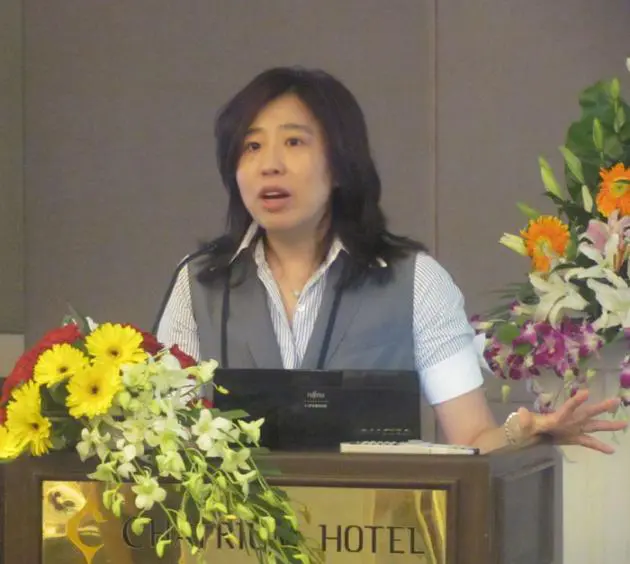


Education budget needs to be raised aside from greater women participation in politics: ADB
Production input, investment, infrastructure, and human capital are highlighted as the areas that Myanmar should focus on the most to reap its full potential.
"These are the areas which need to be emphasised. In terms of finding the actual drivers for sectors like agriculture, and manufacturing, creating jobs will broaden the reach of the benefit for the people," said Cyn-Young Park, an assistant chief economist of Asian Development Bank (ADB).
The development bank today launched the country diagnostic study, entitled “Myanmar: Unlocking the Potential".
Myanmar can grow 9 to 10 per cent per annum by 2030 if the country manages to maintain its political and economic stability, she said. In that case, Myanmar's per-capita income can surpass US$5,000 by 2030.
On the sideline of the launch, Park said that whether the government manages to set strategic policies on important issues or not will decide the future of Myanmar’s economy.
“The country needs to think very strategically what the key trends are and what could be the potential drivers for growth. First, the government needs to focus on laying the foundation in order to accelerate public sector reforms, ensure macroeconomic financial stability, and create a business-enabling environment through appropriate regular framework and strategic investment in infrastructure,” she said.
She added that it is important to lay a strong foundation for economic, social, and political economy while the government also needs to emphasise on institutional building and macroeconomic management.
The country needs to create the businesses and investment-friendly environment, access to markets, access to finance that create business and economic opportunities, and also attract investment, she said.
“If you look at the public spending on education, even in the two years, it has grown more than double in terms of public spending on education. But when we compare with other countries in the region these spending and investments still remains low. They have to be increased further.”
Park suggested that the participation of women is vital to sustainable growth.
Park also urged the country to focus more on women's political participation, as the ratio remains low despite more female workforce in the manufacturing sector.
"Myanmar women actually account for nearly half in the public sector employees. But at the deputy director level or above, the ratio is still struggling. In almost every country in Asia, you will see relatively low female representatives in politics. But when compared to other Asian countries, Myanmar has a little lower proporation of seats held by women in parliament.”
