
Pilot screening process sees 40 granted citizenship in Rakhine so far


Play
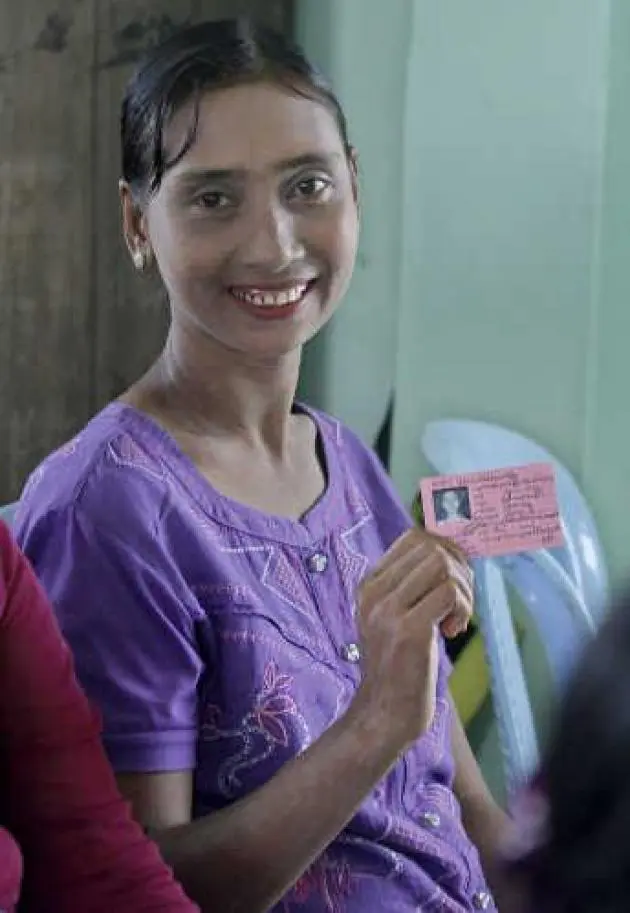
Sittwe - The Rakhine regional government has said that 40 Bengali residents of the state have been granted citizenship under the 1982 Citizenship in a new citizenship-screening pilot project, and they are now free to leave the state and travel nationwide.
“Since they are now Myanmar citizens, they have citizens’ rights. They are allowed to travel independently in the entire country,” chief minister General Maung Maung Ohn said. He cautioned, however, that their movements within Rakhine State would be restricted due to the communal tension in the state between ethnic Rakhine residents and the Bengali minority, who refer to themselves as Rohingya – a term that is also used internationally.
The citizenship screening pilot project is taking place in Sittwe District’s Myebon Township, where an estimated 3,000 Bengalis reside. The township is about 51 km (32 miles) from the state capital, Sittwe, and accessible only by boat.
Maung Maung Ohn said more than 1,000 had already applied for citizenship. The screening process takes place at the township, regional and state levels. Both ethnic Rakhine and Bengalis residents of the state participate in the first two levels.
“The citizenship-screening process is continuing,” an official with the immigration and national registration department of Rakhine State said. The official said that those who lacked proper documents are screened through interviews with other people. The 40 who have passed the screening process are “now citizens of Myanmar”, he said.
In a report by Reuters, quoting anonymous officials from Myanmar's immigration ministry, 1,094 Muslims took part in the pilot verification process in displacement camps in Myebon. In the report, 209 received citizenship and some were members of the Kaman Muslim minority, who are recognised by the government as indigenous to Myanmar, but there were also Rohingya.
Officials were not immediately able to explain why this group had been given citizenship, nor how many Rohingya were included, Reuters reported.
