
Old George Town works to keep its charm but stay relevant


Play
Penang's capital is trying to reinvent itself as a vibrant culture heritage centre
A FORMER British colonial port over 200 years ago, Penang’s capital George Town is now trying to reinvent itself as a vibrant cultural heritage centre to attract talent and investment to power its future, while protecting its rich past.
George Town has been caught in a battle between old and new. It would make no sense to tear down heritage buildings in order to make way for the new just for the sake of development and lose the “soul” of the city. So state agencies and allies joined forces to implement zonings as well as conservation-oriented regulations and programmes.
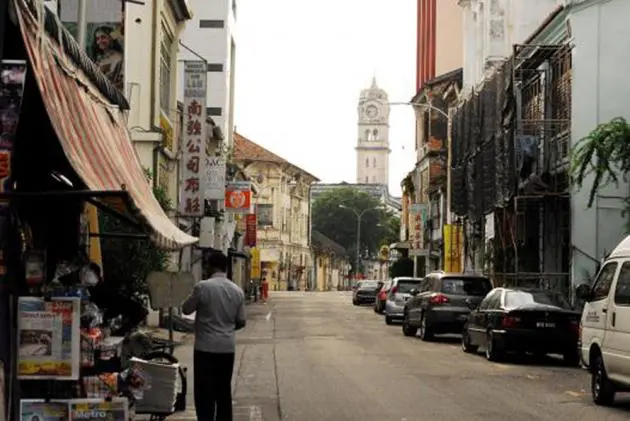
George Town’s major asset for tourism and liveability lies in the 259-hectare inner city area, which was listed in 2008, along with Maleka, as a Unesco World Heritage Site.
The task of conservation was not easy; while its tangibles like the signature shophouses needed restoration and conservation from decay and ruthless development, its intangibles – the traditional communities and way of life – were hit by two waves.
First, abolition of the Rent Control Act in 2000, saw a large number of old residents – 70 per cent of George Town inhabitants are tenants – move away, because they could not keep up with rent increases.
The second wave, still current, is rising property prices, following the heritage site inscription. A shophouse in the 90s was worth around M$300,000-500,000 but now valued at M$2 million.
Tourists and businesses prompted land development spillover to other parts of the island where condo and hotel projects replaced old villages.
Tasked to manage the heritage site to meet conservation guidelines, the George Town World Heritage Inc(GTWHI) divided the town into two zones; the 109-hectare core zone, which prohibits new buildings taller than five storeys, and the 105-hectare buffer zone.
Out of 5,013 buildings in George Town, a total of 3,853 are “heritage buildings”. They are divided into 82 buildings under Category 1 and 3,771 buildings under Category 2, GTWHI general manager Lim Chooi Ping said.
Category 1 structures were to be conserved to retain their original use, form, decoration and traditional materials to preserve authenticity. Category 2 structures warranted preservation efforts for their connection to the street facades, five-foot ways (space at front) and compounds, decorations and materials that should be restored.
GTWHI worked with partners and stakeholders in educating the public and organising activities like outreach programmes and workshops, she said.
It also joined with partners to keep the place creative and happening. The one-month-long George Town Festival (www.georgetownfestival.com), has been organised since 2010 to offer a variety of music, dance, film, arts, and visual spectacles, from local and international artists. GTWHI also worked with Think City – a special project vehicle under the Malaysian government’s investment holding arm Khazanah Nasional Berhad – in implementing the M$20-million George Town grants programme to conserve old buildings, create shared spaces, do cultural mapping as well as launching capacity building programmes. Think City’s two projects secured traditional tenants for Category 2 shophouses.
One of the most affordable housing pilot projects was 10 shophouses on Queen Street, co-funded by the Thailand-based Asean Coalition for Housing Rights that also introduced a revolving fund system for it.
A Queen Street tenant, Leow Lim Hsu Kuang, 57, welcomed the project as it provided tenants with a loan to repair the shophouse’s interior and roof, which helped secure them at least another 10 years of tenancy at a relatively low rent of M$400 a month.
His landlord, the “Toishan Ning Yang Wui Kwoon” association, also secured assistance money to improve the facades.
The renovation gave Kuang’s family, especially his 80-year-old mum, a sense of rejuvenation. The elderly woman and her daughter diligently run a makeshift stall in front of their home to sell T-shirts and souvenirs while Kuang is working in an office elsewhere.
“My friends from other communities are asking to join the Think City project too, because they cannot keep up with the rising rent,” he said.
Although the project helps them now, Kuang admitted he still has a lurking fear of eviction, as property prices and living costs keep on rising.
Echoing the concern over rising costs for people living in George Town, architect Tan Yeow Wooi from Tan Yeow Wooi Culture & Heritage Research Studio said the authorities should keep the number of boutique hotels in check to retain the city’s balance.
Think City’s senior fellow, Neil Khor Jin Keong, however, said Penang had benefited from getting “fewer footprints but higher income” from rich tourists, many of who stayed at boutique hotels. He said the city council should help more with infrastructure repairs and said that George Town could benefit even more from a community-driven approach to conserve and manage the city.
