
Shan, Kayah poppy planters seek crop replacement


Play
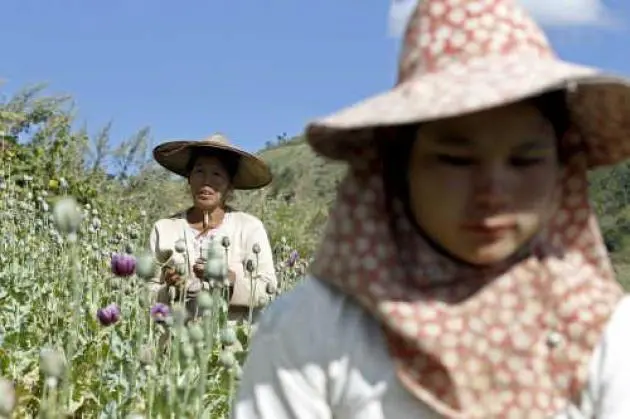
Opium poppy planters in Shan and Kayah states have demanded crop-replacement programs to reduce their dependency on opium as soon as possible.
Throughout this January, poppy plantations along the Balu Chaung River located at the Shan-Kayah border have been targeted for elimination by soldiers from the No 261 Infantry Regiment under the Loikaw Regional Control Command.
On January 17, soldiers from No 261 Infantry Regiment destroyed 10.25 acres of opium plantations, then they destroyed another 6.5 acres on January 18.
Opium planters are now seeking to replace their opium with safer crops.
“The destruction has been on a large scale. I used to grow rice before growing opium poppy, but I only earned enough to eat – I couldn’t send my children to school. Instead of destroying our crops like this, if they don’t want us to grow opium poppy, they should replace our crops so we can send our children to school,” said an opium planter.
Starting in December, which is the rice harvesting period, some farmers begin cultivating opium poppy. But as opium prices and the number of buyers are falling, opium poppy planters have been facing difficulties.
“I could only get US$350 is got for a viss of crude opium,” said Khun Myat Than, an activist for Shan-Kayah border development.
Viss is an old unit of measurement. One viss is equivalent to 3.5 pounds.
“Due to frequent seizing, I haven’t made many sales. Some merchants pay farmers to store opium poppies in their homes. Only the merchants are in a good situation. Last year’s opium poppy price was US$750 per viss. People in good financial situations will keep the poppies and wait for the higher price. But most farmers have to sell at the current market price and prepare for the next cultivation after repaying their debts. We want the government to help us shift away from opium cultivation to other crops and find a good market for us. If they do, I think farmers lives will improve,” added Khun Myat Than.
