
Aircraft leasing back in vogue


Play
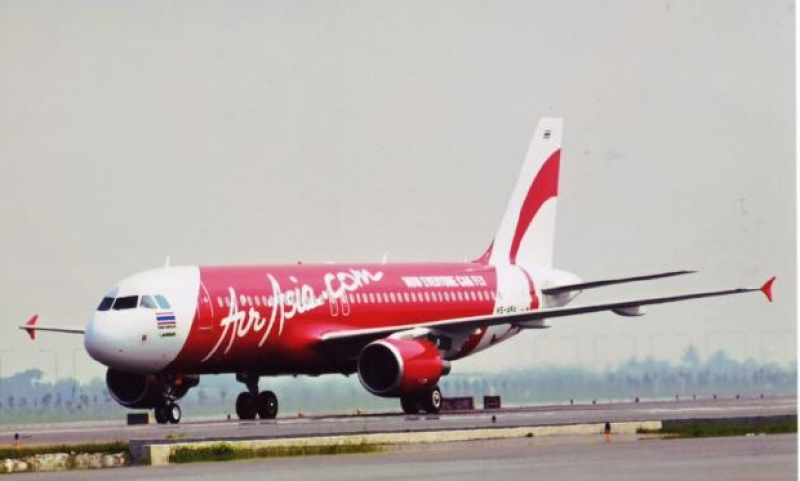
KUALA LUMPUR - AirAsia Bhd group chief executive officer Tony Fernandes is riding on the exuberance of the aircraft leasing business to ponder on a deal worth US$1 billion for its wholly-owned aircraft leasing company Asia Aviation Capital (AAC), which ow
The latest deal in the aircraft leasing business was the listing of Singapore-based BOC Aviation Ltd on the Hong Kong Stock Exchange this week, which had fetched valuations of about US$3.8 billion.
It is the biggest lessor of planes in the region, owning and managing 270 aircraft and making profits in each of its 22-year history.
In January, China’s Bohai Leasing Co Ltd took over Dublin’s Avolon Holdings Ltd for US$7.6 billion to create one of the Top 10 biggest aircraft leasing businesses globally with about 500 aircraft. Aircraft leasing is a new asset class that promises investors returns higher than airlines since it usually involves multi-year contracts being locked in.
The industry is forecast to grow at a compounded annual growth rate of 6 per cent and would become a US$245 billion market by 2021, a report said.
“Aircraft lessors need equity, and lots of it. They then gear up three to four times to buy big aircraft, lease them out for a handsome margin and go home with 15 per cent returns on equity,” said Maybank Investment Bank Bhd senior analyst Mohshin Aziz.
The interest in such leasing companies ties in with a growing trend among airline companies to lease part of their fleet instead of buying it all. This move is said to be helping airlines improve their liquidity and their weighty balance sheets, another report said.
The report highlighted that the leasing of aircraft has been made possible following the deregulation and liberalisation of the industry.
This possibly explains why Fernandes is excited that AAC is now a takeover target.
Fernandes said he had the option of selling the entire equity in AAC or a 30 per cent to 40 per cent portion. He added that the AirAsia board was now mulling over the sale prospect.
“Aircraft leasing is booming, especially in Asia-Pacific. It offers high returns of 10 per cent to 12 per cent. Fernandes’ AAC is a gold mine in his own backyard,” said Endau Analytics Sdn Bhd founder Shukor Yusof.
AirAsia set up AAC in late 2014 and began to lease planes within the group. In its early days, though, there had been an issue of growing receivables of lease income from some AirAsia units that were bleeding.
However, for the quarter ended March 31, AAC turned in a significant revenue of US$53.6 million.
Its earnings before interest, taxes, depreciation, amortisation and restructuring or rent costs (Ebitdar) was US$38.9 million, with Ebitdar margins of 73 per cent. AAC’s Ebitda margin for that period was also at a respectable 28 per cent.
The revenue was from the lease income of the 43 aircraft and lessers include AirAsia Indonesia, AirAsia Philippines, Thailand AirAsia and Malaysia AirAsia. AAC has also since leased out two planes to Pakistan International Airlines.
China, industry watchers said, would provide the growth spur for the aircraft leasing business in this part of the world. Going by some reports, China will need around 6,000 aircraft by 2020.
While the aircraft leasing business has been dominated by Western-based giants, new players from China and North Asia have sunk much capital to venture into this business. This in turn means that they could be keen to buy into companies such as Fernandes’ AAC.
AAC is even more attractive, sources said, because the AirAsia group has been placing massive orders for the “neo” aircraft, the new engine aircraft that saves about 20 per cent in fuel costs.
“If an airline orders a neo aircraft today, it won’t get it in the next five years. Go see Fernandes or Rusdi Kirana of Lion Air,” Shukor said.
AirAsia and Lion Air each accounted for 30 per cent of Southeast Asia’s low-cost carrier market and had ordered about 900 aircraft, the bulk of which were the neos. Of that number, 307 were ordered by AirAsia.
Maybank’s Mohshin said that banks in north Asia, in particular Japan and China, have become formidable players as they acquire big leasing corporations from the west and combine them with their own units.
Mohshin pointed out that since 2014, many traditional big aircraft leasing firms had sold their business, or in part, to financial institutions.
Among these deals were Hong Kong business magnate Li Ka-shing’s purchase of the aircraft assets from Dublin-based AWAS Aviation Capital (a leading aircraft leasing firm) in late-2014 and Bohai Leasing, a subsidiary of the HNA Group, buying Avolon, the world’s third-largest aircraft lessor.
The latest deal is CIT Group Inc (the world’s sixth-largest aircraft lessor) putting up for sale its aircraft leasing business unit, which could fetch around US$3 billion to US$4 billion, Mohshin pointed out.
BOC’s recent initial public offering had attracted 11 cornerstone investors, including Boeing Co, China Investment Corp and Temasek Holdings Pte Ltd.
The remaining large US or European players in the aircraft leasing business are GE Capital Aviation Services, AerCap (which bought over US leasing giant ILFC), BBAM and SMBC Aviation Capital.
It is learnt that AirAsia has set its sight on the China market, after having made a significant entry into the Indian market.
Getting a foothold into the Chinese market has its challenges, according to industry experts. However, sources said that the unfolding story involving a supposed offer on the table to buy AAC had a link to the China market in the sense that the offer could be from a China-based firm, which has the intention of working with AirAsia to penetrate the booming Chinese market.
