
Next station Nana! Why do tourists chuckle?
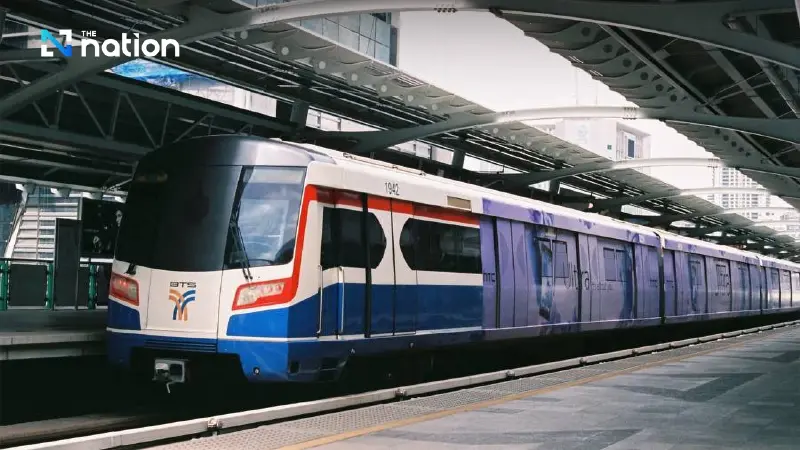


Anyone who has travelled on Bangkok’s BTS Skytrain system has probably heard the announcement for “Nana Station.” But if you’ve ever observed international tourists when the station name is called, you might have noticed a few chuckles.
There’s a funny little story behind why the name “Nana” elicits such reactions, and it’s all about cultural differences and a dash of lighthearted humour.
The Thai connection
Nana BTS Station, located in the heart of Bangkok, is named after Lek Nana, a Thai-Indian mogul whose contributions helped transform the surrounding area into one of Bangkok’s most famous entertainment districts. Today, Nana is widely known for its vibrant nightlife, busy street markets, and international flavour, making it a popular stop for both locals and visitors.

Lek Nana, a prominent businessman and real estate developer, is credited with shaping the Nana area into what it is today. His legacy lives on through the station’s name, but for those who live and work in Bangkok, it’s just another part of the city’s bustling landscape. Nana is more than just a station; it’s a place where people come to socialise, explore, and experience some of the city's most dynamic nightlife.
A play on words
However, the name Nana can be a source of amusement for non-Thai passengers, especially when the announcement is made over the BTS speaker system. While it’s simply a station name for locals, for international visitors, it carries a range of associations that bring out a few laughs.
For English speakers, the word “nana” immediately conjures up thoughts of a beloved grandmother. It’s a term of endearment used across the UK, Australia, and other English-speaking nations, so hearing “Next station: Nana” can create a moment of confusion or amusement. Some tourists might even joke about visiting their grandmother or heading to “Grandma’s house”, a fun and innocent misunderstanding that adds a lighthearted touch to their commute.
In Spanish-speaking countries, “nana” means “grandmother” as well. The connection is similar, as the word carries the same meaning, leading some Spanish-speaking passengers to smile at the announcement, while imagining their own grandmothers in faraway lands.

Things get even more amusing when you consider Nana in the context of Chinese. In Mandarin, “Nana” sounds similar to “哪哪” (nǎ nǎ), which translates to “where, where?” This playful interpretation makes the station name sound almost like a whimsical question: “Where, where are we going?” In the minds of some Chinese-speaking tourists, it can create the feeling of a mysterious destination, an amusing quirk that gets a chuckle, especially when the station is announced mid-ride.
If that’s not enough to bring a smile to your face, some visitors have even compared the sound of the station name to a catchy tune. The repeated “Na na na” sound evokes the rhythm of the famous song “What’s My Name?” by Rihanna, which adds to the playful atmosphere. Instead of simply hearing a station name, some tourists might hear a beat, turning a mundane train stop into an impromptu music moment.

So, next time you’re on the BTS and hear “Next station: Nana,” take a moment to smile along with the other passengers. Whether you’re visiting your own “Nana” or simply hopping off at this vibrant part of Bangkok, you’ll join in the fun, appreciating how the simplest things can bring a little laughter to your day.
In a city that’s always on the move, sometimes it’s the little cultural quirks, like the chuckles at Nana Station, that make the journey all the more memorable. It’s just another reason to love Bangkok, where every stop along the way tells a story, and sometimes, even a good laugh.
