
Airbnb shows how tourism has benefited rural communities in Thailand
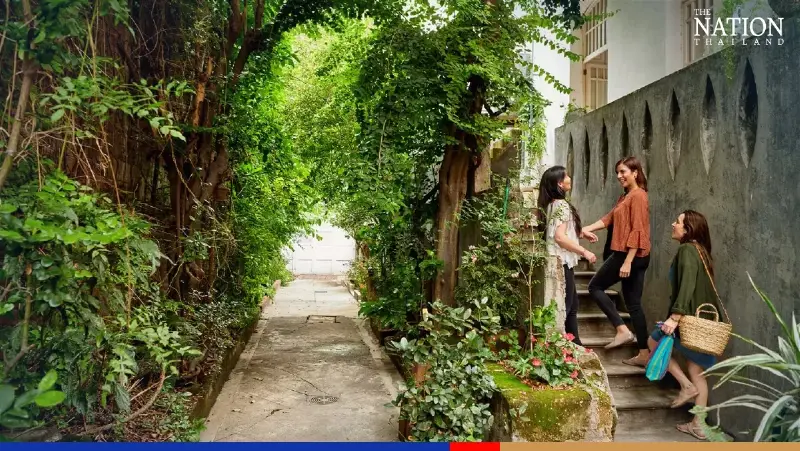


As the travel rebound continues to unfold, the benefits of tourism are spreading across the Asia Pacific. In Southeast Asia, particulary Thailand, Airbnb reveals that the resurgence in domestic and inbound tourism is empowering locals to earn a living and make ends meet.
In Thailand, some of the lesser-known destinations that travellers are exploring include Koh Lanta, Trat, Pai and Cha-am.
Domestically, more than 70 per cent of Thais polled plan to travel more frequently to rural destinations that are not currently popular with tourists, and over two-thirds polled say it is important that they are not contributing to issues such as over-tourism.
With people continuing to embrace flexible new approaches to travel and living, communities that have traditionally missed out in the past are increasingly well-positioned to secure a bigger slice of the tourism pie, according to the new Airbnb report 'Further Afield: Spreading the Benefits of the Travel Revolution'.
Across the region, this has presented fresh opportunities for locals looking to supplement their income as they grapple with rising costs of living.
Across the Asia Pacific, Airbnb nights booked in non-urban areas and typical earnings for non-urban Hosts have increased. Travellers are not only eyeing destinations off the beaten path, but they're also looking to stay longer.
Notably, nights booked for long-term stays (stays longer than 28 days) in non-urban areas approximately doubled in popular travel and remote working hotspot Thailand in Q2 2022, up from Q2 2019 pre-pandemic.
In Southeast Asia, a number of destinations outside major metropolitan hubs were popular among travellers on Airbnb for long-term stays in Q2 2022. Examples included:
Koh Pha Ngan, Koh Lanta and Krabi in Thailand
Ipoh, Kuah, Semenyih, and Port Dickson in Malaysia
Dapa, Panglao, Dumaguete and Silang in the Philippines
Mich Goh, Airbnb's Head of Public Policy for Southeast Asia, India, Hong Kong and Taiwan, said: "More than two years since the start of the pandemic, we continue to see fundamental shifts in travel that are creating new opportunities for lesser known, off-the-beaten-track communities. It's incredibly exciting to see travellers so enthusiastic about exploring new destinations, as well as the positive economic impact cascading to locals."
This ongoing dispersal of travel is empowering locals to diversify their income through hosting and building financial resilience in the face of rising costs of living.
" We are committed to continuing to work together with governments and stakeholders to keep inspiring travellers to step off the beaten path and help ensure more communities can share in the benefits of tourism," he said.
In addition to encouraging travellers to explore further afield through innovative search tools such as Categories and I'm Flexible, Airbnb remains committed to partnering with governments and communities in Southeast Asia.
The company is partnering with Thailand's Tourism Authority of Thailand and Indonesia's Ministry of Tourism and Creative Economy on a range of 'Live and Work Anywhere' initiatives to attract global digital nomads and remote workers, as part of broader efforts to drive inbound tourism as travel returns.
