
Rice Science Centre on consuming 10-year-old rice
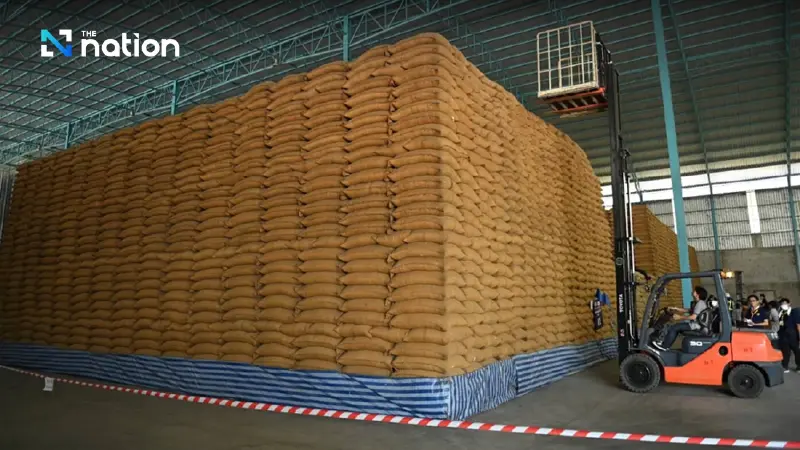


The Rice Science Centre published an article on Saturday by Prof Dr Apichat Wannawijit and the team working on the case of rice stored for 10 years, indicating that it may be safe if the rice is properly stored under the best conditions. However, many factors should be considered before consumption.
Rice should be stored in a cool, dry place, away from light and moisture. It ideally should be stored in an environment that is a vacuum or has little oxygen, so as to extend its shelf life and maintain good quality. If these conditions are not met, the quality of the rice may decrease.
Consumers are advised to check for signs of deterioration, such as unusual odours, discoloration, or the presence of insects or mould. If there are any of these signs, they indicate that the rice should not be consumed.
Even if the rice is stored well, however, if it has been kept for a long time, its nutritional value may decrease, such losing of vitamins like thiamine (vitamin B1). Therefore, rice stored for a long time might be able to be consumed, but the nutritional benefits may be reduced.
Stored rice undergoes a change in its starch structure (crystalline structure). It may absorb water differently than before, affecting the gelatinisation temperature and starch retrogradation.
In addition, rice may change its colour and smell; for example, the rice aroma may disappear. There may also be changes in texture and taste when it is cooked, as it will be more crumbly and hard. This may affect the flavour and satisfaction of eating it. However, it may be useful if resistant starch properties are required.
The consumer might receive pesticide residues from the warehouses' fumigation with chemicals including methyl bromide and aluminium phosphide (phosphine) to prevent moths, insects or mould. Fumigation needs to be done multiple times during long storage times. If it cannot completely evaporate chemicals, there may be a risk of chemical residue.
Stored rice is also at risk from chemical contamination from mycotoxins such as aflatoxins and ochratoxin A, can cause diseases such as hepatitis, immune suppression and cancer. Particularly when the rice is not properly stored, these substances may be harmful to health.
The recent discovery of bongkrekic acid (BKA) toxins in noodles in Taiwan, which led to the deaths of two Taiwanese consumers, is another consideration, as BKA is caused by the Burkholderia family of bacteria that cause diseases in many types of plants, including rice. Therefore, it is highly likely that the same thing will happen stored 10-year-old rice.
For all the reasons that many academics have compiled, the government should consider reviewing the policy on consumption of long-stored rice and allow researchers to begin carefully evaluating food risks and safety, and proposing possible ways to use this rice in other beneficial ways, without harming any individuals and not destroy the reputation of Thai rice, which is known to have the best standards in the world.
