
US strikes Iran after Apache downed near Hormuz
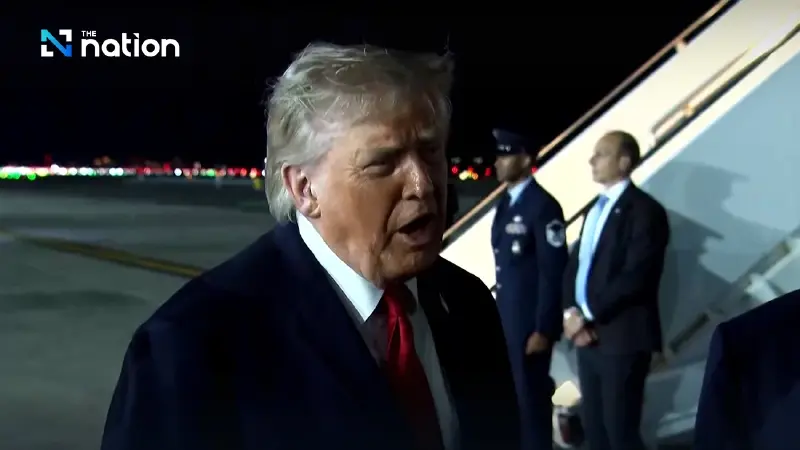


Trump says two US pilots are safe after an Apache helicopter went down near the Strait of Hormuz, as US strikes target Iran
The United States has launched new strikes on Iran after President Donald Trump said Tehran had shot down a US Apache helicopter near the Strait of Hormuz, adding fresh pressure to an already fragile Middle East ceasefire.
Trump said the two American pilots involved in the incident were safe, describing the military response as strong and proportionate. A US official said the helicopter had been brought down by a one-way Iranian attack drone, while the US military said the aircraft went down during a patrol near Oman’s coast.

US Central Command said the two crew members were rescued by a US Navy surface drone about two hours after the incident and were in stable condition. The command did not give a cause for the crash.
The latest US strikes began at 5pm ET on Tuesday, with the US military calling the operation a proportional response to what it described as unjustified Iranian aggression. The strikes targeted several Iranian air-defence and radar systems around the Strait of Hormuz, according to a US official cited by Axios.

Iranian state media reported that Qeshm island in the Strait of Hormuz had been attacked, while a projectile hit was confirmed in the port city of Sirik. Explosions were also reported near Bandar Abbas and later around Jask county, close to the entrance to the strait.
Iran rejected the suggestion that it had carried out offensive air operations in the Strait of Hormuz over the previous 24 hours. Its state media cited a military source as saying Iran would respond decisively to any renewed hostility linked to the helicopter incident.
Foreign Minister Abbas Araghchi said in a post on X that Iran would not leave any attack or threat unanswered. In an earlier message, he warned that foreign forces in the region risked becoming caught in accidents or crossfire, adding that the best way to reduce risk was for them to leave.

The incident has complicated efforts to turn a tentative ceasefire into a broader peace arrangement. Trump has repeatedly said the United States and Iran are close to an agreement, but there have been few clear signs of progress since the ceasefire took effect in early April.
The Strait of Hormuz remains central to the crisis. Before the war, the waterway carried about a fifth of the world’s crude oil and liquefied natural gas. Tehran has continued to block much of the shipping through the strait, while Washington has imposed its own blockade on Iranian ports.
US Energy Secretary Chris Wright said ship traffic through Hormuz was improving, but warned it could take months for energy flows to return to normal after the war ends.
The wider conflict also remained active elsewhere in the region. Israel struck the historic port city of Tyre in southern Lebanon on Tuesday, killing at least eight people, while Iran and Israel exchanged airstrikes earlier in the week.
Trump has said any peace deal must ensure Iran cannot develop a nuclear weapon. Iran’s demands include the lifting of international sanctions, the release of frozen assets and recognition of its control over the strait.


