
Thailand, Myanmar to join hands to resolve border rivers’ arsenic contamination
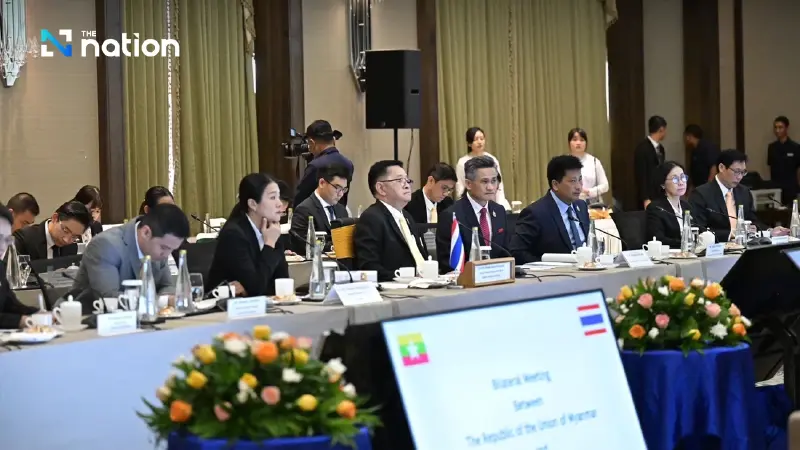


Thailand and Myanmar agree to form a joint panel to tackle arsenic contamination in the Kok and Sai rivers, aiming for sustainable environmental solutions.
Joint Panel Established to Tackle Contamination
Thailand and Myanmar agreed on Wednesday to set up a special panel to jointly tackle contamination in the Kok and Sai rivers that border the two neighbouring countries.
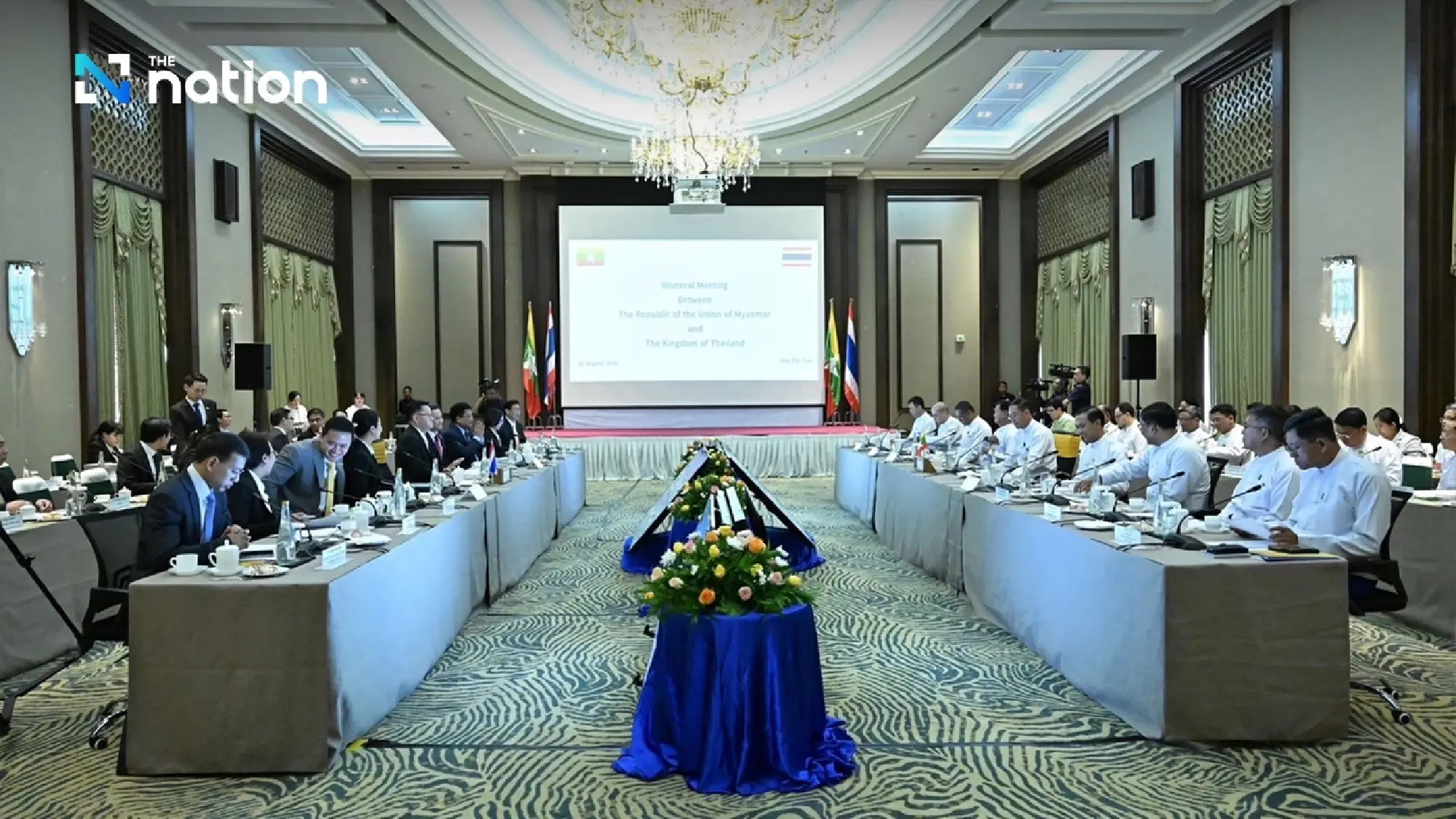
The agreement was reached during a meeting in Naypyidaw between representatives of the two governments.
Thailand, Myanmar Commit to Cooperation on Environmental Issues
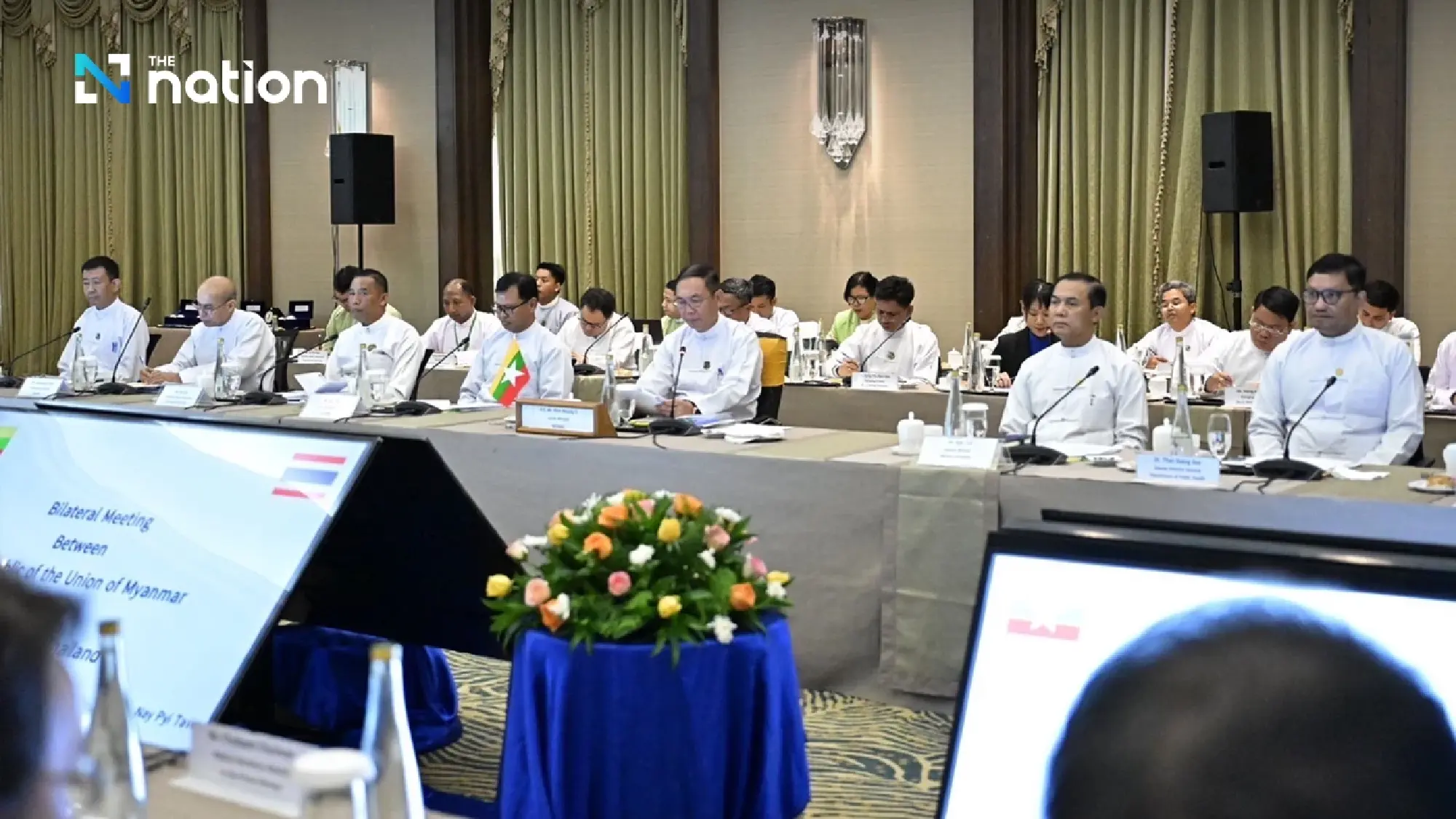
Deputy Prime Minister and Digital Economy and Society Minister Prasert Jantararuangtong led a delegation to Naypyidaw to hold discussions with Myanmar’s Natural Resources and Environmental Conservation Minister U Khin Maung Yi. Prasert’s delegation included Deputy Interior Minister Theerarat Samrejvanich and representatives from other relevant government agencies.
Agreement Focuses on Sustainable Water Management
Speaking to reporters after the meeting, Prasert said the discussions were aimed at finding measures to resolve the river contamination, with tangible and sustainable results based on scientific evidence.

Prasert said the meeting resulted in three resolutions:
- The two countries will closely cooperate as neighbours to address environmental issues and improve the quality of the rivers.
- The two countries agreed to hold more frequent discussions to collaborate and exchange information on water resources management, aiming for sustainable environmental conservation and better understanding.
- The two countries agreed to establish a joint technical working group to foster concrete cooperation on solving river contamination issues.

Contamination Linked to Mining Activities in Shan State
The meeting followed allegations from Thailand that extensive gold and heavy metal mining in Shan State had contaminated the Kok and Sai rivers with hazardous chemicals, particularly arsenic, which is used in metal extraction from raw ore.
During periods of heavy rain or soil erosion from mining activity, these toxic substances are washed into upstream tributaries, eventually flowing into rivers that cross into Thailand, such as the Kok and Sai rivers.

Rivers’ Contamination Affects Local Communities
Prasert added that the meeting also discussed cooperation in promoting environmental awareness and supporting mining technologies that would not harm the environment.
He emphasized that cooperation between the two governments was essential to address the contamination in the Kok and Sai rivers, which had affected the lives of local communities. He said the cooperation would take place at both the local and national government levels.


Collaborative Efforts to Raise Environmental Awareness
Theerarat stated that the contamination of the Kok and Sai rivers had caused concern among the people of both countries, and therefore required cooperation between the two governments to resolve the issue.
She added that if Myanmar shared information about mining activities in its country with Thailand, the cooperation to address the contamination would be swift and effective.

