
China ships arms to Cambodia ahead of July clash with Thailand: NYT
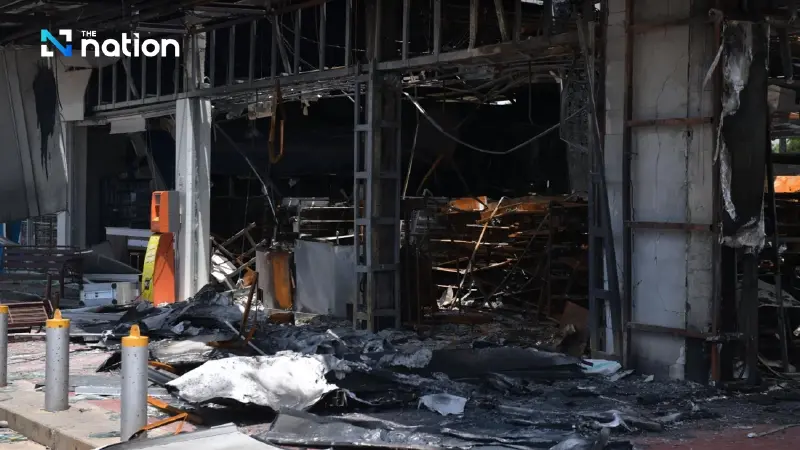


Documents reviewed by The New York Times indicate Chinese military transports delivered rockets, artillery shells and mortars to Cambodia in June, shipments that were later moved north as tensions with Thailand boiled over into July fighting.
A New York Times special report published on September 29, citing Thai intelligence documents, says China pressed Cambodia and Thailand to end border hostilities in July.
Yet the same files indicate that, weeks earlier in June, Chinese military transports delivered rockets and artillery to Cambodia.
According to the documents, several PLA transport aircraft landed in Cambodia over a three-day period, and the munitions were later moved north toward the contested frontier, weeks before the simmering dispute flared into open fighting.
The shipments, flown into Sihanoukville aboard Y-20 cargo jets and packed into some 42 containers, were held at Ream Naval Base before being moved north towards the disputed frontier, the papers say.
The munitions reportedly included ammunition for Soviet-era BM-21 multiple-rocket launchers as well as Chinese multiple-launch systems such as the Type 90B and PHL-03, plus shells for SH-1 self-propelled howitzers and other ordnance.
Independent monitors and human-rights investigators have since identified much of the ordnance used by Cambodian units as Chinese-made, and have blamed some strikes for civilian deaths and damage to non-military sites.
For months before the fighting, Phnom Penh had been strengthening its posture along the boundary around the Preah Vihear temple: building roads, erecting fortifications and constructing a new base east of the shrine.
Satellite imagery analysts and defence specialists say those preparations, coupled with the sudden inflow of ammunition, altered Cambodia’s stance from measured defence to a markedly more assertive posture.
Thailand and Cambodia traded accusations over who started the hostilities. Thailand’s military, which fields a more sophisticated arsenal, launched F-16 air strikes in retaliation. The clashes ended within five days, but not before dozens were killed and hundreds of thousands were displaced, a humanitarian toll that underlined how quickly a local dispute can escalate when heavier weaponry is introduced.
Beijing’s involvement creates an uncomfortable paradox. On one hand, China publicly brokered and pressed for a ceasefire; on the other, the scale and speed of the June deliveries, according to analysts, would likely have required approval high up in the Chinese leadership.
Cambodian officials have described the movements as connected to joint exercises with the People’s Liberation Army, but those drills concluded several weeks before the shipments, a timing that has raised scepticism among outside observers.
The episode highlights a broader regional shift: China has become the dominant supplier of arms to mainland Southeast Asia.
Since 2011, following a previous clash that left Phnom Penh short of ammunition, Cambodia deepened defence ties with Beijing and received large transfers of equipment and aid.
As a result, analysts say, Cambodia entered the latest standoff far better equipped than in earlier confrontations, a material change that helps explain why heavy weapons, rather than small arms, were employed.
Commentators warn that supplying plentiful munitions to a smaller neighbour carries strategic and reputational risks. Arms that enable a partner to press territorial claims can also be used in ways that harm civilians, undermining the supplier’s claim to be an impartial stabiliser.
Human-rights groups have urged China to account for the provenance and use of weapons that struck populated areas.
In short, foreign arms transfers and force modernisation in the months before the clash materially influenced both the tempo and severity of the fighting. The incident serves as a reminder that material support, even if intended as deterrence or balance, can quickly convert a simmering dispute into a destructive confrontation — and leave the patron in the awkward position of both backer and would-be mediator.
