
Govt to discuss border MOUs ending process next week: Sihasak


Thailand plans referendum on ending two border MOUs with Cambodia; public to receive full info and private firms may be compensated.
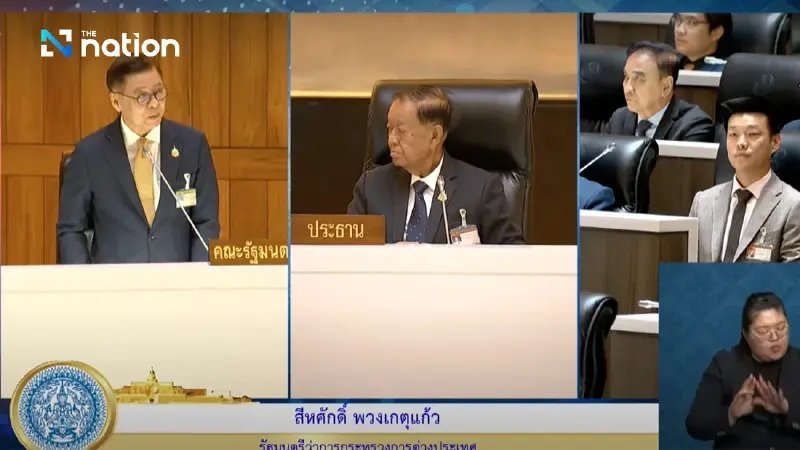
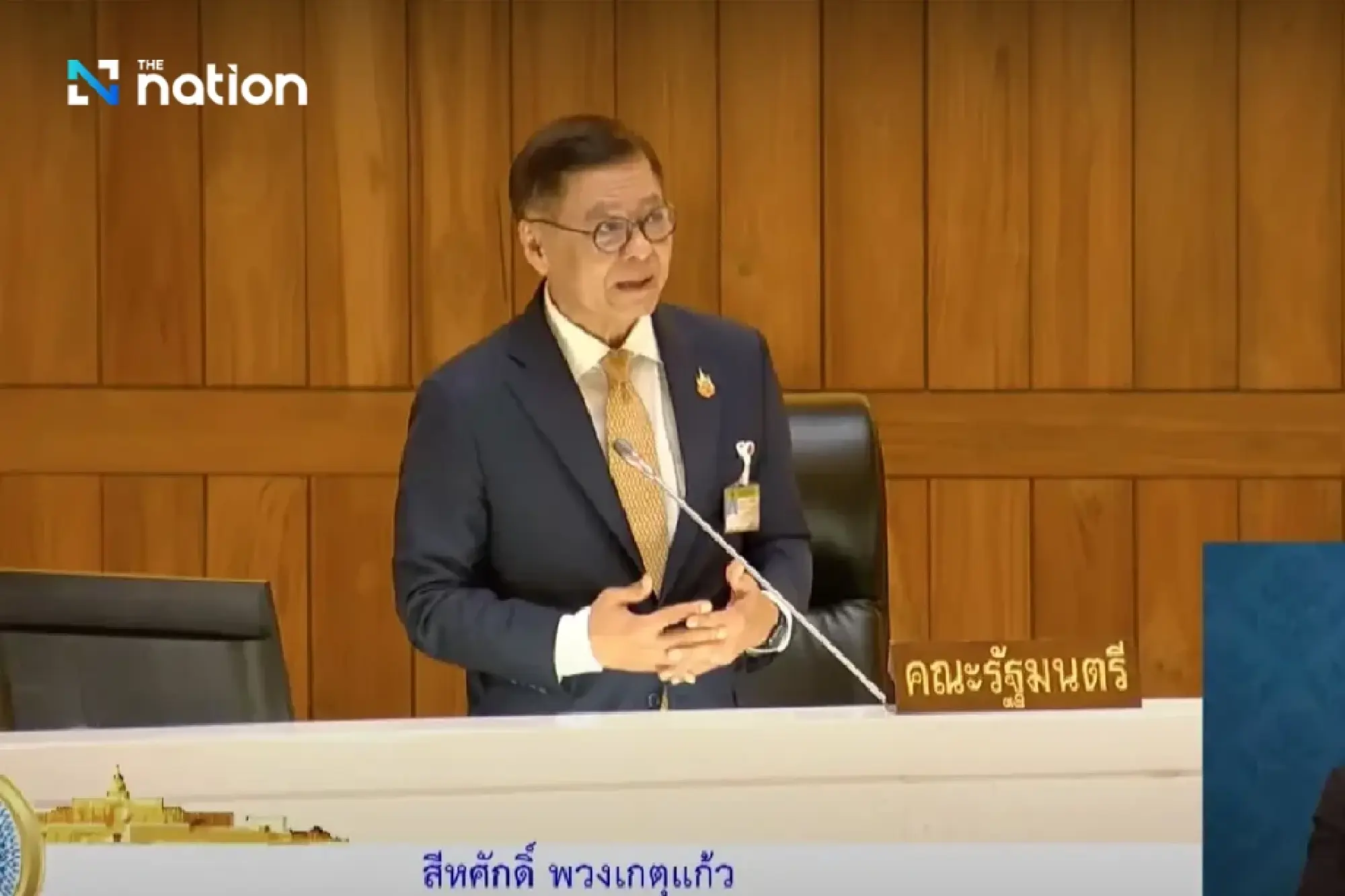
Foreign Minister Sihasak Phuangketkeow said on Thursday that the government will next week review steps for holding a public referendum on ending the two memorandums of understanding (MOUs) with Cambodia on border demarcation.
Referendum planning to end MOU43 and MOU44
Sihasak said Deputy Prime Minister Borwornsak Uwanno will convene a meeting to outline the process for the referendum on whether MOU43 (2000) and MOU44 (2001) should be terminated.
“The useful opinions gathered during the meeting will be taken into consideration,” the foreign minister added.

Opposition raises concerns over public understanding
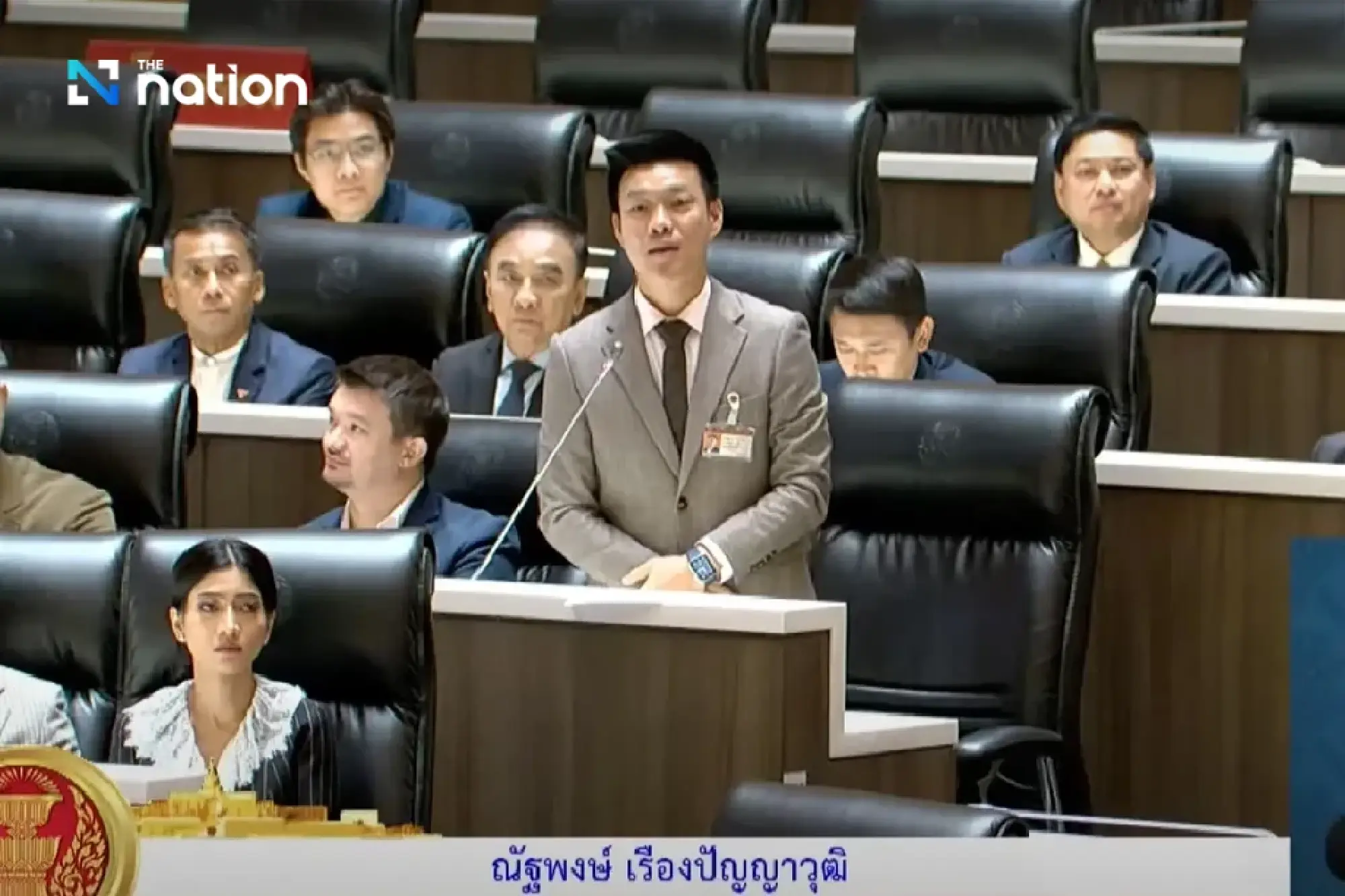
Sihasak was responding to an urgent question from opposition leader Natthaphong Ruengpanyawut during a House session. Natthaphong cited a survey by the National Institute of Development Administration, which found that most people did not fully understand MOU43 and MOU44, although many wanted them ended.
He stressed that a referendum should allow citizens to make decisions based on accurate information and asked how the government would explain the MOUs to the public without revealing sensitive information to Cambodia. Natthaphong also inquired about measures to protect Thailand’s national interests if the MOUs were cancelled.

Potential impact on private firms
Natthaphong raised concerns over the cancellation of MOU44 on disputed overlapping maritime claims in the Gulf of Thailand. He asked whether private firms holding petroleum and gas concessions would be affected and whether they could take legal action against the government.
Sihasak replied that the government aims to gather opinions from all sides before deciding on key foreign policies. He confirmed that citizens would receive full information to make informed decisions in the referendum and that any affected private firms would be compensated.
He added that details of a concrete action plan would be reported to Parliament after next week’s meeting.
Government calls for careful, non‑politicised approach
Sihasak acknowledged that the referendum must be conducted prudently due to the MOUs’ impact on national interests. He reiterated that alternative measures would be considered if the MOUs were cancelled.
When asked again by Natthaphong whether he personally supported ending the MOUs and whether the referendum was the best option, Sihasak stressed that national interest and foreign affairs should not be politicised, as doing so could harm the country. He noted that a final decision would depend on the outcome of the meeting chaired by Borwornsak.
