
OAG source warns Thailand could face torture convention breach over ‘ghost sounds’
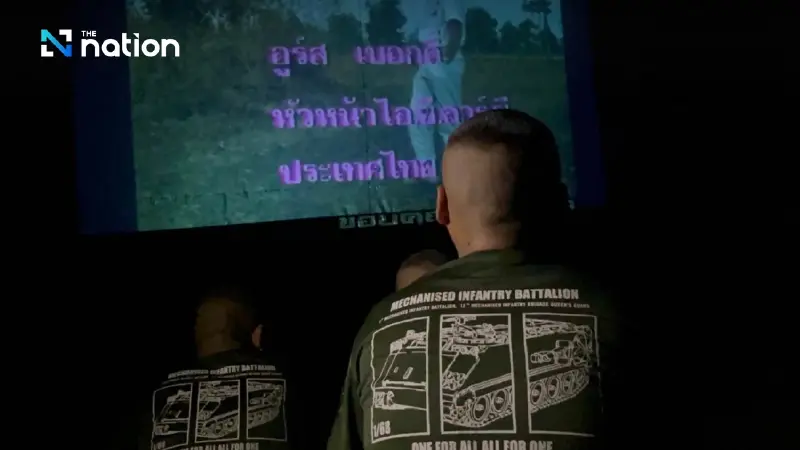


An OAG official warned Thailand could be accused of violating the torture convention after ‘ghost sounds’ were blasted at Cambodian settlers along the Sa Kaeo border.
Concern raised over use of ‘ghost sounds’ at Thai-Cambodian border
A senior official at the Office of the Attorney-General (OAG) warned on Monday that blaring “ghost sounds” through loudspeakers at the Thai-Cambodian border could expose Thailand to accusations of violating the Convention against Torture and Other Cruel, Inhuman or Degrading Treatment or Punishment (CAT).
The OAG official, who requested anonymity due to fear of public backlash, said that playing frightening sound effects — such as ghost movie audio, tank noises and F-16 jet sounds — against Cambodian nationals could be interpreted as violating Thailand’s international obligations under the CAT, which the country has ratified.
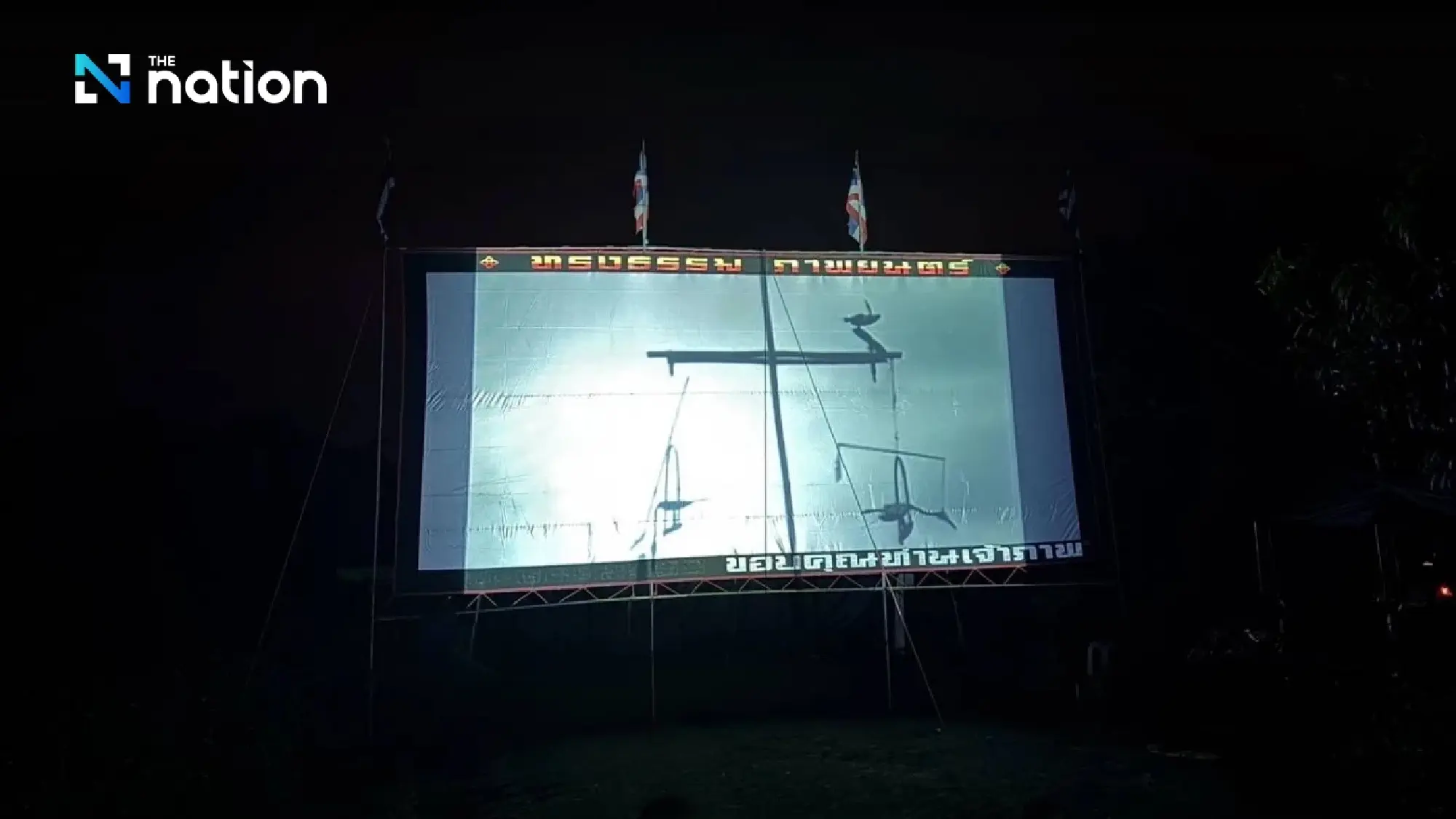

Activist’s ‘sound attack’ campaign draws legal and ethical questions
Social activist Kannathat Pongpaibulwet, known as “Kan the Super Power,” used powerful sound trucks to blast horror and combat effects at two villages in Khok Sung district, Sa Kaeo province, on Friday, Saturday, and Sunday nights.
Kannathat received permission from the First Army Area, which oversees security in the border province, to carry out the campaign. His stated aim was to frighten Cambodian settlers encroaching into Thai territory at Ban Nong Chan and Ban Nong Ya Kaew.
The OAG source said that under Thai law, such actions might only constitute minor criminal offences, and any charges could be dropped at the request of affected parties. However, he noted that it was unlikely any Cambodians would cross the border to file formal complaints.
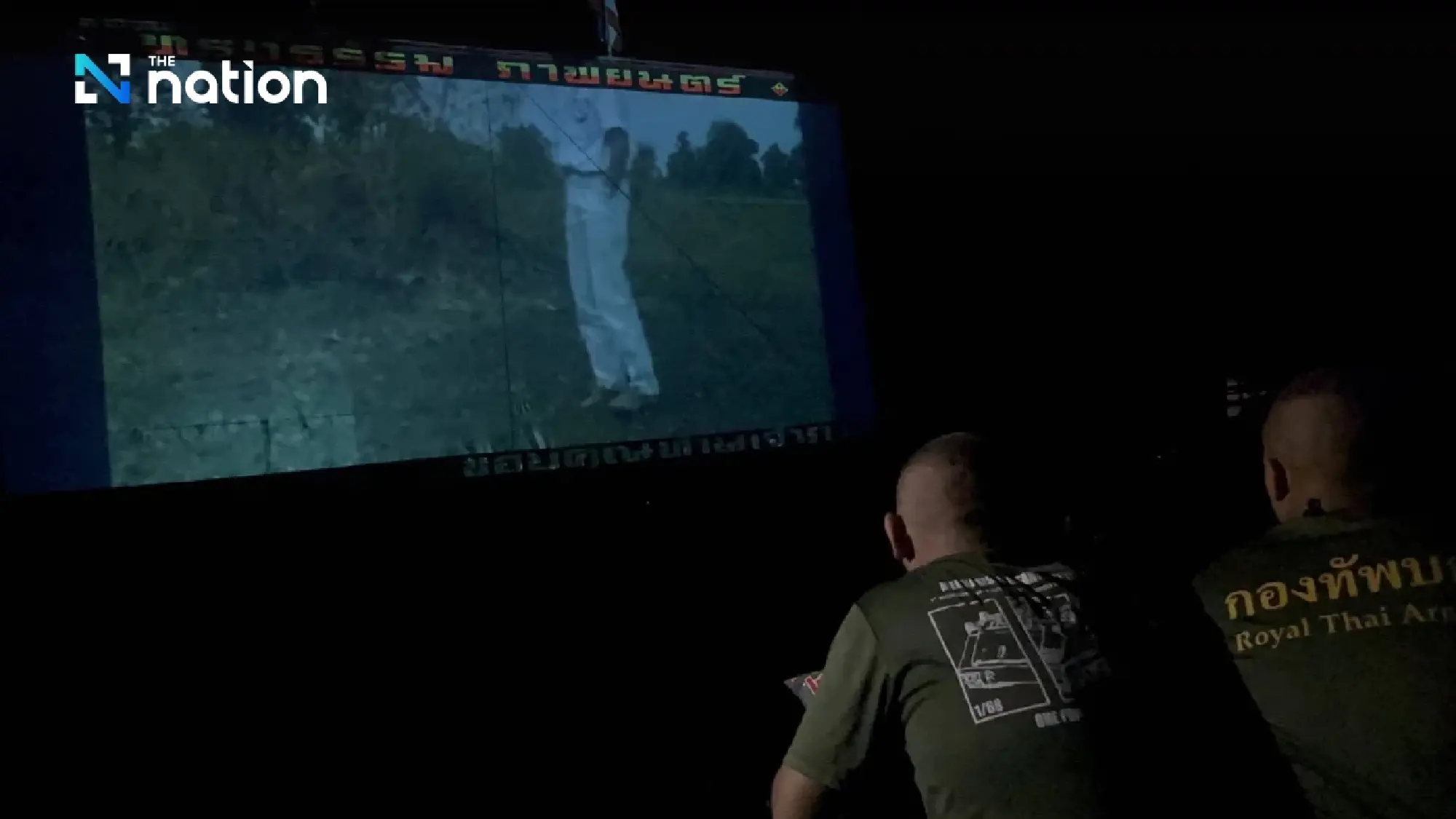

Warning of reputational risk on the international stage
Despite the limited domestic legal implications, the OAG official cautioned that the actions could tarnish Thailand’s reputation internationally if Cambodia or non-governmental organisations were to lodge complaints with international bodies alleging breaches of the CAT.
He agreed with Angkhana Neelapaijit, a human rights advocate, who argued that the actions targeted vulnerable civilians rather than military personnel.
The source added that the claim the sounds were played solely within Thai territory could not be used as a defence, since their effects were clearly felt on the Cambodian side of the border.
“No one dares to warn Kannathat against his actions for fear of public backlash like the one Angkhana faced,” the official said, adding that the military should not permit any civilian actions that might escalate border tensions, which should remain under the responsibility of the armed forces.
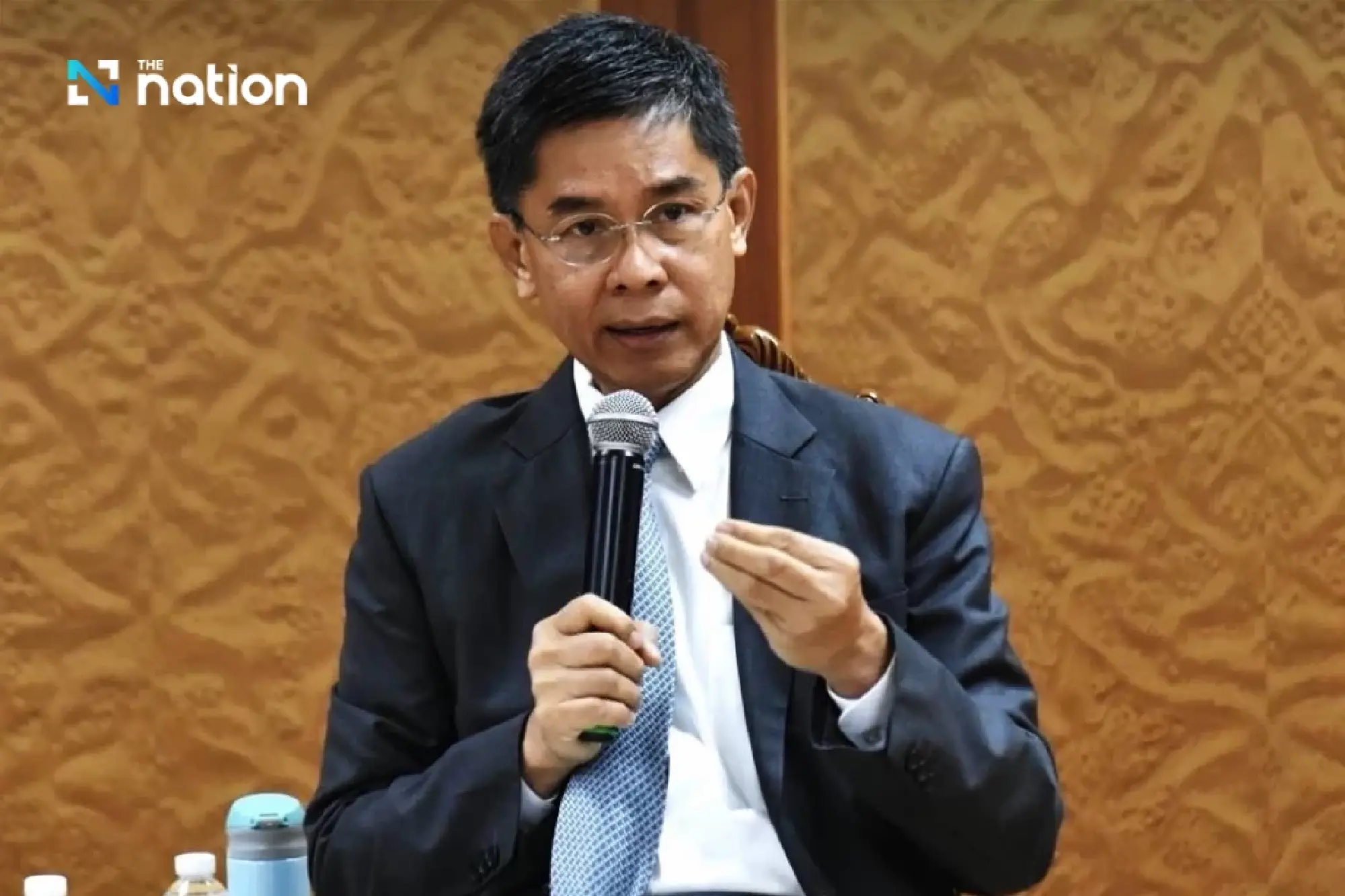

Academic urges caution and international coordination
Assoc Prof Dr Panitharn Wattanayakorn, an expert in international security affairs, said the use of sound effects was less harmful than deploying weapons to repel Cambodian encroachers.
However, he urged Thai authorities to exercise caution and follow three principles:
- Use only international-standard sound devices, such as those employed by police or military forces abroad for crowd control.
- Inform and explain the operation to the international community in advance.
- Ensure that operations are conducted by police units, with military protection in support.
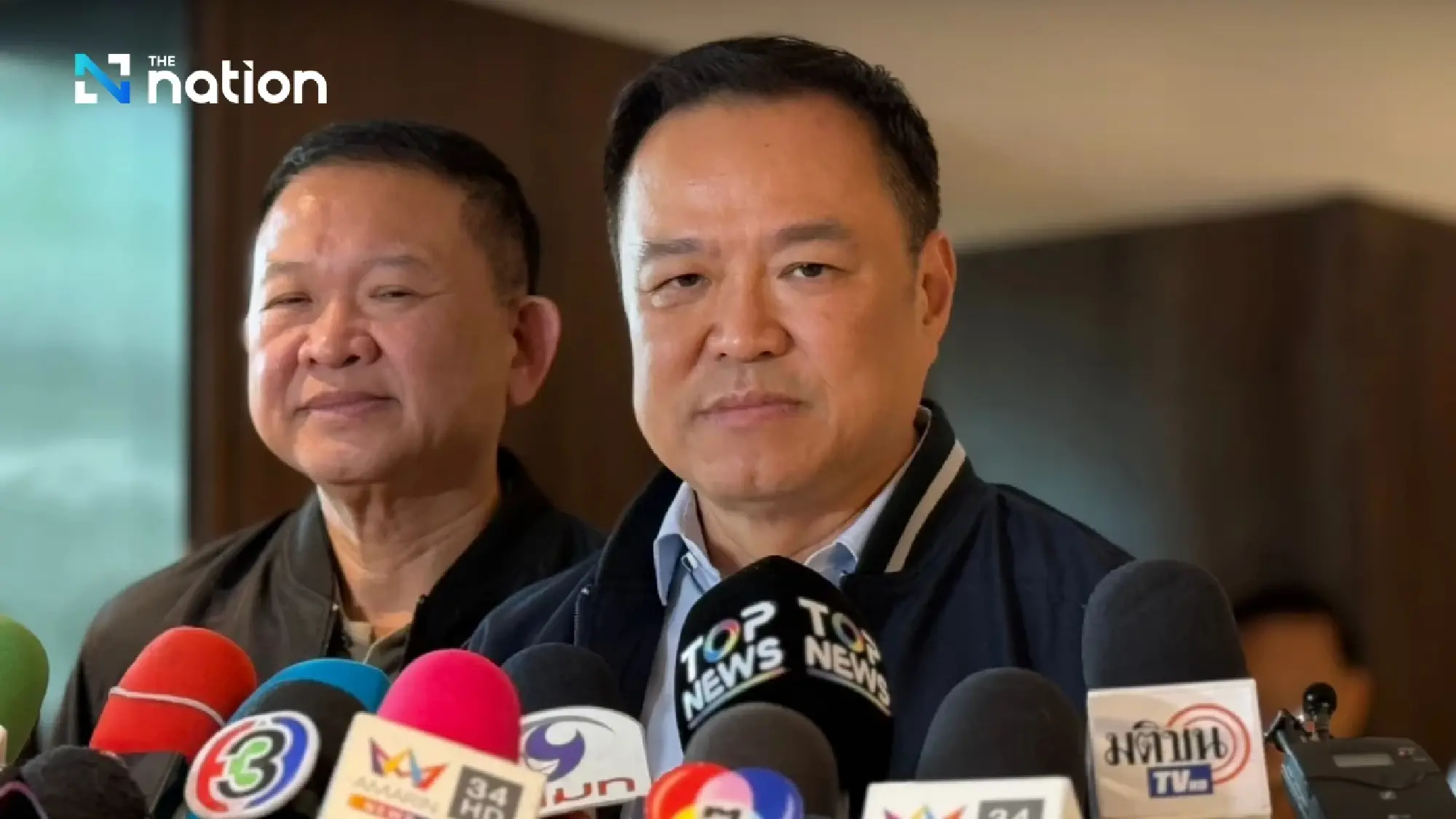

Anutin dismisses human rights concerns
Meanwhile, Prime Minister Anutin Charnvirakul said he did not believe the use of sound effects to deter Cambodians would cause Thailand to lose credibility internationally.
“I don’t think so. We just did it to protect our sovereignty,” Anutin said when asked about Angkhana’s warning that the tactic could violate human rights principles.
Anutin added that the army was responsible for deciding operational measures to handle the border situation, including the use of sound effects and screening of documentary films near the border.
He also dismissed media reports claiming he had clashed with Maj Gen Nat Sri-in, commander of the Second Army Area, calling them “fabricated with malicious intent.”
“I have not met him yet, so it’s not right for the media to report that I criticised those who have been working for the country,” Anutin said.
