
One dead as Typhoon Kalmaegi dumps heavy rains over central Philippines
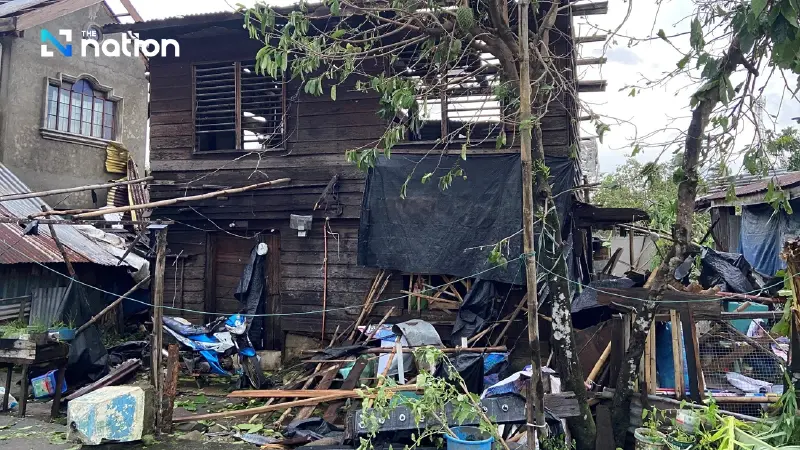


Typhoon Kalmaegi struck the central Philippines on Tuesday, leaving one person dead and forcing tens of thousands to evacuate due to torrential rains, strong winds, and storm surges, according to the national disaster agency.
When it made landfall early on Tuesday, Kalmaegi, locally known as Tino, brought sustained winds of 150 kph, with gusts reaching up to 205 kph. The storm is expected to move across the Visayas islands before heading out over the South China Sea by Wednesday.
The national disaster agency reported widespread evacuations across the Visayas region, as well as parts of southern Luzon and northern Mindanao. One fatality was confirmed. Social media shared alarming footage, including a video from DZRH radio’s Facebook page, showing Talisay City submerged, with only rooftops visible. Similar scenes emerged from Cebu City, where vehicles and streets were inundated.

The cyclone is forecast to move from the Philippines towards the South China Sea and may make a second landfall in Vietnam.
The Philippine Atmospheric, Geophysical and Astronomical Services Administration (PAGASA) stated that the combination of Kalmaegi and a shear line had caused heavy rains and strong winds to affect the Visayas and surrounding areas.
PAGASA further noted that while Kalmaegi may weaken slightly as it interacts with the terrain of the Visayas, it is expected to retain typhoon strength throughout its passage across the country.
Over 160 flights to and from the affected areas were cancelled, while maritime advisories warned vessels to seek safe harbour immediately and remain docked.
PAGASA also issued a warning of "life-threatening and damaging storm surges" of up to 3 meters high, particularly in coastal and low-lying communities in central Philippines, including parts of Mindanao.
This typhoon arrives as the Philippines, which typically experiences around 20 tropical storms each year, is still recovering from recent natural disasters, including earthquakes and extreme weather events. In September, Super Typhoon Ragasa wreaked havoc across northern Luzon, shutting down government operations and schools due to severe winds and heavy rain.
Reuters
