
AirAsia completes Airbus A320 software rollback within 24 hours under EASA directive
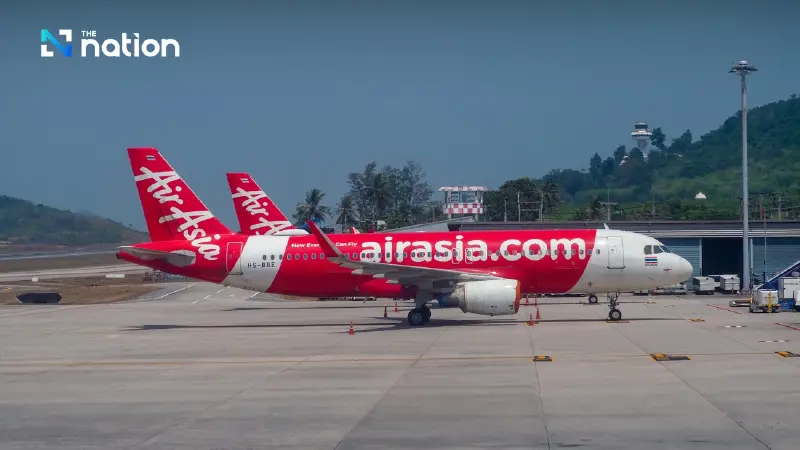


AirAsia has completed the mandatory software rollback for its Airbus A320 fleet within 24 hours, complying with an EASA safety directive issued after a global pitch-down incident.
AirAsia Aviation Group announced on Sunday that it has completed the mandatory software rollback for its Airbus A320 Family fleet, fully complying with the Emergency Airworthiness Directive (EAD) issued by the European Union Aviation Safety Agency (EASA).
Rollback completed within 24 hours across five operating countries
The airline said it began the required preventive maintenance actions—software rollback and replacement—immediately on 29 November 2025, with an initial target of finishing the work within 48 hours.
In a follow-up update, AirAsia confirmed that full compliance across its operational A320 Family fleet was achieved within 24 hours, crediting the round-the-clock efforts of engineering teams in Malaysia, Thailand, the Philippines, Indonesia and Cambodia.

EASA mandate issued after in-flight pitch-down incident
At 8 pm UTC on 28 November—equivalent to approximately 2–4 am on 29 November in Southeast Asia—EASA issued an Emergency Airworthiness Directive requiring a software fix for a significant portion of the global Airbus A320 fleet.
The directive concerns a specific software version used in the Elevator Aileron Computer (ELAC), a critical flight control unit. EASA determined that the software could be susceptible to data corruption caused by intense solar radiation, such as solar flares.
This corruption could trigger an uncommanded elevator movement—a sudden pitch-down without pilot input—which, in extreme cases, may cause the aircraft to exceed structural load limits.
The directive followed a recent incident involving a JetBlue A320 that experienced an uncommanded pitch-down event, later traced to this ELAC software vulnerability.

AirAsia: Safety comes first despite flight disruptions
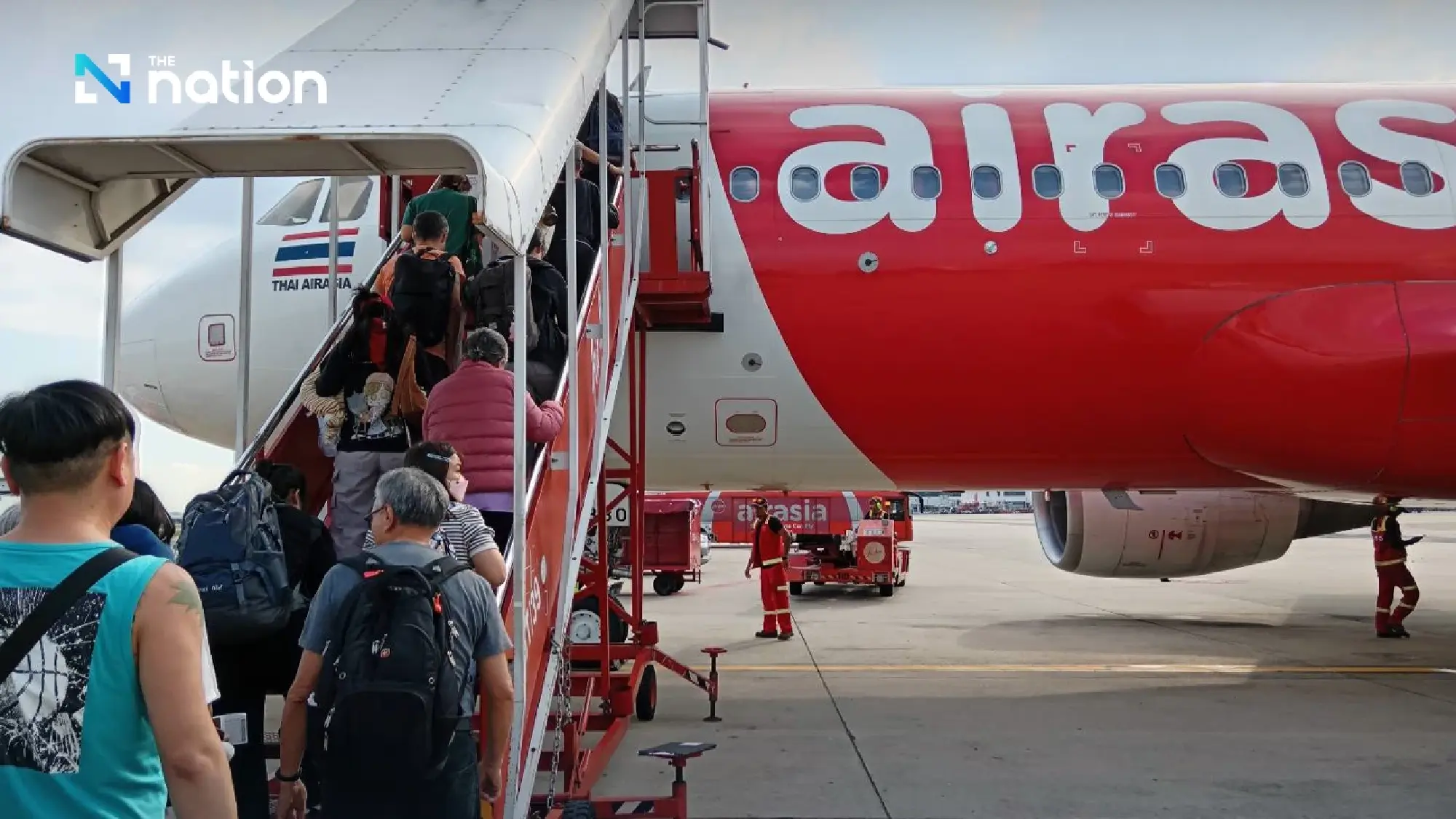
Bo Lingam, Group CEO of AirAsia Aviation Group, said the mandated software actions were critical to maintaining the highest operational safety standards. The airline acknowledged that urgent compliance would lead to temporary flight disruptions and scheduling changes across its network.
AirAsia stated that operations teams were immediately mobilised to minimise inconvenience to passengers, and with compliance now completed, operations have returned to normal.
On Saturday, Bo Lingam said:
“We are taking immediate steps to comply with the Airworthiness Directive and aim to complete the process within the next 48 hours, while ensuring minimal disruption to our guests. These mandated measures are essential in upholding the highest standards of operational safety.”
In a later statement confirming the accelerated completion, he added:
“Safety is core to the trust guests place in us, and our response was immediate and thorough in this regulator-mandated action. Our teams across the region were mobilised at once to meet all engineering, operations, safety and customer experience requirements, so guests experienced as little inconvenience as possible. Thanks to meticulous planning and strong groupwide coordination, compliance work was completed within 24 hours.”
