
Thailand to use ASEAN channel to press neighbours to curb burning
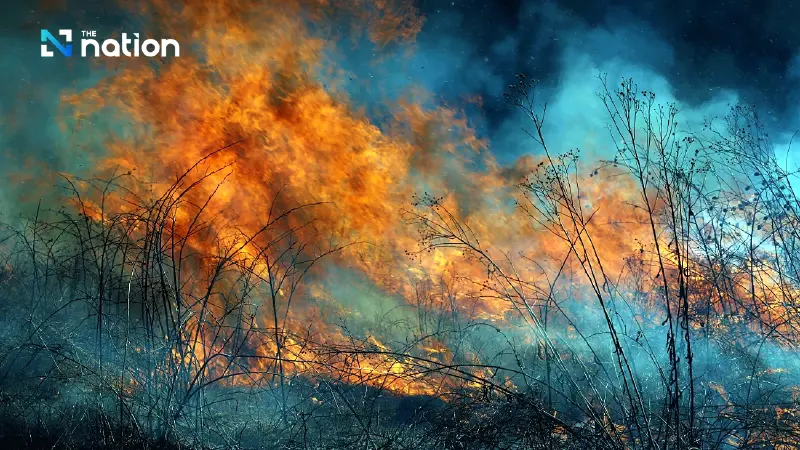


The Pollution Control Department will use ASEAN and direct diplomatic channels to push Myanmar and Laos to cut hotspots as northern Thailand faces worsening haze.
Thailand turns to ASEAN to curb cross-border burning
Thailand’s Pollution Control Department plans to use ASEAN mechanisms to co-ordinate with neighbouring countries in a fresh push to reduce open burning and curb transboundary haze, as northern provinces remain under pressure from worsening PM2.5 pollution.
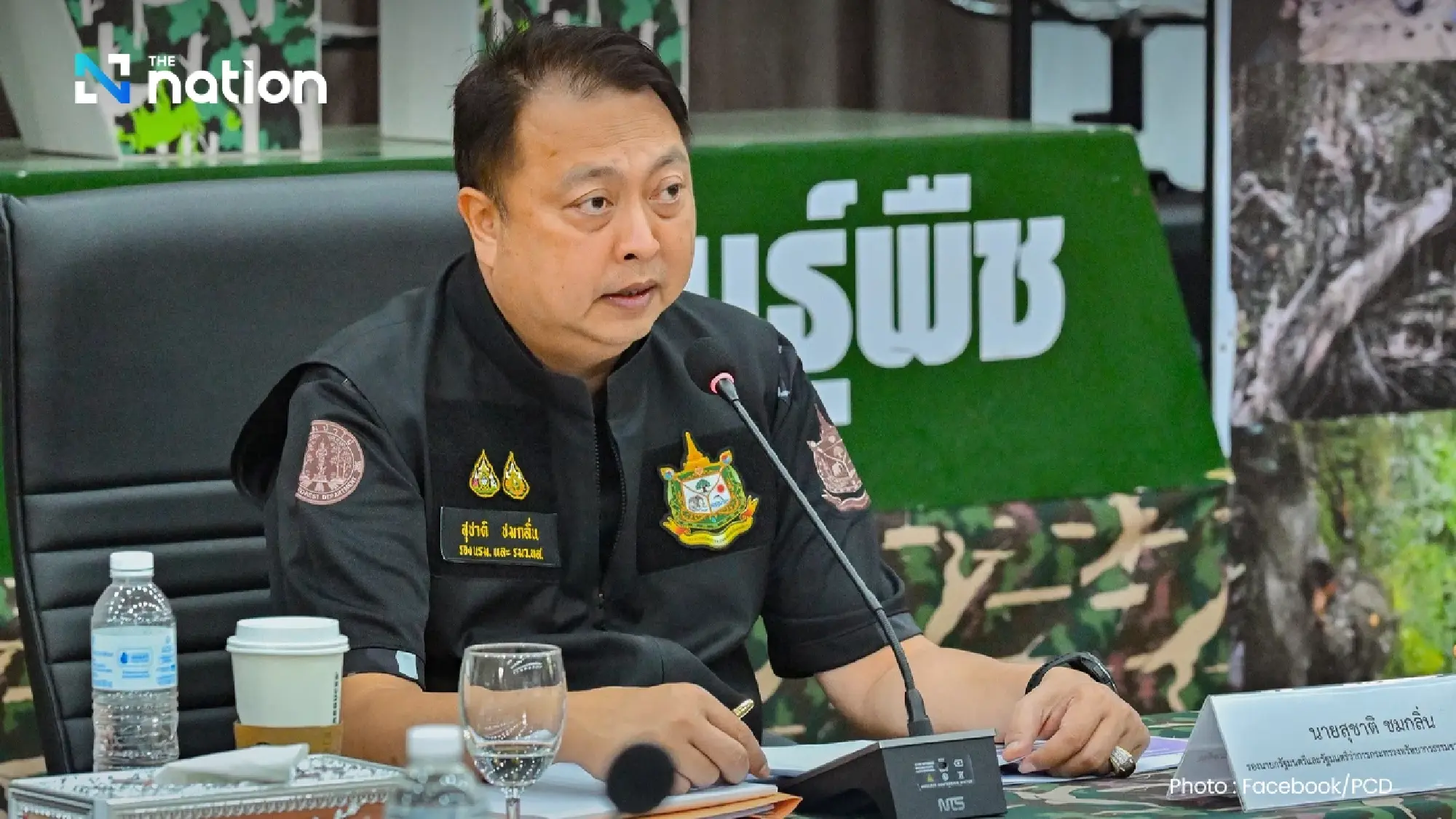
Surin Worakijthamrong, director-general of the Pollution Control Department, said the move followed instructions from Deputy Prime Minister and Natural Resources and Environment Minister Suchart Chomklin. “Following that order, the department has accelerated action on three main fronts,” Surin said, referring to efforts to reduce hotspots across the region.

ASEAN, hotline and diplomacy
Surin said the first channel is ASEAN. The permanent secretary of the Natural Resources and Environment Ministry has already written to the ASEAN secretary-general three times to seek wider regional co-operation on reducing hotspots. The second is direct co-ordination with Myanmar and Laos through a WhatsApp hotline linking senior environmental officials. The third is diplomatic engagement through Thailand’s Department of East Asian Affairs to press neighbouring agencies to act more quickly.
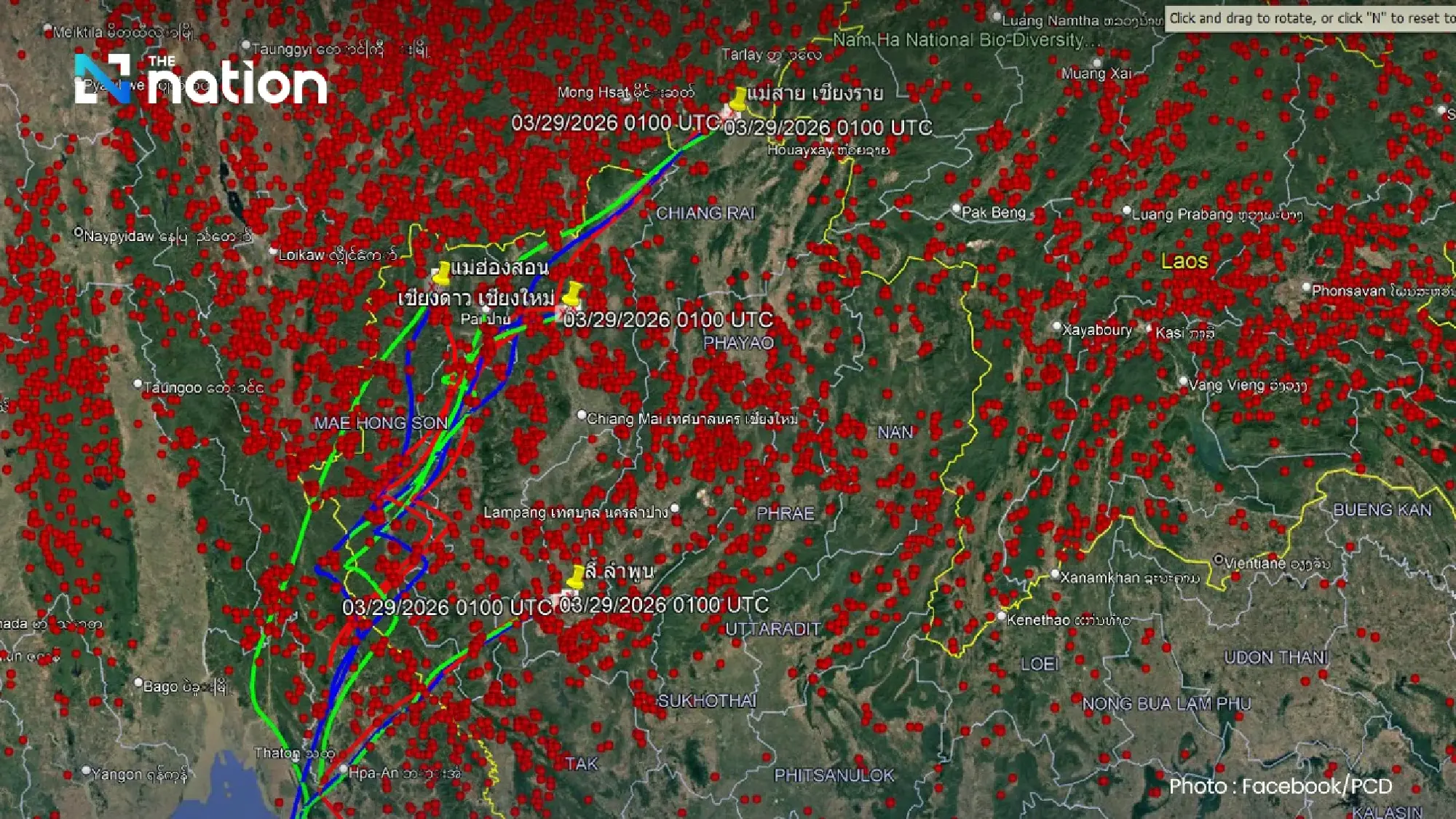
He said the outreach had produced some early results. According to figures released at the briefing, hotspot numbers in Myanmar fell from 10,834 to 5,505, while Laos saw its count drop from 4,157 to 2,704 as of March 30. Even so, officials warned that the next five to seven days could bring less rain and weaker air circulation in northern Thailand, conditions that may keep dust levels elevated if hotspot numbers remain high both at home and across the border.


Forest fires remain at the heart of the haze crisis
The haze problem is seasonal but deeply entrenched. Thai authorities have said PM2.5 pollution typically worsens between November and March, with many of the main sources linked to forest fires, especially in the North and Northeast. That has pushed the issue onto the national agenda and made cross-border co-operation increasingly important.
Thailand, Laos and Myanmar had already moved earlier this year to strengthen that co-operation through a 2026–2027 joint action plan aimed at tackling transboundary haze. The plan includes shared satellite-based hotspot mapping, co-ordinated air-quality reporting and longer-term efforts to reduce slash-and-burn farming, reflecting a shift from short-term firefighting to broader prevention.

Northern Thailand still faces dangerous PM2.5 levels
The latest pollution backdrop remains severe. Northern Thailand is expected to see PM2.5 levels rise through April 5, with several provinces already recording hazardous conditions. On March 29 alone, 2,336 hotspots were detected nationwide, including 1,312 in the North, while nine provinces were placed on red alert, with the highest PM2.5 reading reaching 198.3 micrograms per cubic metre in Lamphun.
That means the government’s latest diplomatic push is not just about cutting fires in neighbouring countries, but also about easing immediate health risks for people in northern Thailand, where officials fear the annual haze season could remain intense unless hotspot numbers fall more sharply across the region.

