
Anutin orders agencies to open up public data in anti-corruption drive
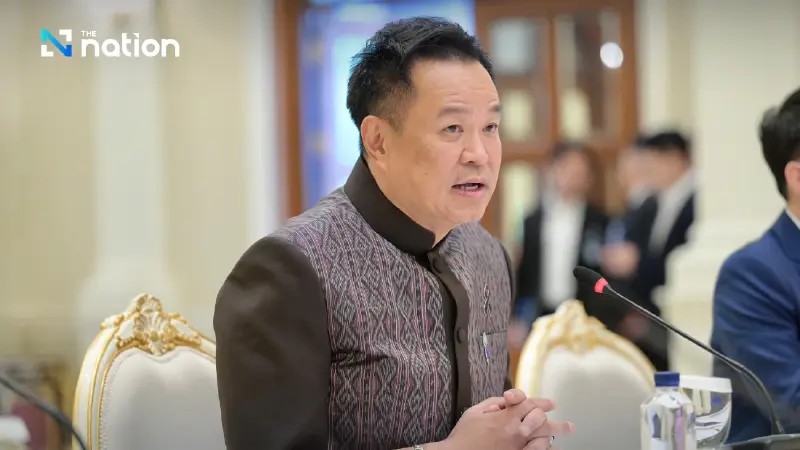


Prime Minister Anutin Charnvirakul orders all state agencies to make public information more transparent as government and private-sector bodies join forces to tackle corruption.
Anutin orders agencies to open data, pursue graft cases in public-private anti-corruption push
Prime Minister and Interior Minister Anutin Charnvirakul on Wednesday ordered all government agencies to make official information more transparent to the public, warning that corruption cases must be pursued through legal channels and backed by evidence rather than left to perception surveys alone.
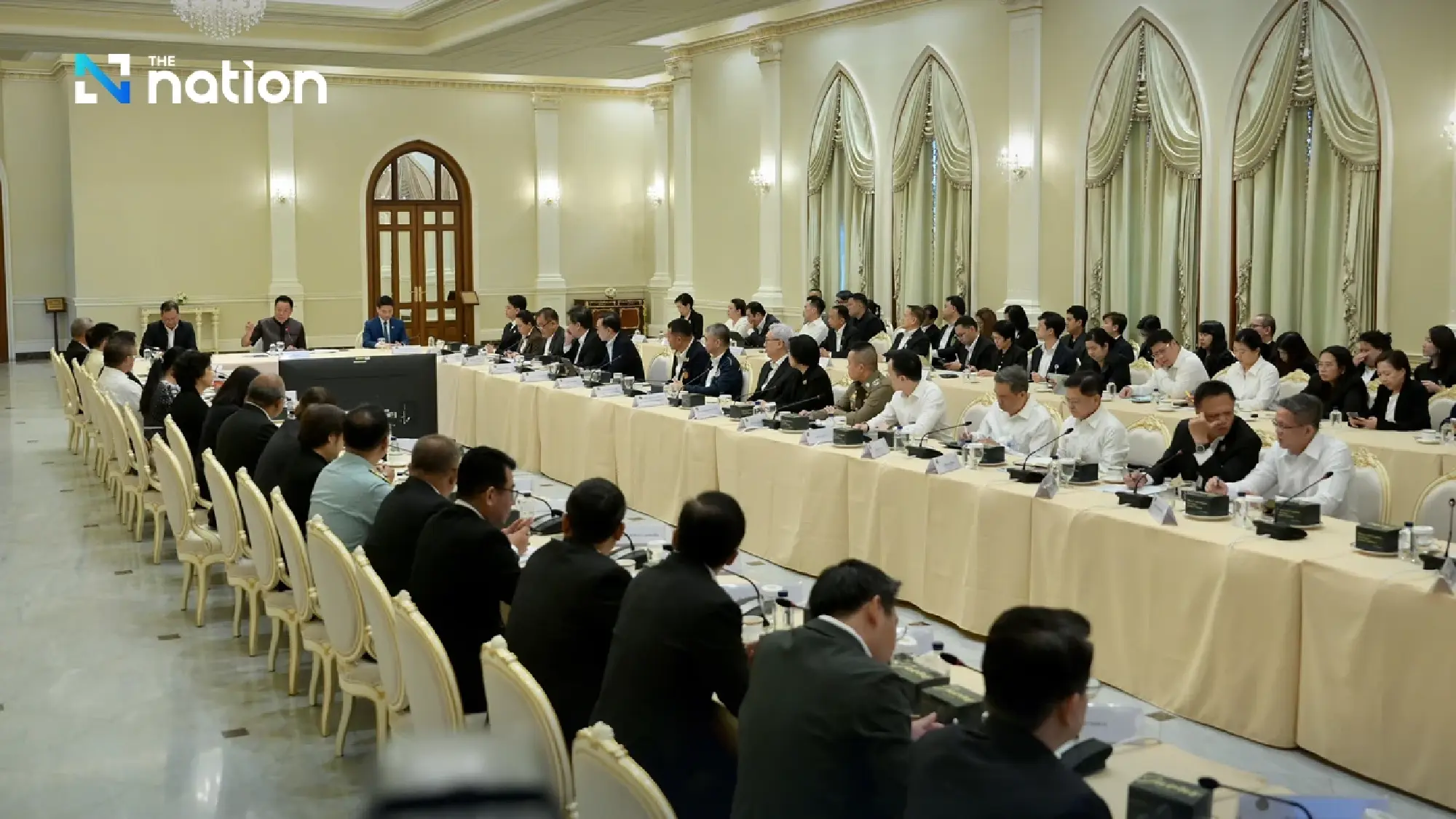
Chairing the first 2026 meeting on public-private cooperation to prevent and suppress corruption, Anutin said the government had taken seriously the concerns raised by the Joint Standing Committee on Commerce, Industry and Banking (JSCCIB), whose latest survey painted a worrying picture of public-sector transparency and business confidence.
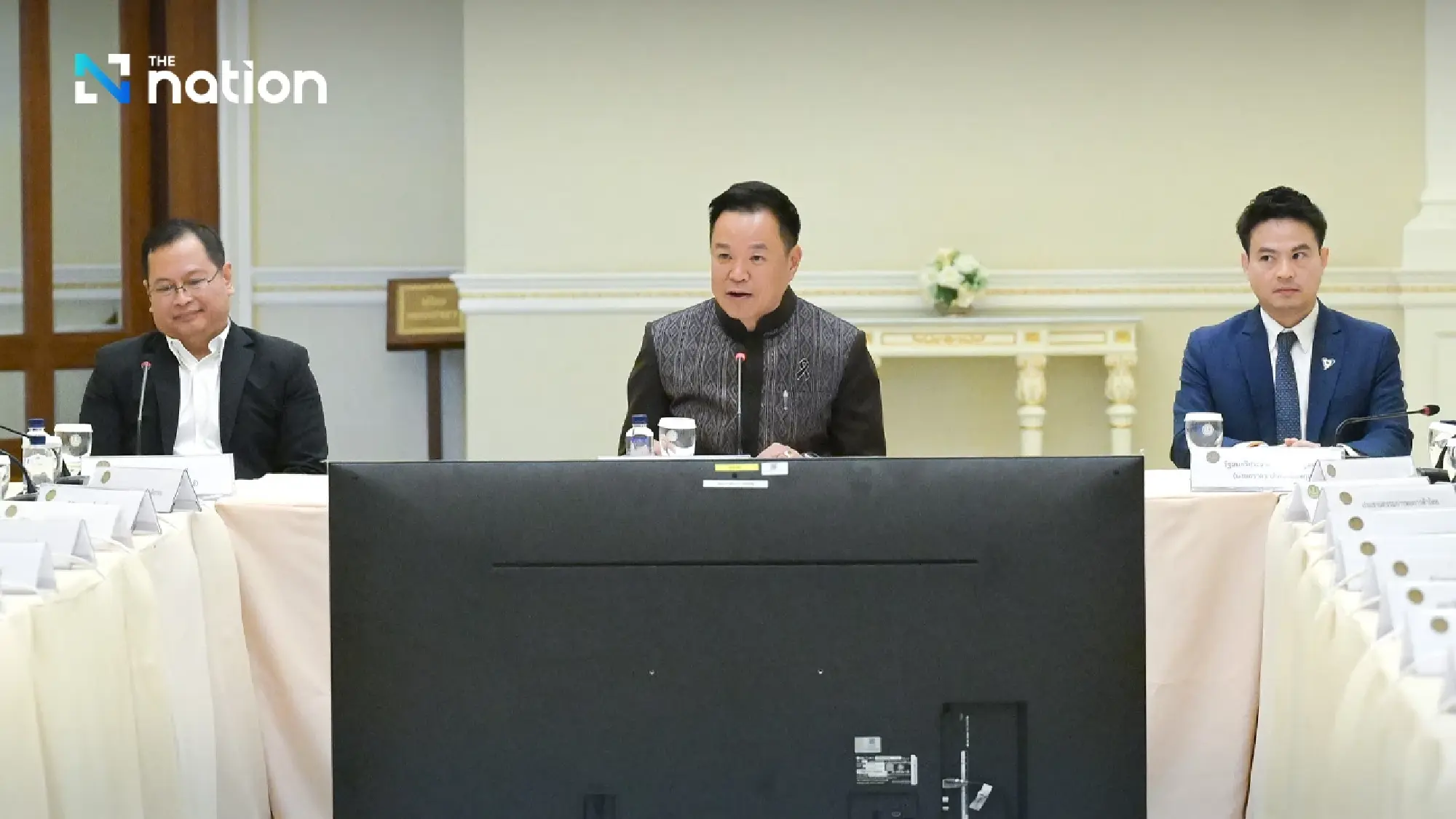
The meeting was attended by senior government figures, including Deputy Prime Minister Pakorn Nilprapunt, Minister Attached to the Prime Minister’s Office Paradorn Pritsananthakul, and Digital Economy and Society Minister Chaichanok Chidchob, as well as representatives from JSCCIB, state agencies and independent organisations.

Transparency ordered across state agencies
Anutin said all state agencies must review every step of their work to ensure transparency, accountability and strict compliance with laws and regulations.
He instructed agencies to disclose operational information to the public “by every possible means”, adding that the government would support the use of modern technology and innovation to improve efficiency and reduce corruption risks.
The prime minister said he had previously experienced the problem from the other side, when requests for information were often met with exceptions, partial disclosure or selective release.
He said existing laws already allowed public disclosure in many areas, and that legal exceptions used to withhold information should be reviewed and amended where necessary.
“There is no need for this hide-and-seek approach — disclosing only what they want people to know and hiding the rest,” Anutin said.
Legal action urged against corrupt officials
Anutin said suspected corruption should not be left merely to public perception or international rankings, but should be dealt with case by case through evidence-based investigations.
He urged anyone with proof that a government official, state agency, minister or even the prime minister was involved in corruption to bring the matter directly to the National Anti-Corruption Commission, the Public Sector Anti-Corruption Commission, the Anti-Money Laundering Office or the relevant supervising authority.
He said corruption cases must be proven through documentary evidence and pursued through legal procedures, adding that those involved in wrongdoing often leave traces that can be checked retrospectively.
The prime minister said he had ordered the establishment of an Anti-Corruption Coordination Committee to work with all sectors on concrete anti-graft measures and to improve Thailand’s standing in the Corruption Perceptions Index, although he said he did not entirely agree with the way the index reflected the country’s situation.

Push to restore international confidence
Anutin said the government was committed to tackling structural corruption by reforming approval and licensing procedures, reducing corruption risks, and accelerating the overhaul of outdated laws.
He said the administration wanted to improve Thailand’s anti-corruption image and credibility among both Thai citizens and the international community.
Thailand’s latest Corruption Perceptions Index score stood at 33 out of 100, with the country ranked 116th globally, according to Transparency International. The score has added pressure on the government to speed up reforms seen as important to investor confidence and Thailand’s international standing.
Anutin said Thailand remained vulnerable in the eyes of countries and investors that believed corruption was widespread, and that the problem had damaging consequences beyond politics.
He said that even as an ordinary citizen, rather than as prime minister, he would still answer “yes” if asked whether corruption existed in Thailand.
JSCCIB survey raised pressure on government
The JSCCIB survey, released on May 14 through its Zero Corruption working group and the “Puean Mai Thon” network, covered 401 business executives and representatives nationwide between March 26 and April 10, 2026. It found that 89.1% of respondents viewed corruption as a moderate to very serious obstacle to business, while 51.2% said corruption had worsened over the past three years. Another 51% said dealing with government agencies had become more complicated, while only 3% said the process had become easier.
The survey also reported that 60.9% of respondents who had applied for permits from state agencies had encountered either implied or direct requests for benefits during their most recent application, while 45.9% said their companies had paid money, gifts or other benefits to officials to facilitate procedures.
For the first time, the JSCCIB survey also released agency-level alleged bribery-risk data, using two indicators: the reported rate of proposed inducements compared with the number of contacts with each agency, and the alleged average bribe value per transaction. The findings were based on private-sector reports and perceptions, and do not constitute legal findings against any agency or official.
