
Indonesia floats Malacca Strait levy, Singapore and Malaysia push back
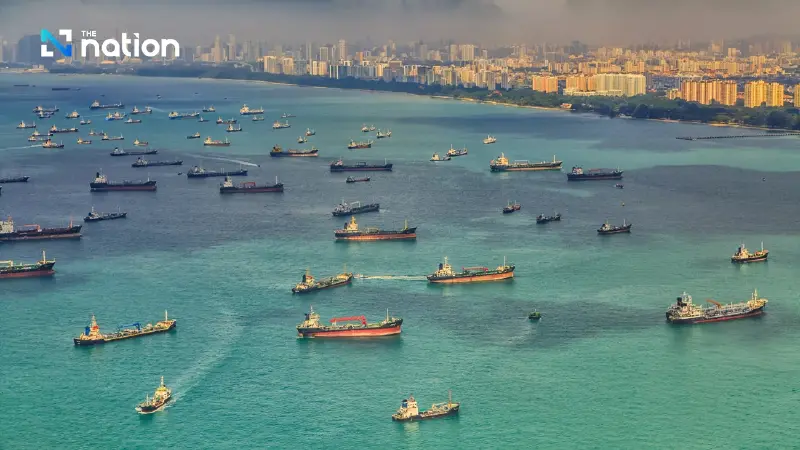


Indonesia raised the idea of charging ships using the Malacca Strait, but Singapore and Malaysia insisted the vital waterway must remain open and free
Indonesia has stirred regional debate after its finance minister floated the idea of charging ships to pass through the Strait of Malacca, drawing a swift response from Singapore and Malaysia, which insisted the crucial maritime corridor must remain open under the principle of freedom of navigation.
According to Channel NewsAsia, Indonesian Finance Minister Purbaya Yudhi Sadewa said the idea of imposing a levy on ships transiting the Malacca Strait was inspired by Iran’s plan to charge vessels passing through the Strait of Hormuz. He raised the issue during a seminar in Jakarta, framing it as part of a broader push to position Indonesia more centrally in global trade and energy routes.
“As instructed by the president, Indonesia is not a marginal country. We sit on a strategic global trade and energy route, yet ships pass through the Malacca Strait without being charged. I am not sure whether that is right or wrong,” Purbaya said, according to the report.
He also suggested that if such a system were introduced and the proceeds shared among the three littoral states, Indonesia, Malaysia and Singapore, the returns could be substantial, adding that Indonesia controls the largest and longest stretch of the strait.
The remarks quickly met resistance. Singapore and Malaysia said the Strait of Malacca must remain open under freedom of navigation.
Their response reflects the sensitivity of any attempt to monetise access to the waterway. The Strait of Malacca is one of the world’s most important maritime chokepoints, linking the Indian and Pacific oceans and carrying a major share of global trade and energy shipments. It is bordered principally by Indonesia, Malaysia and Singapore, and has long operated without transit fees for passing ships.

Later reporting suggested Jakarta was already softening the idea. The Straits Times said Purbaya subsequently downplayed the proposal, citing legal constraints and the importance of global trade, while other reports said he had backed away from any immediate move to monetise the strait. That suggests the comments may have been more exploratory than a firm policy announcement.
Even so, the episode has highlighted how quickly tension around strategic sea lanes can spill beyond the Strait of Hormuz and into Southeast Asia. At a time when global shipping routes are under sharper scrutiny, any suggestion of charging for passage through the Malacca Strait is bound to trigger concern far beyond the region.
