
ASEAN warned of severe transboundary haze risk as El Niño returns



SIIA warns Brunei, Indonesia, Malaysia and Singapore face high transboundary haze risk as El Niño and dry weather raise fire concerns
- The Singapore Institute of International Affairs (SIIA) has issued its highest-level "red" warning for a severe transboundary haze episode in Southeast Asia due to a convergence of risk factors.
- The primary driver is the return of El Niño, along with the Indian Ocean Dipole, creating hotter and drier conditions that increase the likelihood of widespread land and forest fires, especially in August and September.
- Economic pressures, such as higher agricultural costs and rising demand for biofuels, are compounding the risk by potentially encouraging cheaper land-clearing methods like burning.
- The warning specifically highlights a high risk for Brunei, Indonesia, Malaysia, and Singapore, and calls for stronger ASEAN cooperation on fire prevention and sustainable land management.
Southeast Asia could face a severe transboundary haze episode this year, with the Singapore Institute of International Affairs warning that weather, economic pressure and land-use risks are converging at a dangerous moment for the region.
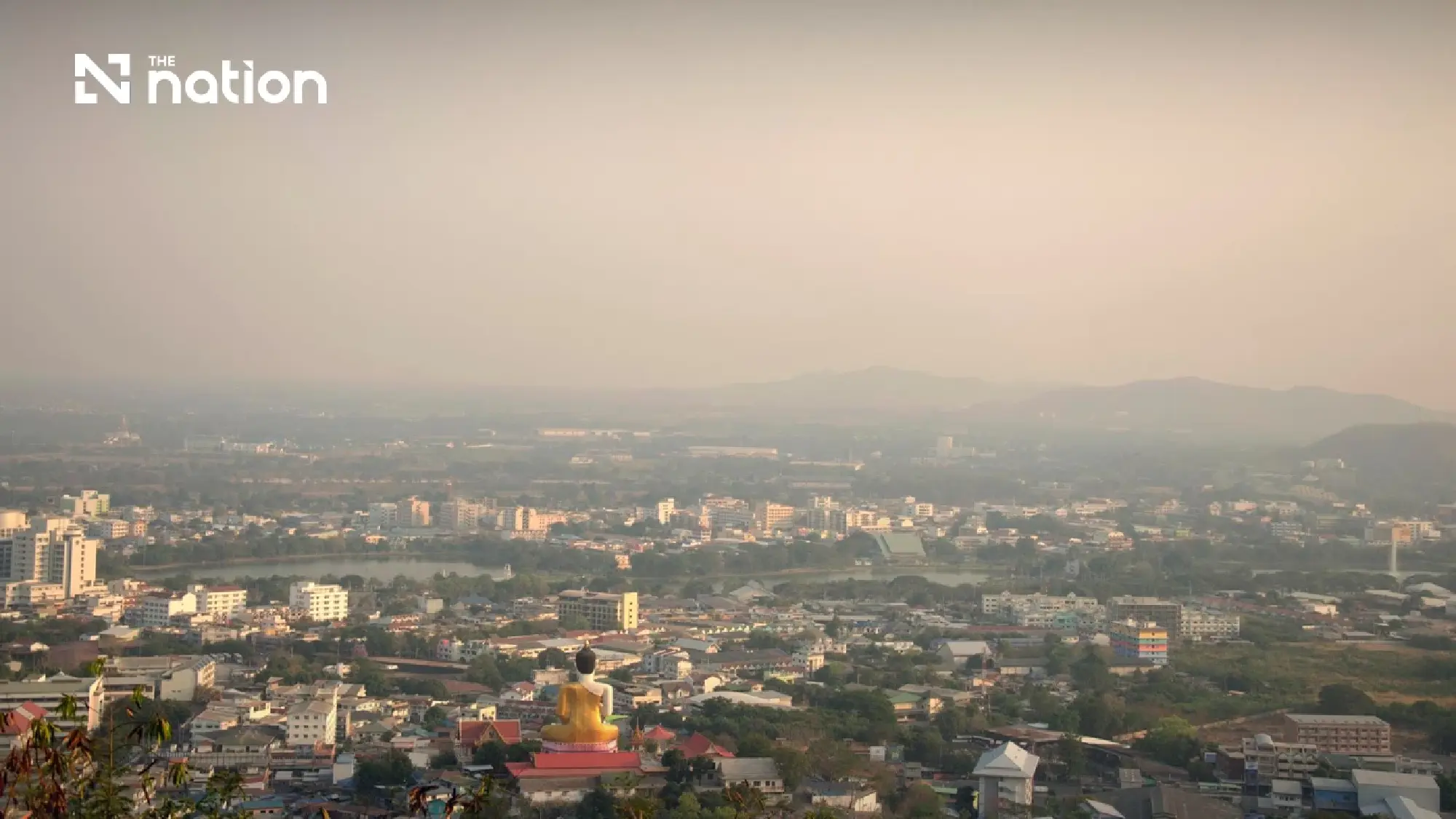
SIIA has raised its Haze Outlook 2026 to red, the highest level on its green, amber and red scale, signalling a high risk of serious haze affecting Brunei, Indonesia, Malaysia and Singapore in the remaining months of the year.

El Niño and dry weather raise fire danger
The institute said August and September would be the peak danger period, as El Niño and the Indian Ocean Dipole could bring hotter and drier conditions that increase the likelihood of forest and land fires spreading across parts of Southeast Asia.
The 2026 warning is only the second red rating issued since SIIA began publishing its annual haze outlook in 2019. The previous red assessment came in 2023, when the region again faced significant haze incidents linked to dry weather and fire activity.
While haze is often associated with illegal burning in forests and peatland areas, SIIA said this year’s risk is not being driven by climate alone. The report also points to economic uncertainty, higher agricultural production costs, rising demand for biofuels and pressure on land-use sectors.
SIIA chairman Simon Tay said the forecasts pointed to a severe dry season, but warned against treating the outcome as unavoidable.
“The forecasts warn of a severe dry season, but we must not be fatalistic. There is much that can be done to prevent the worst and strengthen climate resilience, energy and food security, and regional cooperation,” he said.

Farming costs and biofuel demand add pressure
The report said fire prevention and sustainable land management would face a major stress test this year, especially if smaller producers come under tighter cost pressure. Higher fuel and fertiliser costs could make some farmers more vulnerable, while demand for agricultural commodities and biofuel crops may increase pressure to convert land.
Yu Leng Khor, associate director at SIIA, said disruptions linked to the Strait of Hormuz had added to cost pressures for fuel and fertiliser. Large industries such as palm oil may be able to absorb some of the impact, but food-crop producers face a more difficult situation.
“The fuel crisis is also driving demand for biofuels, with Southeast Asian countries increasing the percentage of vegetable oil in diesel at the pump,” she said.
The concern is that higher long-term demand for biofuel feedstocks could encourage further land conversion in Indonesia, Malaysia and Thailand. If not properly managed, this could increase the risk that some small and medium-sized operators turn to burning as a cheaper way to clear land.
Past haze crises show economic cost
Weather remains the biggest immediate threat. SIIA said the most severe haze episodes in the past tended to occur when a strong El Niño coincided with a positive Indian Ocean Dipole, as seen during major haze years including 1997 and 2015.
Aaron Choo, SIIA’s senior assistant director for special projects and sustainability, said this year’s main haze risk came from the weather, noting that severe dry conditions could make fires harder to contain.
The report also recalled the heavy economic cost of past haze crises. The 1997 to 1998 haze caused an estimated US$9.3 billion in losses across Southeast Asia, while the 2015 episode caused about US$16.1 billion in losses in Indonesia alone.
ASEAN urged to strengthen prevention
Despite the warning, SIIA said the region is not without tools to reduce the damage. Indonesia has strengthened its institutional response to forest and land fires, including a new inter-agency Forest and Land Fire Coordination Desk, while major companies have expanded fire prevention and sustainability efforts.
SIIA said ASEAN cooperation would be crucial as the region enters a potentially severe dry season. It called for stronger implementation of existing commitments, more funding for haze prevention and closer collaboration among governments, companies, investors, civil society groups and local communities.
The institute also highlighted the role of the ASEAN Coordinating Centre for Transboundary Haze Pollution Control and the ASEAN Specialised Meteorological Centre in supporting regional preparedness.
Tay said ASEAN needed to take greater ownership of the problem as climate risks deepen.
“Supporting solutions with adequate funding will be critical,” he said.
SIIA said the 2026 haze outlook should be treated not only as an environmental warning, but also as a test of whether Southeast Asia can protect public health, livelihoods, ecosystems and regional cooperation at the same time.
