
Thailand urges ASEAN food and energy cooperation after Sept 19–20 talks



Thailand sees scope for ASEAN to become a global food production base, with closer public–private cooperation and supply-chain investment.
- Following the ASEAN Economic Ministers’ Meeting on September 19–20, Thailand urged member nations to increase cooperation on food and energy.
- The call for collaboration is driven by concerns that volatile energy markets and climate change threaten regional food security and could increase inflation.
- Thailand's Commerce Minister stated that closer cooperation could help ASEAN become a global food production base and improve the region's resilience to future risks.
- Proposals from the talks included investing in regional food supply chains and creating mechanisms to better connect governments, businesses, and producers.
Deputy Prime Minister and Commerce Minister Suphajee Suthumpun has called for stronger food and energy cooperation across the Association of Southeast Asian Nations (ASEAN), warning that volatile energy markets and climate change could increase inflationary pressure and threaten food security. Speaking after the 58th ASEAN Economic Ministers’ Meeting and related meetings in Manila, the Philippines, on September 19–20, 2026, Suphajee said the region had the potential to become a global production base for food and high-value agricultural products.
Suphajee said energy-market volatility and climate change were affecting agricultural output and raw material supplies. Closer cooperation on food and energy, alongside measures to strengthen economic resilience, would help the region prepare for future risks, Suphajee said.
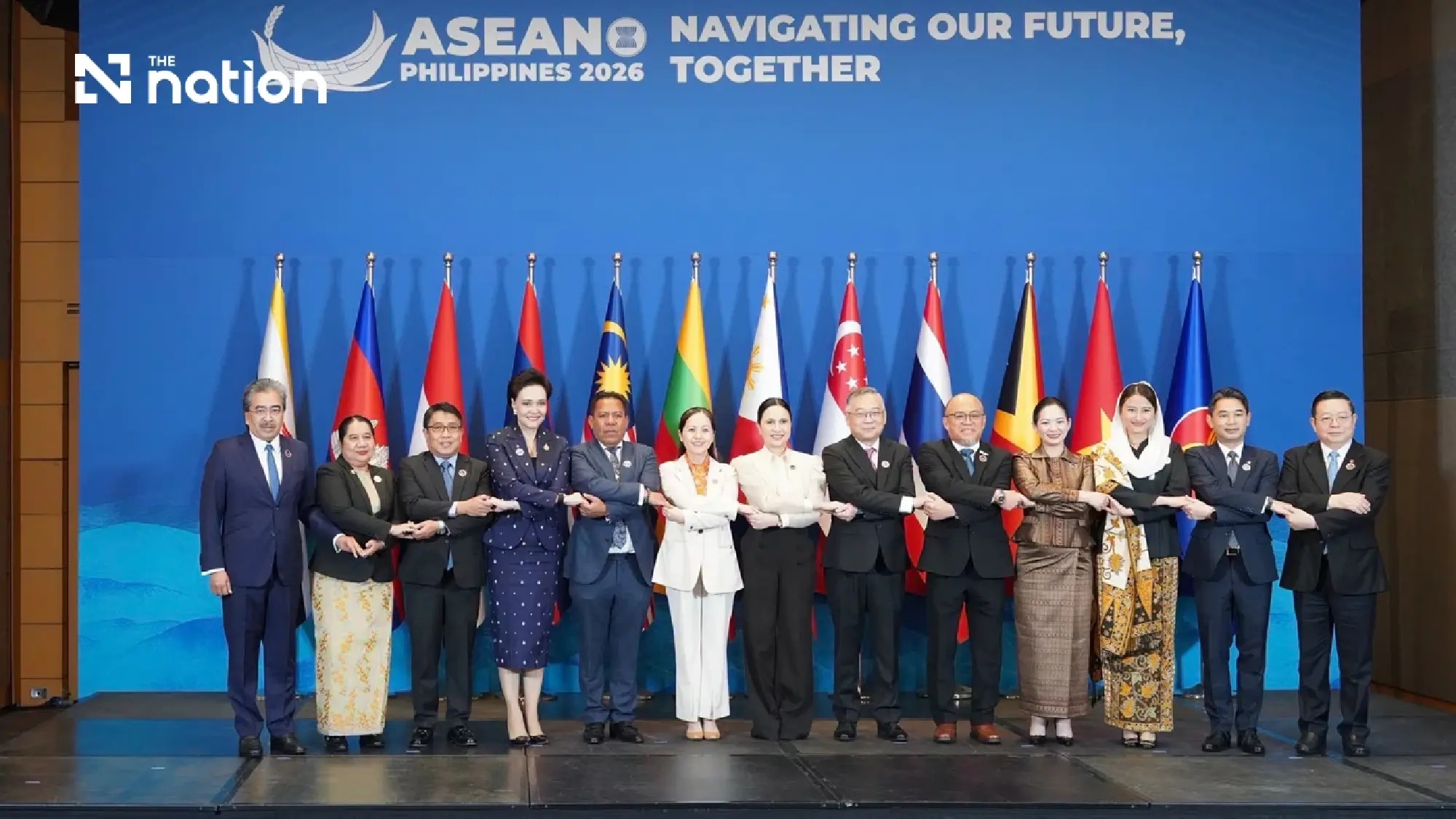

ASEAN food-security talks focus on investment and coordination
Food security also featured in discussions with the ASEAN Business Advisory Council (ASEAN-BAC), Suphajee said. Proposals included mechanisms to connect governments, businesses and producers, together with investment to strengthen regional food supply chains and their ability to withstand disruption.
Thailand sees opportunities to draw on ASEAN members’ different strengths in agriculture, industry, business and services, technology and innovation, and energy resources, according to Suphajee. These capabilities could improve the region’s competitiveness while enabling member states to support one another during crises.
ASEAN’s economy expanded by 4.9% in 2025 and is projected to grow by 4.5% in 2026. Suphajee identified intra-regional trade and investment as important drivers of growth despite tariff measures and volatile energy prices.
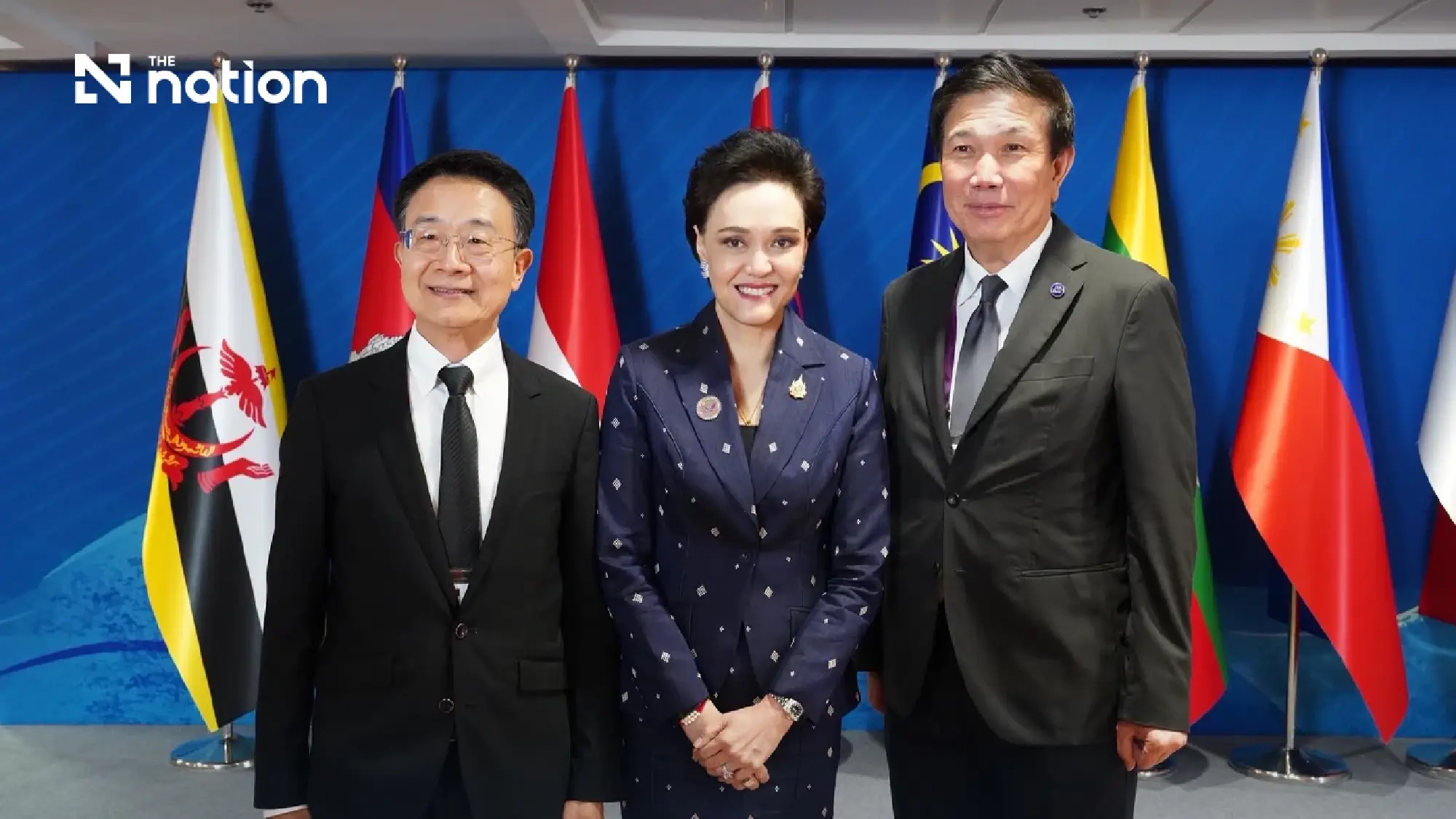

ASEAN advances more than 30 economic initiatives
Suphajee said ASEAN had made progress on more than 30 major economic initiatives in 2026 to support longer-term growth and competitiveness. These included developing a roadmap for a draft strategic framework on semiconductors, intended to promote the industry and attract investment into the region.
Suphajee also highlighted the conclusion of negotiations on the ASEAN Digital Economy Framework Agreement (DEFA) on May 29, 2026. Thailand chaired the negotiating committee, helping advance the talks and coordinate member states’ positions until an agreement was reached.
ASEAN is also working to accelerate the entry into force of the upgraded ASEAN Trade in Goods Agreement (ATIGA), Suphajee said. The regional agenda includes efforts to conclude negotiations on the review of the ASEAN–India Trade in Goods Agreement and the proposed ASEAN–Canada Free Trade Agreement.
Suphajee said the negotiations with India and Canada were intended to open market opportunities and strengthen supply chains with two strategically important trading partners. The results of ASEAN’s economic work are being prepared for presentation to regional leaders in November 2026.
ASEAN plans cooperation with 14 partners and groupings
Suphajee said Thailand had participated in planning ASEAN cooperation with 14 partners and groupings: China, Hong Kong, Japan, South Korea, India, ASEAN Plus Three, ASEAN Plus Eight, Australia–New Zealand, Canada, Russia, the European Union, Switzerland, the United Kingdom and the United States.
The discussions with ASEAN’s partners focused on extending cooperation into new areas with economic potential, Suphajee said. The aim was to improve competitiveness and expand trade and investment between the region and its partners.
Thailand signs Hong Kong investment protocol
Thailand also joined the signing of the First Protocol to Amend the ASEAN–Hong Kong Investment Agreement (AHKIA) during the Manila meetings. Suphajee said Thailand had served as the lead coordinator of the negotiations, which concluded on March 20, 2026.
The protocol builds on the existing investment agreement by extending its coverage of mutual investment market access, Suphajee said. The changes are intended to strengthen investor confidence and facilitate investment into ASEAN, with Thailand expected to benefit from attracting quality investment and expanding investment opportunities in Hong Kong.
