
Wat Phra Bat Nam Phu ordered to cremate 20 preserved AIDS victims’ bodies
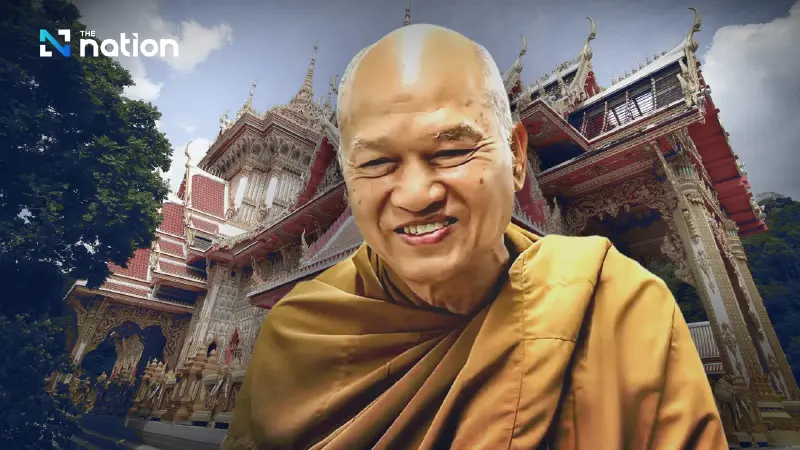


Health ministry orders Wat Phra Bat Nam Phu to cremate 20 preserved AIDS victims’ bodies amid controversy over donations and hospice practices.
Health ministry orders cremation of preserved bodies
The controversial Wat Phra Bat Nam Phu in Lop Buri was on Thursday ordered to cremate 20 bodies of AIDS victims that had been preserved for decades and displayed for temple visitors as part of “dharma learning.”
The order was issued by Dr Thanakrit Jitareerat, secretary to the public health minister, who led officials from the Department of Health and other agencies to inspect the temple’s activities in Mueang district.
Preserved bodies kept in temple pavilion
Thanakrit said the 20 bodies belonged to patients who had died of AIDS at the temple’s HIV/AIDS hospice. They had been kept for decades in the temple’s museum building, known as the Sala Dharma Sangvej (Pavilion for Contemplating the Truth of Life).

He said he informed the temple’s abbot, Luang Por Alongkot, who resigned earlier this week, that displaying the bodies was inappropriate and posed potential health risks. The abbot reportedly promised to cremate the bodies as soon as possible.
Abbot defends practice as “lesson on truth of life”
According to Thanakrit, the monk explained that he had preserved the bodies to remind the public of the dangers of AIDS and to encourage Buddhists to contemplate the truth of life. He added that the abbot claimed he was unaware the practice was illegal.
Temple faces multiple controversies
The inspection followed mounting controversies surrounding the temple. Alongkot has faced accusations of mismanaging public donations, including allowing solicitors to deduct portions of donations and diverting funds meant for HIV/AIDS patients toward land purchases and non-monastic activities.

Former volunteers and medical staff also alleged that the temple was reluctant to adopt modern HIV treatments such as antiretroviral (ARV) drugs. Patients were sometimes reportedly kept in poor conditions to elicit sympathy and boost donations. Critics have also condemned the practice of displaying mummified corpses and bones of deceased patients as exploitative fundraising.
Hospice operations to be improved
Thanakrit said he instructed the abbot to improve hospice operations and to properly manage the supply of antiviral drugs provided by Lop Buri provincial hospital. The monk agreed to comply with the ministry’s instructions.
“After I spoke with him, he still expressed a desire to continue caring for patients and people, although he appeared concerned by the many issues surrounding him,” Thanakrit said.
Temple’s marijuana plantation passes inspection
The inspection also covered a marijuana plantation operated on temple land by a licensed company for medical purposes. Thanakrit confirmed that the plantation complied with legal requirements and operated with proper authorisation.
