
Sophon assures Bangkok will not face massive floods like in 2011
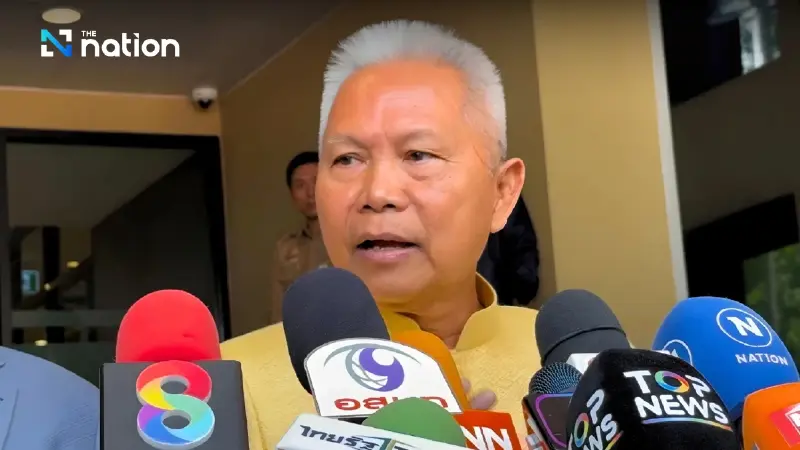


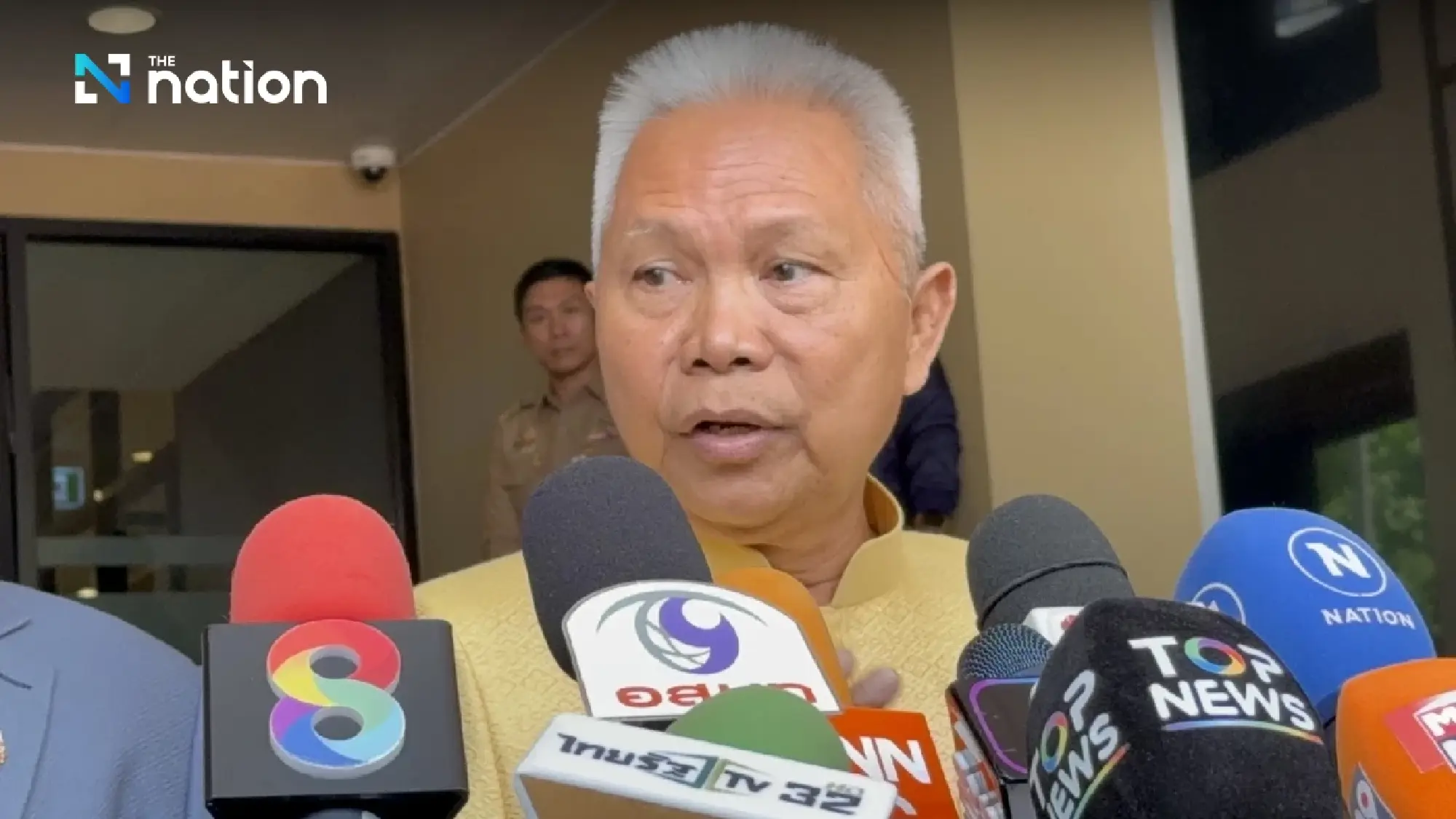
Deputy PM Sophon Saram assures Bangkok will not face massive floods like 2011, citing improved dam management and early warning systems.
Deputy Prime Minister Sophon Saram on Monday assured Bangkok residents that the capital would not face devastating floods like those that struck in 2011.
Government actively managing dam levels
Sophon said the government has been closely managing water levels in the country’s main dams by releasing water in advance to make room for incoming rainfall.
Although some areas of Bangkok might experience temporary flooding due to heavy rain, he said, the situation would be quickly drained and resolved, unlike the prolonged inundation in 2011.
Lessons learned from 2011 flood crisis
During the tenure of then-prime minister Yingluck Shinawatra, the government had expected a long dry spell and therefore ordered the Royal Irrigation Department to retain water in major dams and reservoirs.
However, the country was subsequently hit by a series of major storms.
Authorities were forced to release large volumes of water simultaneously from major dams, sending floodwaters downstream into Bangkok and nearby provinces. The result was one of the most severe floods in Thai history, paralysing the capital for weeks.

Balanced water release at Bhumibol and Sirikit dams
Sophon explained that this year, rainfall had exceeded the Meteorological Department’s forecast, prompting the government to manage water levels carefully at Bhumibol Dam and Sirikit Dam by gradually releasing water to maintain balance.
He said a new storm expected in the coming days could bring additional rainfall, so the government was ensuring sufficient space in both dams to store more water safely.
No major flooding expected in Bangkok
Sophon promised that water management across Sirikit, Bhumibol, and Chao Phraya dams would be coordinated to minimise impacts on downstream areas, including Bangkok.
When asked again whether Bangkok would face floods this year, he replied:
“Let me put it this way — it won’t be like in 2011.”
He added that Bangkok had so far escaped major flooding but the situation remained under close watch.
“We can manage and handle the situation. If there is no extreme rainfall beyond the city’s capacity, Bangkok will not be flooded. There could be shallow or temporary flooding in some areas while drainage is underway,” Sophon said.
Coordinated flood management and early warning systems
Sophon stressed that there would be no coordination problems among government agencies managing water gates and drainage systems.
He reiterated that this year’s rainfall volume had exceeded expectations, requiring a gradual release of water from the Bhumibol and Sirikit dams, which together can hold up to 50 million cubic metres of water.
“I affirm that there will be no massive flooding like in 2011. We are fully prepared — with early warning systems and integrated cooperation among all agencies. We are confident in our water management,” Sophon said.
Proposal to improve disaster response criteria
Sophon added that he would attend a meeting of the government flood-relief committee on Wednesday. He plans to propose an amendment to the criteria for declaring flood disaster zones.
Currently, areas must be classified as “totally damaged” before aid can be distributed. Sophon said the criteria should be expanded to include “partially damaged” zones to enable faster and more flexible assistance for flood-affected communities nationwide.
