
Chadchart unveils plans to prevent flooding in Bangkok
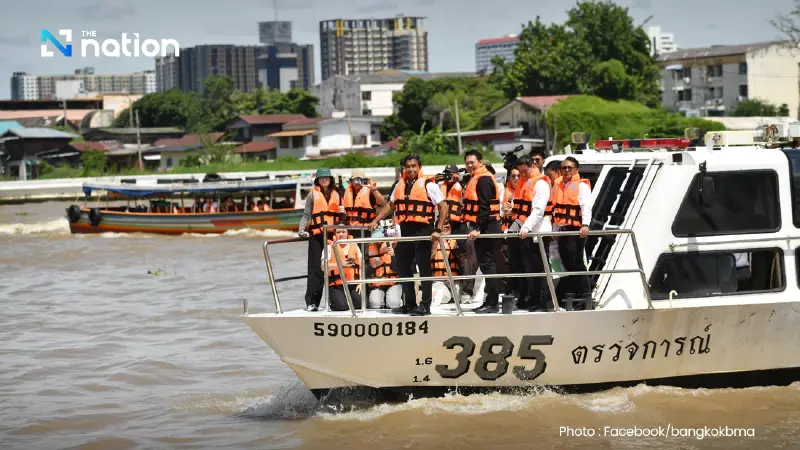


Bangkok Governor Chadchart unveils flood prevention measures to protect the capital from northern run-off, heavy rains and high tides ahead of the rainy season.
Bangkok Governor Chadchart Sittipunt on Tuesday unveiled comprehensive measures to protect the capital from flooding caused by northern run-off, heavy rainfall, and high tides.
He assured residents that the Bangkok Metropolitan Administration (BMA) had implemented proactive measures to prevent flooding when water from upstream provinces flows into the Chao Phraya River at the same time as heavy downpours and rising sea tides.
Chadchart said the BMA was working closely with the Royal Irrigation Department, the National Water Command Centre, and the Office of the National Water Resources to monitor water levels and respond promptly if the Chao Phraya River rises sharply.

Chadchart said the BMA has drawn up two measures to address rising sea tides and inflow from the North, along with three measures to manage heavy rainfall.
Two measures to tackle northern run-off and rising tides
- Inspect flood barriers and monitor risk areas: Check the stability of flood prevention embankments along the Chao Phraya River and closely monitor high-risk zones.
- Prepare response personnel: Mobilise officials and relevant agencies to assist residents who may be affected.
Three measures to handle heavy rainfall
- Lower water levels: Drain water from canal systems to make room for incoming rain.
- Prepare drainage systems: Inspect and maintain drainage networks, pipelines, and pumping stations.
- Ready equipment and staff: Ensure machinery, tools, and personnel are on standby 24 hours a day.
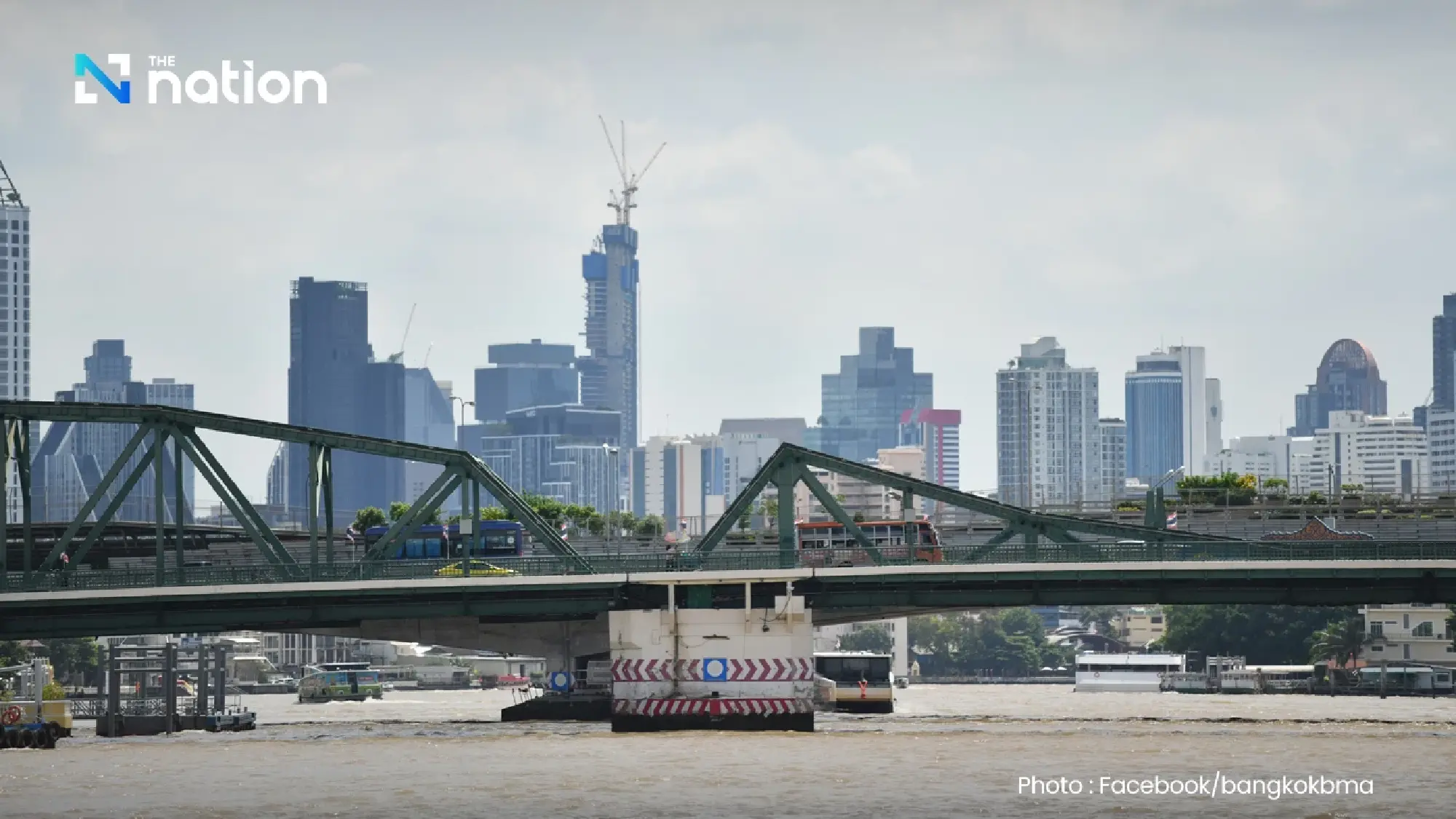

Governor leads inspection of flood prevention sites
Chadchart made the announcement after leading a media inspection of flood prevention efforts along the Chao Phraya River.
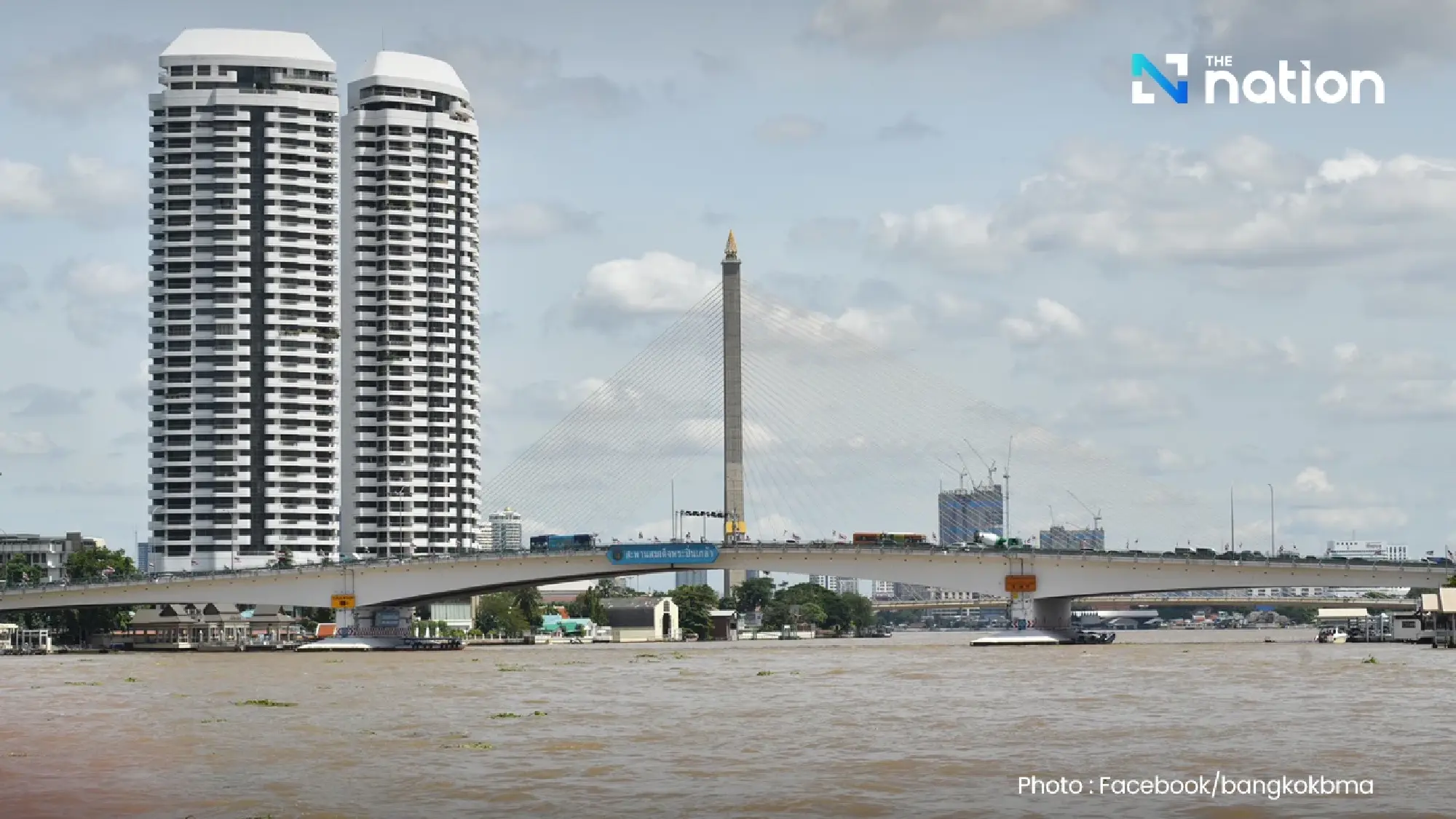
The trip began at a pier under the Pin Klao Bridge, where the delegation visited riverside communities outside the main flood barrier, including the Tha Wang community.
Reporters observed the formation of sandbag barriers at the Rajvoradit Pier, improvements to the flood wall at Rajinee School, reinforcement work at the Royal Thai Naval Dockyard, and construction at several unfinished sections of the flood levee.

Temporary barriers built to close floodwall gaps
Currently, Bangkok has around 80 kilometres of floodwalls along the Chao Phraya River, Bangkok Noi Canal, and Mahasawat Canal. However, several gaps remain where construction has not yet been completed.
The BMA’s Drainage and Sewerage Department has accelerated the closure of these intervals by installing 198,700 sandbags to form temporary barriers at vulnerable spots and public piers.
Chadchart added that water pumps had been installed near temporary levees to manage potential seepage, with officials stationed at pumping sites around the clock to ensure rapid response.


Govt vows no repeat of 2011 flood crisis
The announcement came a day after Deputy Prime Minister Sophon Saram assured the public that Bangkok would not face catastrophic flooding like in 2011, attributing the current prevention plans to improved coordination and water management.
