
Anti-alcohol groups, drunk driving victims to rally against easing of alcohol sale rules



Anti-alcohol groups and drunk driving victims will rally at Government House to oppose plans to extend bar hours to 4am and lift Thailand’s afternoon sales ban.
Members of anti-alcohol non-governmental organisations (NGOs) and victims of drunk driving will rally at Government House on Friday to urge Prime Minister Anutin Charnvirakul not to extend bar closing hours outside tourism zones to 4am, and not to lift the current ban on afternoon alcohol sales.
Protest against plan to extend bar hours and afternoon sales
The groups announced their rally and request for a meeting with the prime minister following reports that the Cabinet planned to allow pubs and bars outside tourism zones to sell alcoholic beverages until 4am.
The reports also said grocery stores, convenience stores, and department stores would be permitted to sell beer and liquor during 2pm–5pm.

Currently, pubs and bars in tourism zones and provinces such as Phuket, Chon Buri, Koh Samui, and some zones in Bangkok are the only ones allowed to stay open until 4am.
Under the existing Alcohol Control Act, shops and stores are prohibited from selling beer and liquor between 2pm and 5pm to prevent drinking during working hours, which authorities fear could lead to accidents and reduced productivity.
Fears over tax-driven policy change
According to reports, the zoning rule restricting closing time to 2am would be abolished, allowing all entertainment venues nationwide to serve alcohol until 4am. The reports also suggested the easing of restrictions — both later closing times and afternoon sales — could take effect by the end of January, ahead of the House dissolution, to boost state revenue by 500 billion baht from excise taxes.
Activists question motives behind proposal
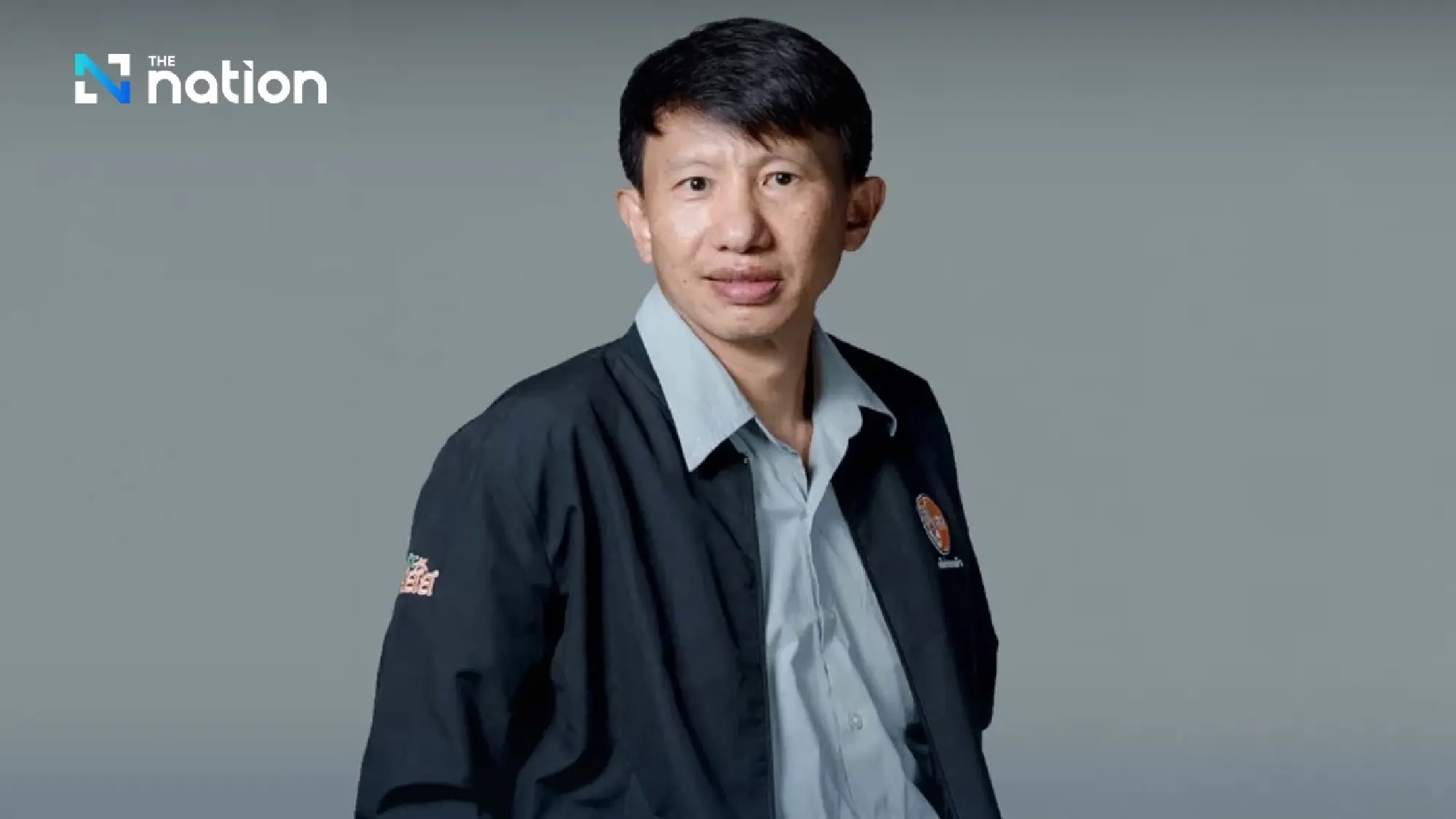
Chuwit Chantaros, coordinator of the Campaign for Protection from the Dangers of Alcohol Drinking, announced the protest plan, saying around 100 demonstrators would rally outside Gate 5 of Government House to submit their petition to Anutin.
However, Chuwit expressed doubt over whether the prime minister genuinely intended to relax alcohol controls, suggesting that the reports may have been spread by entertainment venue operators — a tactic he said had been used in the past.
He added that, having previously served as Public Health Minister, Anutin should understand the public health and safety implications of such a policy. Chuwit also cited Deputy Prime Minister Sopon Saram’s earlier pledge not to introduce any laws that could endanger public health.
Chuwit argued that allowing pubs and bars nationwide to sell alcohol until 4am would contradict the government’s stated commitment to protect public health and safety.
He urged the government to study the economic and social impacts of the pilot zoning scheme that already allows extended hours in certain tourism areas, to determine whether the economic benefits truly outweigh the costs in terms of road accidents, violence, and loss of life caused by drunk driving.
He also questioned the government’s claim that the change would generate 500 billion baht in additional tax revenue, pointing out that the entire value of Thailand’s alcohol market is around that same amount.

Call for tighter entertainment venue control
Thira Watcharapranee, director of the Stop Drink Network Thailand, said that if the government intends to revise the Entertainment Place Act of 1966 (BE 2509), it should focus on tightening control, not liberalising alcohol sales.
Thira noted that there are more than 200,000 establishments operating as entertainment venues, many of which should also be formally regulated and brought under a proper monitoring system.
He added that penalties for violations should be increased, including possible closures for between one and five years.
Thira also emphasised that when the new Alcohol Control Act takes effect on 8 November, both the government and the Public Health Ministry must issue clear directives to ensure its effective enforcement.
