
NWRC resolves to reduce Bhumibol Dam discharge to 45m cubic metres per day
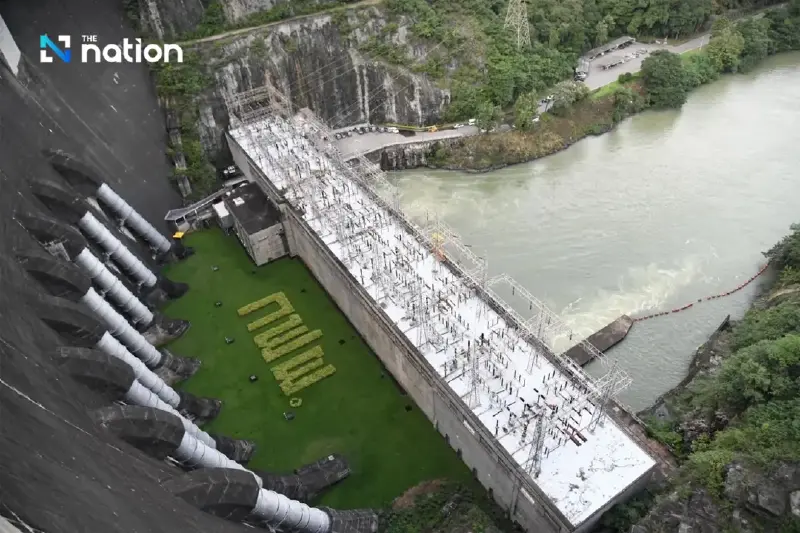


NWRC orders Bhumibol Dam to cut discharge to 45m³/sec to ease downstream flooding, following lower inflows and improved weather forecasts.
The National Water Resources Committee (NWRC) on Sunday resolved to reduce the discharge from Bhumibol Dam from 55 million cubic metres to 45 million cubic metres per day within two days.
Discharge reduction to ease downstream flooding
Paithoon Kengkarnchang, deputy secretary-general of the Office of the National Water Resources (ONWR), said the NWRC first approved a reduction from 55 million to 50 million cubic metres per day on Sunday. A further cut from 50 million to 45 million cubic metres per day was also ordered.
Since water released from the dam in Tak flows along the Ping River into the Chao Phraya River, the lower discharge aims to ease flooding downstream of the Chao Phraya Dam in Chai Nat, Paithoon noted.

Weather changes and lower inflow prompt decision
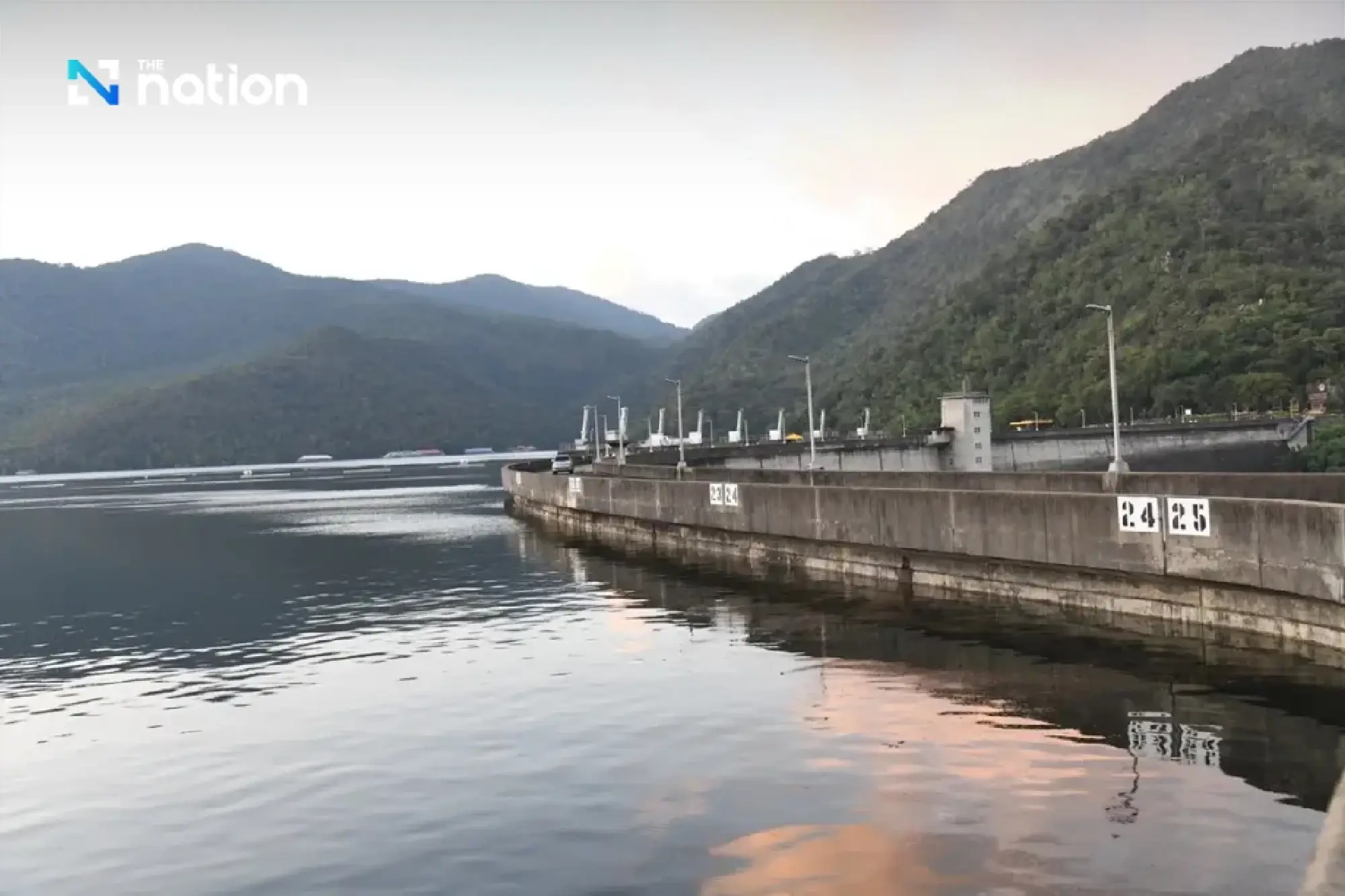
The reduction follows forecasts from the Meteorological Department indicating that a high-pressure system from China will bring a decline in rainfall across the North. Meanwhile, inflows into the dam have also continued to drop, Paithoon explained.
The discharge cut is expected to reduce water levels along the Ping River, from Sam Ngao district in Tak to Banphot Phisai district in Nakhon Sawan, by 0.1–0.15 metres, and subsequently reduce inflow into the Chao Phraya Dam.

Lower discharge from Chao Phraya Dam expected
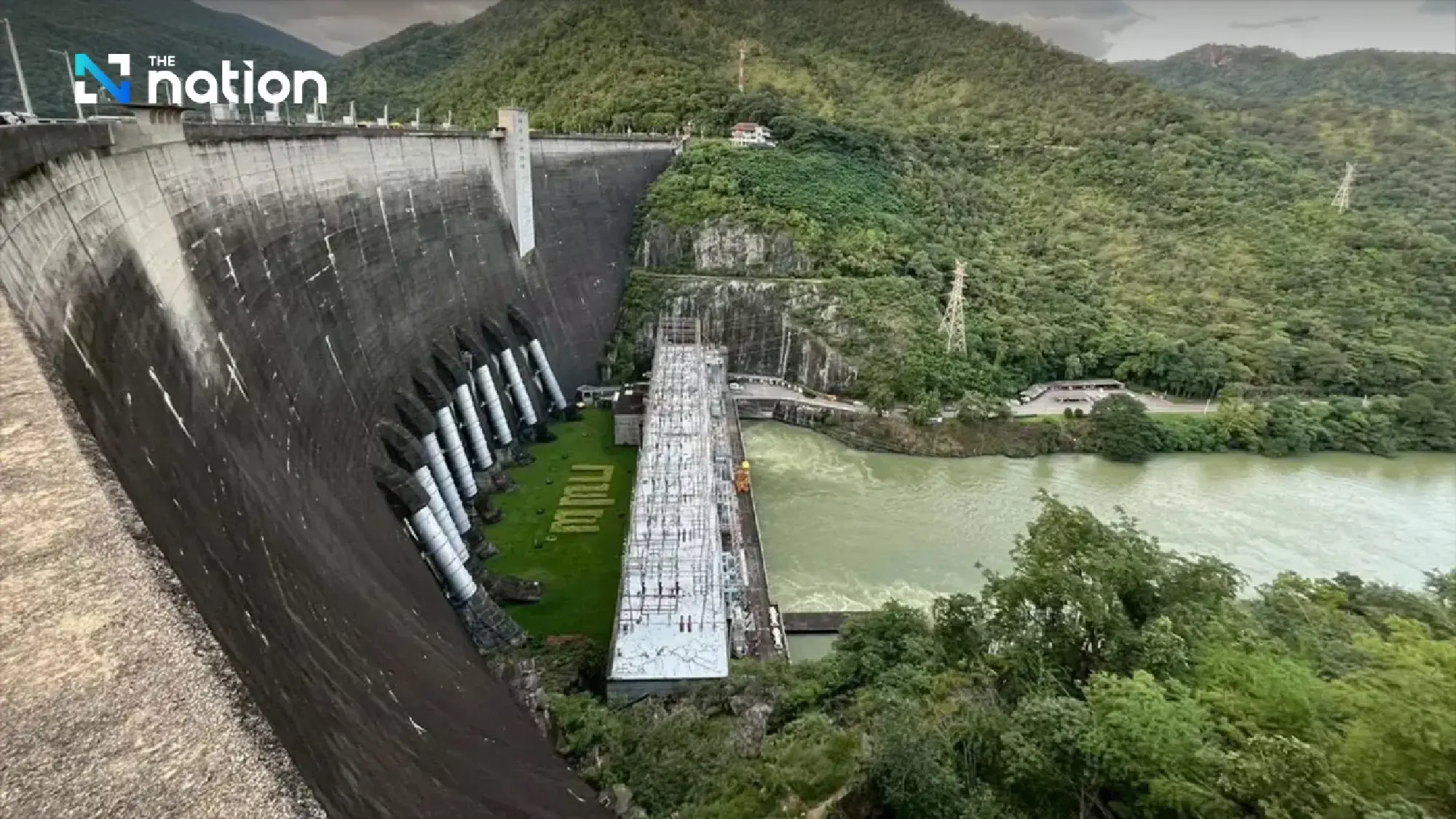
Paithoon said the discharge cuts at Bhumibol Dam will enable the Chao Phraya Dam to also reduce its release rate. In parallel, the Royal Irrigation Department will divert water from the Chao Phraya River into irrigation canals on both the east and west sides.
“This will allow the Chao Phraya Dam to lower its discharge to about 2,400–2,700 cubic metres per second between November 20 and 24,” Paithoon said.
He added that reducing the discharge aims to bring down water levels along the Chao Phraya River by 0.4–0.75 metres to help flood-affected communities downstream, where rice fields and homes have been submerged for months.
EGAT instructed to monitor upstream situation
Paithoon said the NWRC has also asked the Electricity Generating Authority of Thailand (EGAT) to closely monitor the flood situation upstream of Bhumibol Dam.
