
NHCO to use Songkhla flooding as study model for improved crisis response plan
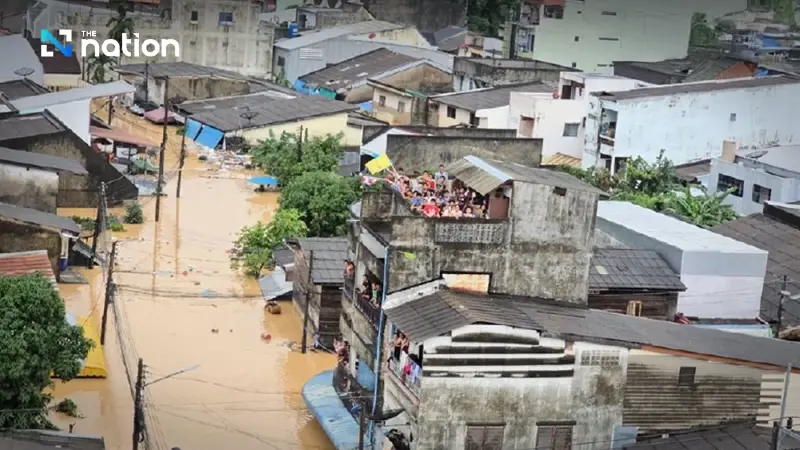


NHCO plans to use the Songkhla flooding crisis as a study model to draft better community-based crisis response plans with input from local areas.
The National Health Commission Office (NHCO) announced on Friday that it would use the Songkhla flooding crisis as a model to draft a more effective crisis response plan, based on inputs from local communities.
NHCO’s Focus on Community-Based Crisis Management
NHCO Secretary-General Dr Suthep Phetmark stated that the NHCO would host a discussion with relevant government agencies in December to design a crisis response plan informed by a study of the Songkhla flood crisis. He emphasized the importance of involving communities in providing essential data for the development of more efficient crisis management plans.


Tailoring Crisis Management Plans to Local Needs
In his speech at the 18th National Health Assembly, Dr Suthep highlighted that crisis management plans should be tailored to the specific needs of each area, based on information from local communities. While the government has a national disaster management plan and individual ministries have their own strategies, the effectiveness of these plans depends on the readiness and input of local communities.
Dr Suthep explained that communities have a better understanding of their own needs and resources, so crisis management plans should reflect their insights. For instance, the NHCO has previously drafted crisis response plans specific to areas like Chiang Rai and Chiang Mai.


Enhancing Crisis Response with Community-Based Plans
Community-based crisis plans enable authorities to obtain accurate information about the affected populations, the nature of damaged properties, and available resources. In the event of floods, authorities will be better positioned to make informed decisions regarding evacuation procedures and the coordination of rescue teams.
Addressing Poly-Crises and Interagency Cooperation
At the same assembly, Assoc Prof Dr Thirapat Angsuchawal, a member of the committee overseeing the development of health management plans during multiple crises, emphasized that disasters in Thailand should be viewed as "poly-crises." He explained that flood disasters are often compounded by other crises, which require collaboration between multiple government agencies, including the Department of Disaster Prevention and Mitigation, the Public Health Ministry, and local communities.
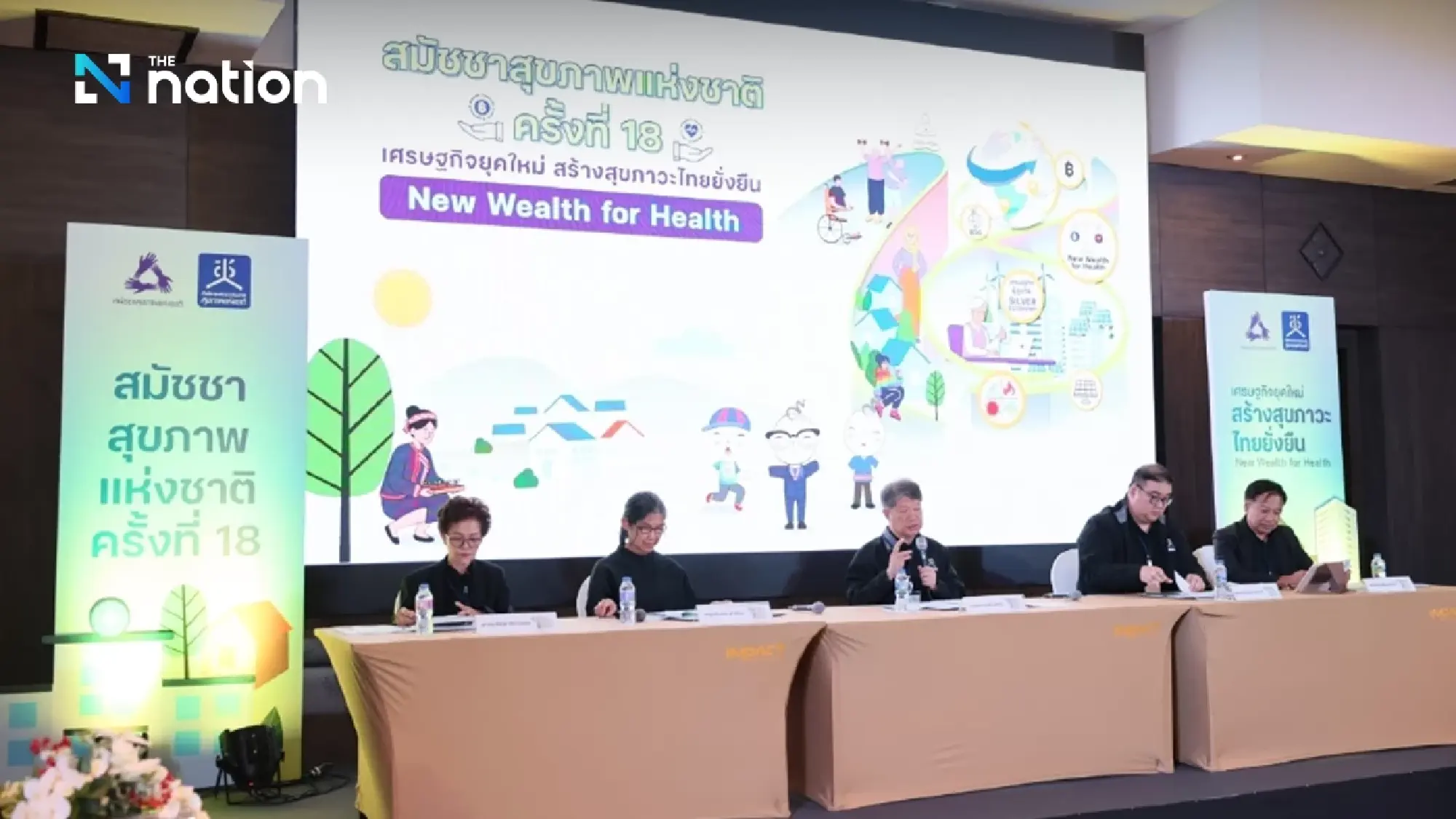

18th National Health Assembly Highlights
The 18th National Health Assembly, organized by the National Health Commission (NHC) in collaboration with strategic network partners, took place from November 27-28, 2025, at the Impact Forum in Muang Thong Thani. The main theme of the assembly, "New Wealth for Health," focused on sustainable Thai well-being.
One of the key discussions was about "Management Systems for Well-being in Crisis Within Crisis," where partners from various sectors reflected on issues arising from previous crisis management systems.
The lessons learned from the Hat Yai flood in Songkhla province underscored the importance of implementing effective resolutions to create a successful crisis management model that can reduce losses in future incidents.
Proposed Policy Mechanisms and Areas for Improvement
Various sectors expressed support for the proposed policy mechanisms, such as the need for a centralized information system linking all levels of government, strengthening local management systems, and improving communication and warning systems.
Additionally, proposals were made to focus on critical areas such as mental health care during crises and the development of individuals with the skills and capabilities to manage such situations.
