
Hat Yai Hospital to restore 70–80% of services within two months, says Public Health Ministry



Hat Yai Hospital aims to restore 70–80% of services within two months after severe flood damage, with field hospitals, referral systems and disease-prevention measures in place.
- Hat Yai Hospital is expected to restore 70–80% of its medical services within one to two months after sustaining heavy flood damage.
- The extended timeline is due to severe damage to the hospital's critical infrastructure, including its electricity, water supply, and power generator systems.
- The restoration will be phased, with outpatient services reopening in the first week, followed by the ICU and laboratory services over the next two to four weeks.
- While the main hospital is being repaired, services are being provided through temporary clinics, field hospitals, and mobile medical teams.
The Public Health Ministry said on Monday that Hat Yai Hospital, heavily damaged by the recent flooding, is expected to restore 70–80% of its medical services within one to two months.
Major systems heavily damaged in flooding
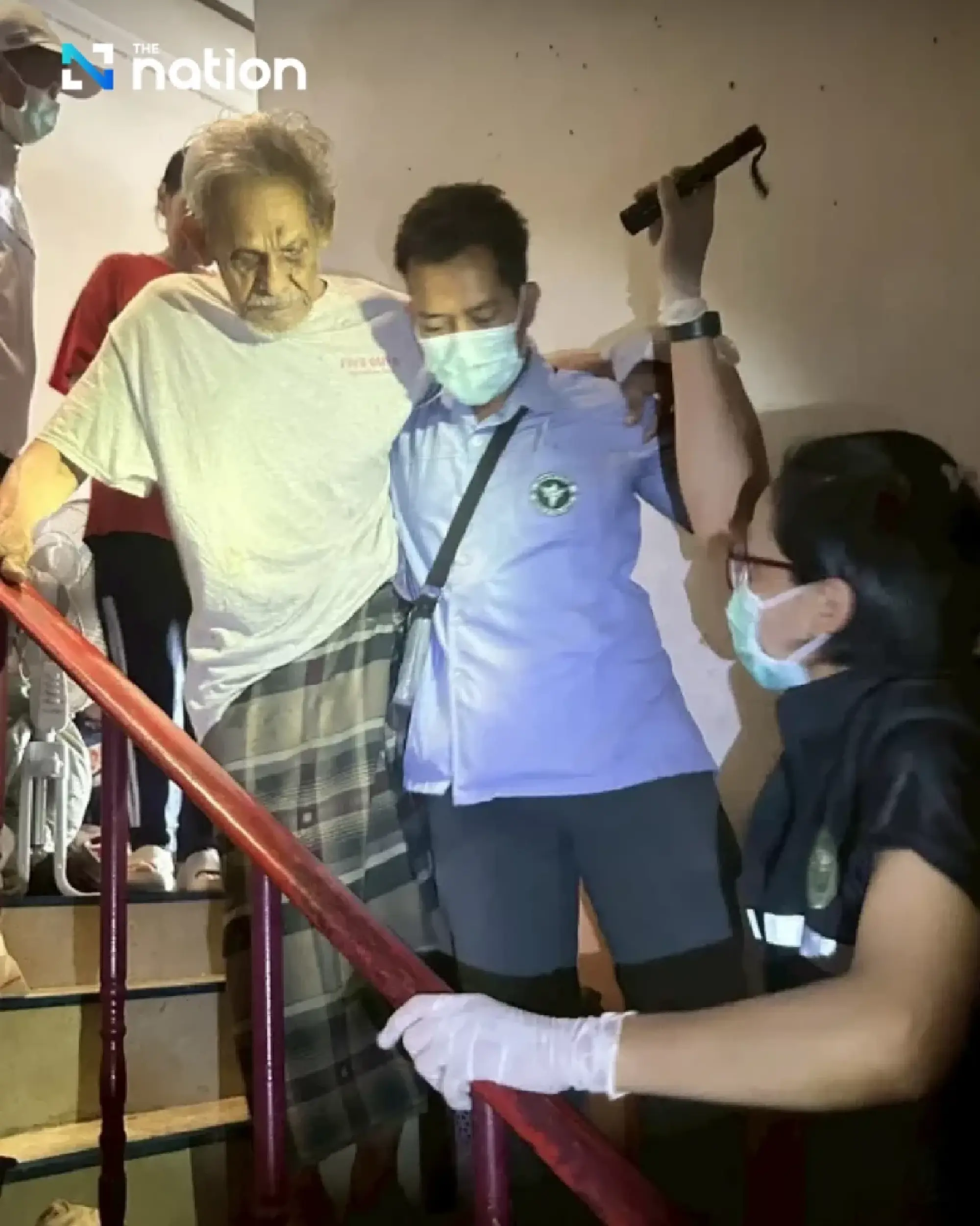
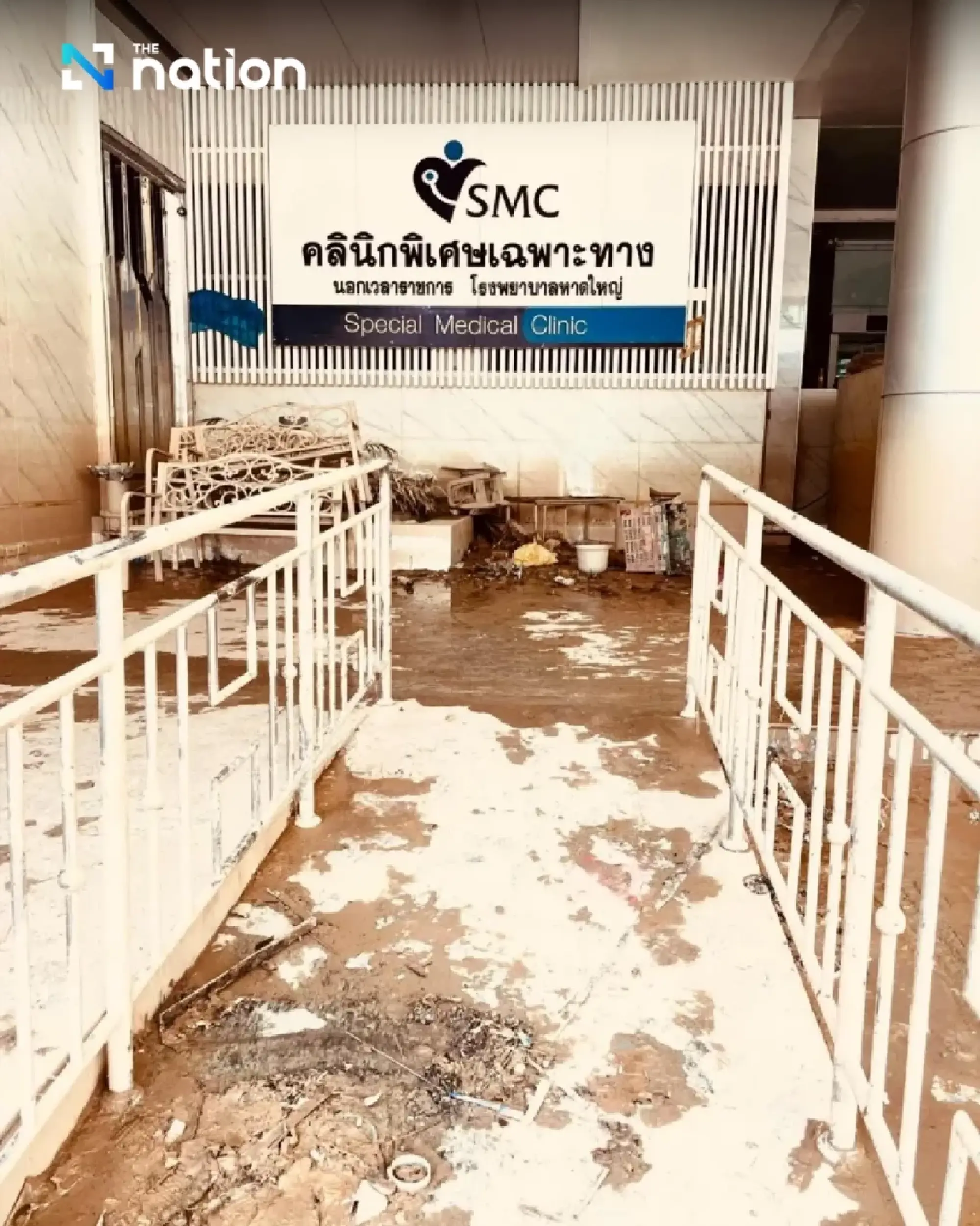
Public Health permanent secretary Dr Somrerk Chungsaman said the hospital sustained severe damage to critical systems, including electricity, water supply, control boards, and power generators.
Repairing these systems will take at least one to two months to bring services back to 70–80% capacity.
Facilities on the ground floor, including the emergency department and outpatient department (OPD), were affected to varying degrees.
Dr Somrerk said the hospital’s total damage estimate of 1 billion baht includes system restoration, rehabilitation of facilities, and the installation of a long-term flood-prevention system to protect the hospital from future disasters.

Phased service restoration plan
The hospital will resume services gradually:
- Week 1: OPD and related services will reopen.
- Weeks 2–4: The intensive care unit (ICU) and related laboratory services will gradually restart.
While full services remain unavailable, Hat Yai Hospital has set up temporary clinics at Central and Robinson shopping malls. Medicine and paediatrics clinics are expected to open later this week.
Referral system and hospital network support
As a centre-level hospital, Hat Yai Hospital typically receives referred patients from primary care units. With the hospital out of operation, critical patients have been redirected to other major hospitals.
Prince of Songkla University Hospital has already received patients to full capacity, prompting Songkhla Provincial Hospital, Phatthalung Hospital, Trang Hospital, Nakhon Si Thammarat Hospital, and Vajira Phuket Hospital to take in additional severely ill patients.

Field hospitals expanded across Hat Yai
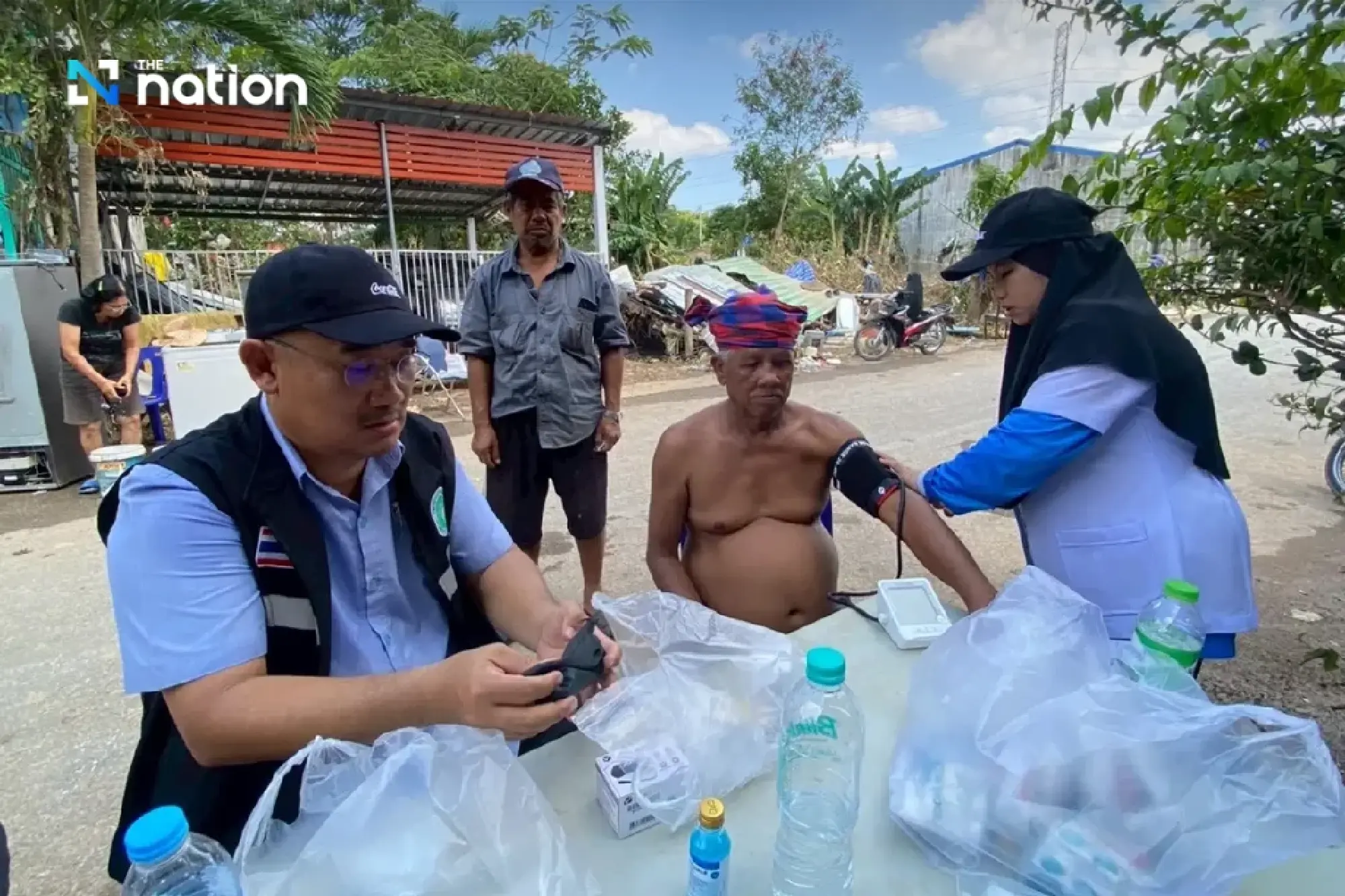
To support patients with chronic conditions and those affected by flood-related illnesses, the hospital has opened eight field hospitals with two more planned. These facilities provide care for both new acute cases and regular patients.
All field hospitals are linked to Hat Yai Hospital’s online database, enabling continuity of patient records.
The hospital has deployed:
- 86 mini medical emergency response teams (mini-MERT)
- 66 walking medical teams
These teams visit patients at home to ensure ongoing care.
Dialysis services adjusted but still available
Hat Yai Hospital normally provides dialysis for around 100 kidney failure patients. Dr Somrerk confirmed that dialysis services are still operating at field hospitals and on the hospital’s second floor, which was not damaged.
However, frequency has been temporarily adjusted from three sessions per week to two, allowing all patients to continue receiving treatment during repairs.
Medicine supplies remain adequate
The hospital’s main medicine storage was not damaged, although a secondary storage area at the OPD was affected. Hat Yai Hospital currently has two weeks of medicine in stock and can replenish supplies from the central government warehouse or private contractors.

Disease prevention measures underway
To prevent post-flood disease outbreaks, the Department of Disease Control and Health Department are coordinating with provincial public health offices to monitor:
- Leptospirosis
- Influenza in evacuation shelters
- Diarrhoea and waterborne illnesses
The Health Department will also teach residents to use chlorine to disinfect household water until tap water is fully restored.
Psychologists from southern mental health offices have been dispatched to provide counselling. As of 30 November, more than 2,430 flood victims had received mental-health support. Around 141 individuals were identified as experiencing severe stress and have been given appropriate care and follow-up treatment.
Mental Health Crisis Assessment and Treatment teams are working alongside mini-MERT teams, and mental-health clinics have been opened at field hospitals.
