
Anutin sets up panel to study and learn lessons from massive floods this year and in 2011
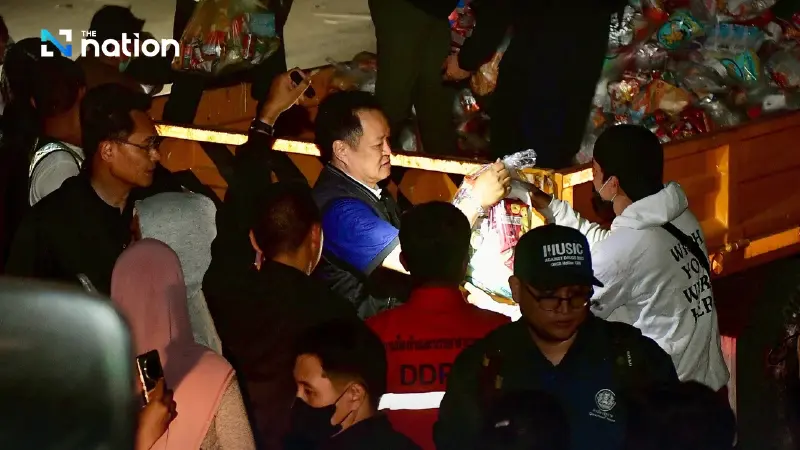


Prime Minister Anutin Charnvirakul has set up a special committee to study the lessons learned from the 2011 and 2023 floods, aiming to prevent future disasters and improve flood prevention strategies.
Prime Minister Anutin Charnvirakul has established a special committee with over 30 members to study and learn lessons from the massive floods in 2011 and this year, in order to prevent or minimize such disasters in the future.
Anutin signed a Prime Minister’s order dated December 1 to set up the committee, which will be chaired by himself.
The order stated that central Thailand was severely damaged by flooding in both 2011 and this year, with massive flooding affecting Songkhla and floods in the South, North, Northeast, and Central regions due to climate change.
It further noted that such flooding could occur again in the future, and that the government should learn from the past to prevent severe damage and to plan measures for aiding, remedying, and recovering affected people and areas quickly with cooperation from all sides.
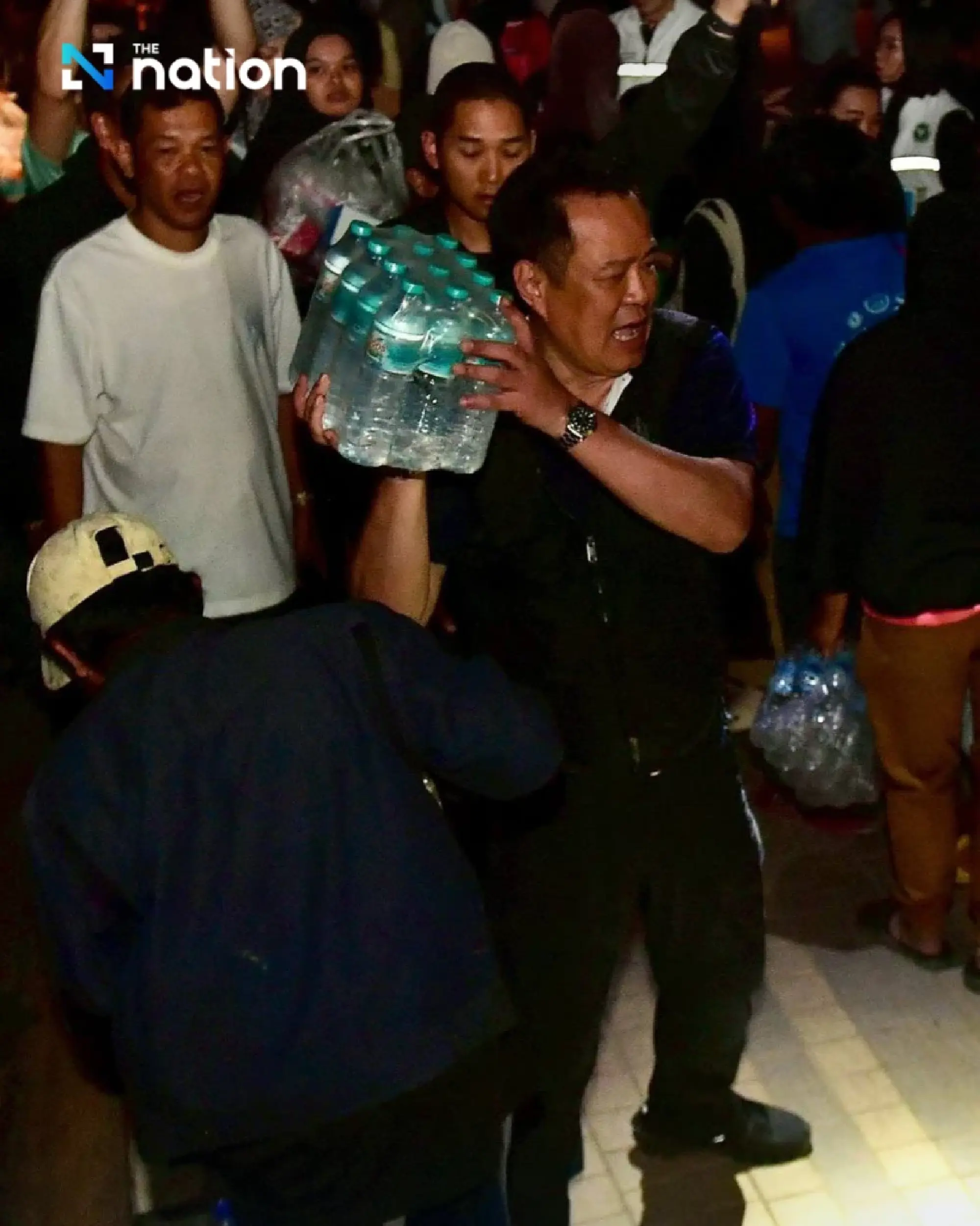

The Committee's Structure
The order established the following committee structure:
- Prime Minister – Chairman of the Committee
- All Deputy Prime Ministers – Vice-Chairs of the Committe
The committee members include:
- Secretary-General of the Prime Minister's Office
- Permanent Secretary of the Ministry of Defence
- Permanent Secretary of the Ministry of Finance
- Permanent Secretary of the Ministry of Higher Education, Science, Research, and Innovation
- Permanent Secretary of the Ministry of Interior
- Permanent Secretary of the Ministry of Public Health
- Commander-in-Chief of the Armed Forces
- Secretary-General of the National Broadcasting and Telecommunications Commission
- Secretary-General of the Office of the National Water Resources
- Director-General of the Department of Disaster Prevention and Mitigation
- Director-General of the Department of Public Works and Town & Country Planning
- Director-General of the Department of Irrigation
- Director-General of the Department of Meteorology
- Director-General of the Department of Highways
- Director-General of the Marine Department
- Director of the Space Technology and Geoinformatics Development Agency (Public Organization)
- Governor of Songkhla Province
- Rector of Prince of Songkla University
- President of Songkhla Provincial Administrative Organization
- Mayor of Hat Yai Municipality
- Secretary-General of the Uthokapat Foundation under the Royal Patronage
- Chairman of the Songkhla Chamber of Commerce
- Mr. Seri Supharathit
- Mr. Anon Snitwong Na Ayutthaya
- Mr. Kaewsan Atibodhi
- Mr. Dusit Kreungam
- Mr. Anuchit Anuchitanukool
- Mr. Phonchit Kittipanyakam
- Deputy Secretary-General of the Prime Minister's Office (as assigned by the Secretary-General of the Prime Minister's Office) and Joint Secretary
- Deputy Director-General of the Department of Disaster Prevention and Mitigation (as assigned by the Director-General) and Joint Secretary
- Staff from the Office of the Secretary-General of the Prime Minister's Office, Assistant Secretaries (up to 2 persons, as assigned by the Secretary-General of the Prime Minister's Office)
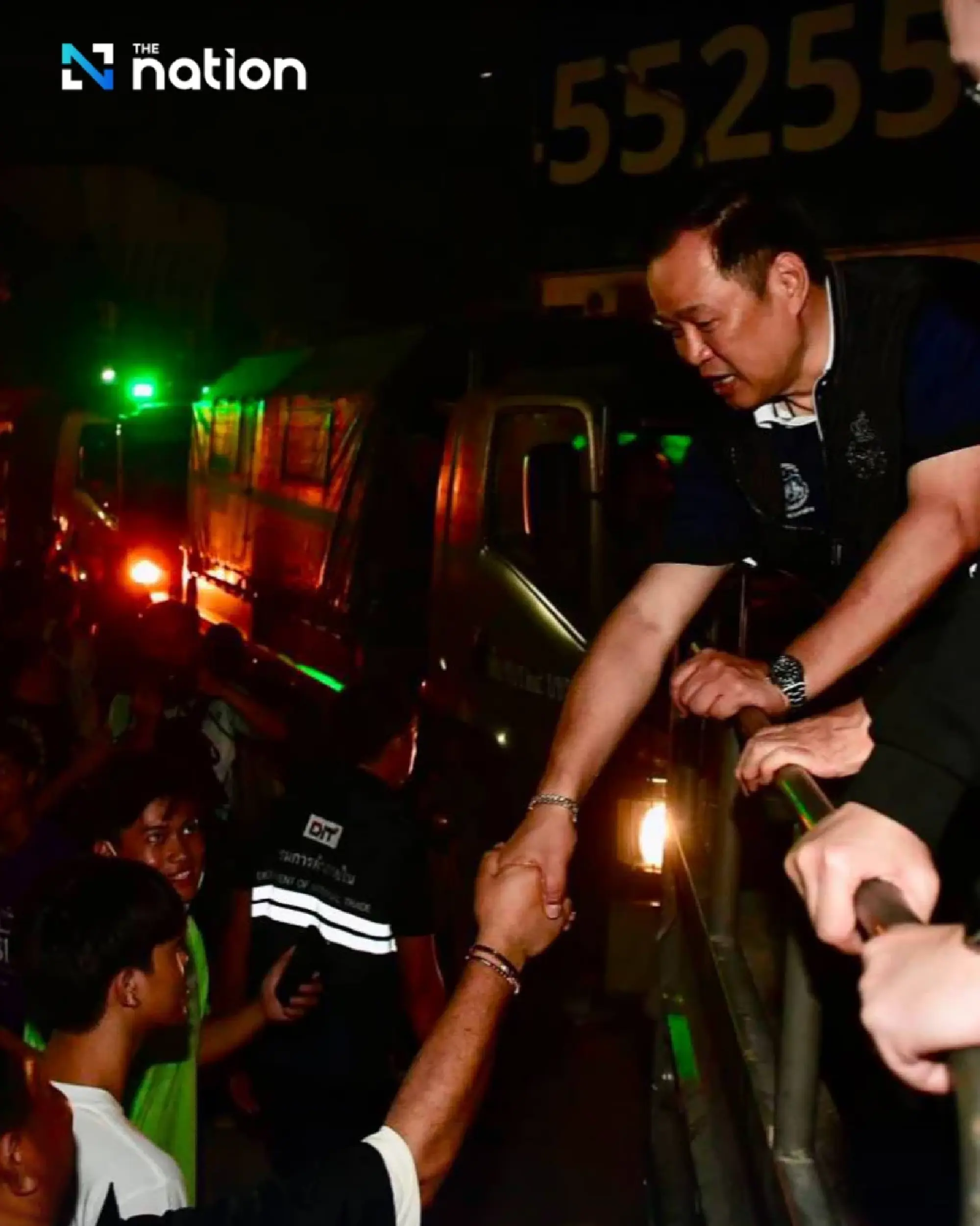

The Committee’s Duties and Powers
1) To study and learn from the great flood in Songkhla, particularly in Hat Yai District, as well as the 2011 flood, and propose ways to prevent major damages from future floods. This includes developing strategies for:
(1.1) A warning system, disaster prevention, evacuation centers, vehicles, disaster relief equipment, food storage, reserve medical supplies, and other essential items.
(1.2) Public utilities that are capable of handling floods, including electricity, water, and telecommunications.
(1.3) Public health systems and hospitals that are prepared to respond to flooding.
(1.4) A public manual for flood preparedness, and conducting real drills at least once a year.
(1.5) A manual for officials involved in flood relief, and establishing a unified command center for flood prevention and relief operations.
2) To study the practices of countries that are well-prepared for flood prevention and disaster mitigation, or other natural disasters, and assign relevant agencies to cooperate in building an effective disaster prevention and relief system.
3) To take the study results and recommendations to consult with relevant stakeholders for feedback.
4) To appoint subcommittees or individuals to carry out tasks as assigned by the committee and report back to the committee.
5) To perform any other duties assigned by the Prime Minister or the Cabinet. In the event that a committee member is removed from office due to death or resignation, the remaining members shall continue their duties.
Completion Deadline and Further Steps
The committee is to complete the tasks within three months from the date this order takes effect and submit a report for Cabinet approval to implement the recommendations.
Once the Cabinet approves the committee's report, the National Disaster Prevention and Mitigation Committee shall incorporate the study results and recommendations into the national disaster prevention and mitigation plan. The committee's secretariat shall promptly disseminate the study and lessons learned from the great flood to the public.
