
156 evacuees assessed as at risk of self-harm at shelters, Public Health Ministry says



Thailand’s Public Health Ministry says screenings of 130,605 evacuees found 1,127 under high stress and 156 assessed as at risk of self-harm.
The Public Health Ministry has assessed the mental health of more than 130,000 evacuees staying in shelters across provinces affected by the border clashes, and found 156 people at risk of self-harm due to stress and depression.
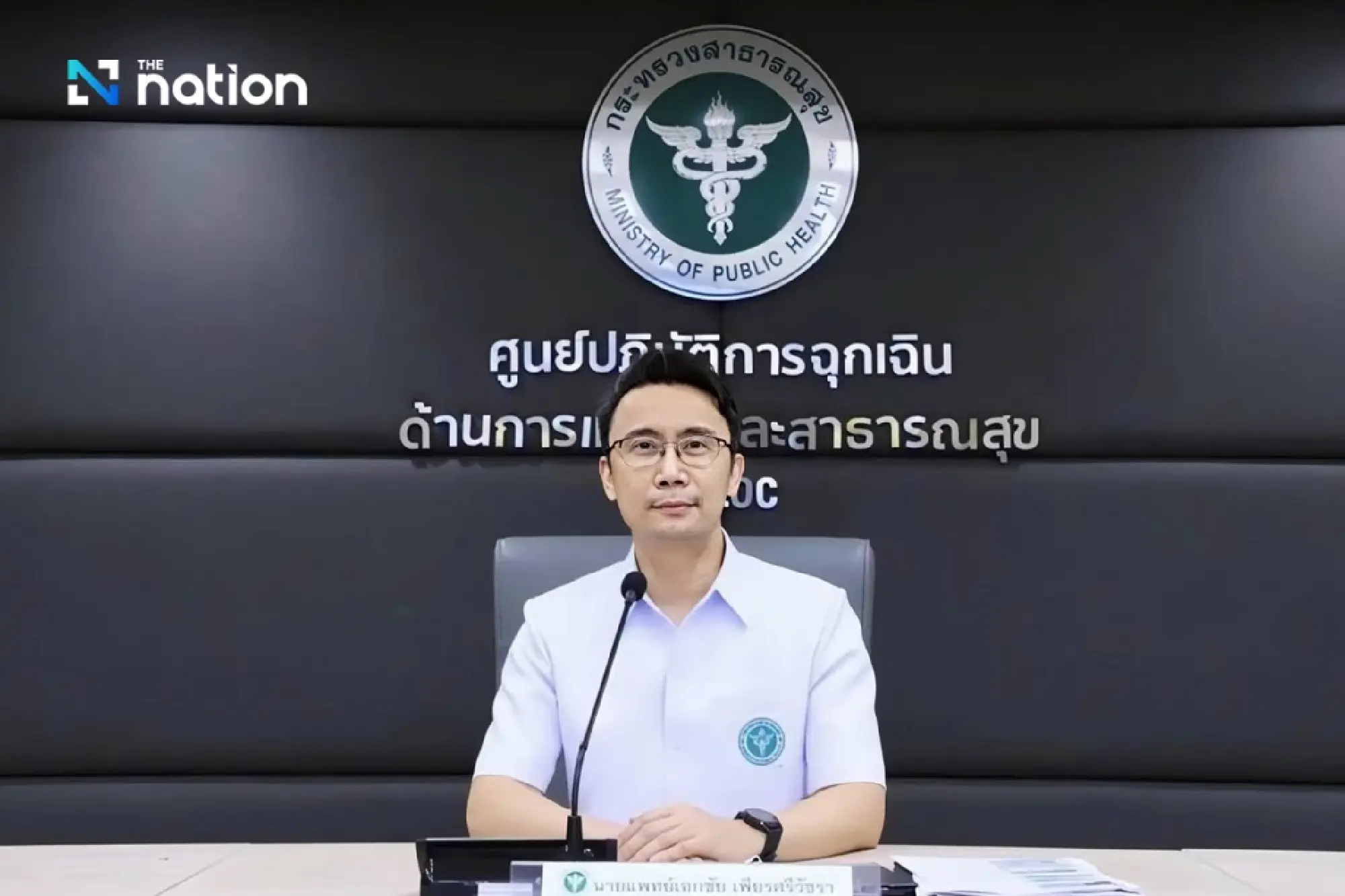
The findings were announced on Monday, December 15, 2025 by caretaker Public Health Minister Patana Promphat and Dr Ekkachai Piansriwatchara, deputy permanent secretary at the ministry, after Patana chaired a meeting of the Emergency Medical and Public Health Services Centre overseeing the Thai–Cambodian border situation.
Screening results from evacuation centres
Patana said officials interviewed 130,605 people at evacuation centres. Of those, 1,127 were found to be experiencing high levels of stress, while 156 were assessed as being at risk of self-harm.
He added that the number of evacuees seeking shelter was rising, and the ministry would deploy rotating teams to provide round-the-clock care.

Specialist support for those most at risk
Dr Ekkachai said around 1% of those interviewed were experiencing significant stress, prompting the deployment of Mental Health Crisis Assessment and Treatment Teams (MCATTs) to provide support.
He said those assessed as being at risk of self-harm were referred to psychiatrists or psychologists for specialist care and close follow-up.
Support for health workers in border provinces
Patana said the ministry also interviewed 4,675 medical personnel in provinces bordering Cambodia, finding 78 experiencing high stress.
Dr Ekkachai said around 5–7% of health workers in affected provinces were under stress due to heavy workloads, the security situation, and concerns for their families. MCATTs were deployed to provide counselling, while measures such as adjusted work schedules, additional staffing and support to contact family members were also being used to help reduce pressure.
Disease prevention and basic wellbeing measures at shelters
Patana said the ministry would also step up disease prevention at shelters, including measures to prevent diarrhoea and other outbreaks.
Dr Ekkachai said evacuees were being encouraged to use simple stress-reduction techniques, stay hydrated, and take part in calming activities such as reading or listening to music. He added that evacuees experiencing stress were advised to speak with health volunteers or MCATT personnel at the shelters.
