
FTI chief hopes for capable, corruption-free government after election
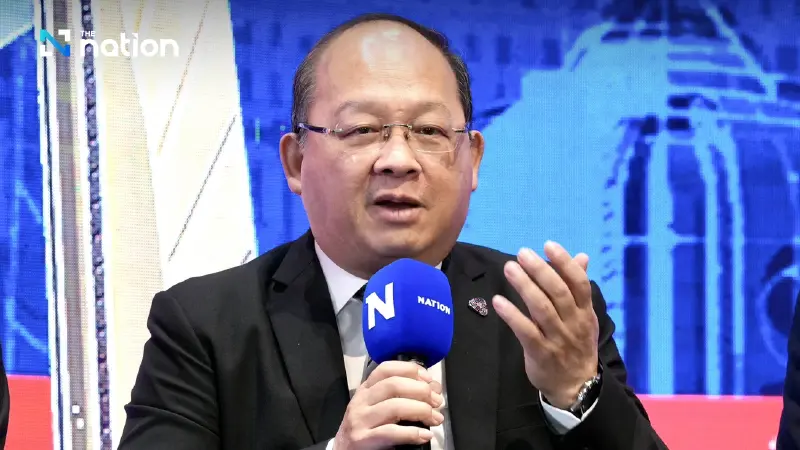


FTI chairman Kriangkrai wants a capable, corruption-free cabinet after the election, warning ‘grey capital’ could infiltrate politics and policy.
The chairman of the Federation of Thai Industries (FTI) on Monday, December 15, 2025 expressed hope that Thailand will get a capable, clean cabinet—particularly in the economic ministries—free from any links to illicit networks.
FTI chairman Kriangkrai Thiennukul made the remarks in an interview with Than Setthakij on what a “dream” post-election cabinet should look like. The FTI is also a partner in Nation Group’s “Nation Election 2026: The Crossroads” project.
A “dream” cabinet must come from a clean election
Kriangkrai said a “dream” government must emerge from a clean and fair election so that politicians with clear ideology, practical long-term policies, and public acceptance can be elected.

He said cabinet members—especially those overseeing key economic portfolios—must be competent and have strong economic credentials.
Economic ministries should go to professionals, not quota picks
Kriangkrai said the next government should not allocate economic ministries based on coalition quotas, but instead appoint professionals and economic experts to the most important portfolios.
He said past experience showed that even when technocrats held key economic posts for a short period, they were able to restore confidence among investors and businesses.
“If you have someone who truly knows what they are doing, genuinely understands the issues, and has real capability—not some unknown person with no experience coming in to run the entire country’s economy—this has proven that quality people can deliver results, even with time constraints,” he said.
Ministers must understand geopolitics, trade and technology shifts
Kriangkrai said future economic ministers must also understand geopolitics, the ongoing trade war, and fast-changing technologies.
He said economic ministers should understand the global situation, have vision, keep “clean hands”, and be committed to serving the public.
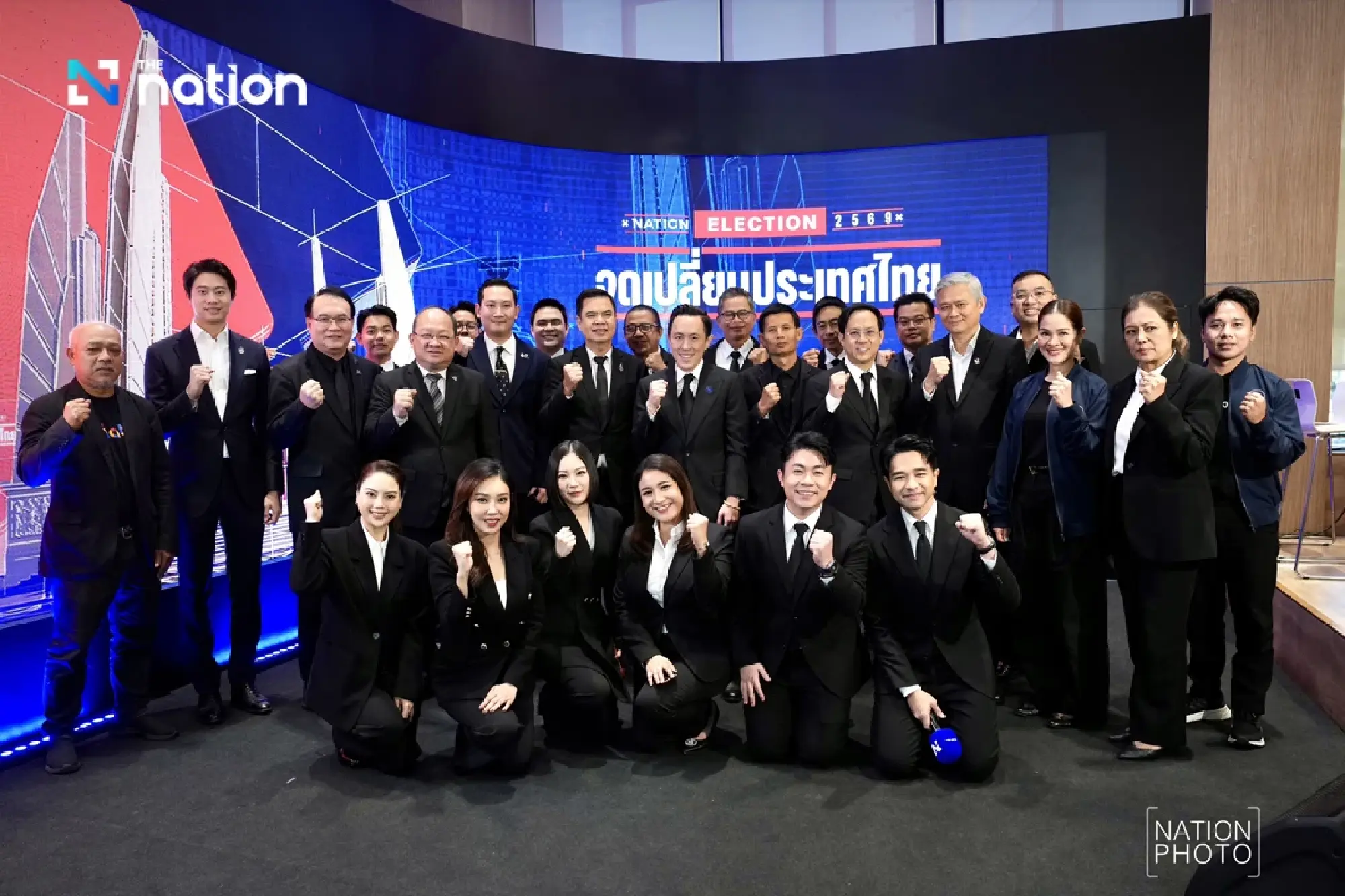

Private sector warns of “grey capital” and election-linked corruption
Kriangkrai said the Joint Standing Committee on Commerce, Industry and Banking—made up of the FTI, the Thai Chamber of Commerce and the Thai Bankers’ Association—has invited member companies to join a “Zero Corruption” programme and reject corrupt practices.
He warned that corruption was accelerating, particularly during election periods, and said the private sector was seeing clearer signs of “grey capital”, both domestic and foreign, using elections as a channel for money laundering and influence through support for parties and candidates.
“If grey capital takes control of political parties and then extends its influence into government—becoming ministers or shaping national policy—Thailand will turn permanently grey and black. That is the most frightening thing,” he said.
He also predicted vote-buying could intensify, with allegations that spending could rise to thousands of baht per vote, compared with hundreds in the past.
Urgent agenda: household economy and structural reform
Kriangkrai said the next government’s most urgent task would be addressing kitchen-table economic pressures, including household debt, weak purchasing power, grey capital and dumped imports that are undercutting Thai businesses—from small operators to major firms.
He said the new government must overhaul the broader economic structure while reforming education, the civil service, laws and regulations, and the country’s fiscal framework—especially the imbalanced tax base. If these constraints can be unlocked, he said, many other problems could be resolved as well.
