
NARIT invites public to watch Jupiter at opposition
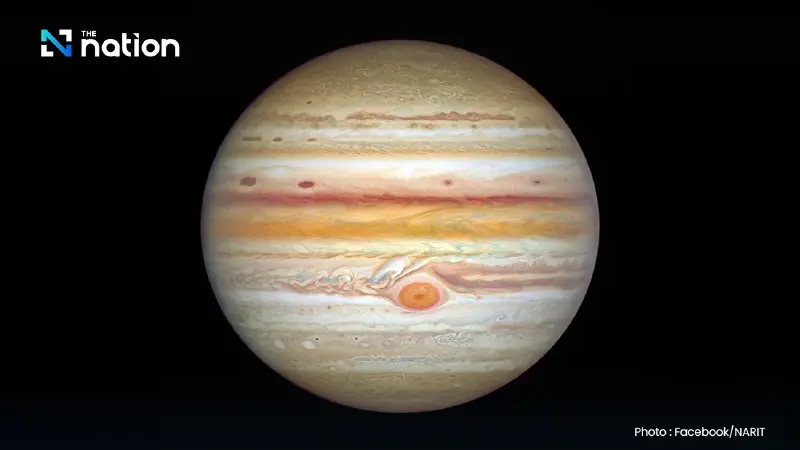


NARIT’s AstroFest 2026 runs 9am-10pm on January 10, 2026, offering free public viewing of Jupiter at opposition across five sites
National Astronomical Research Institute of Thailand (NARIT) has invited the public to observe Jupiter at opposition on the night of National Children’s Day on January 10, 2026.
NARIT said on its website and Facebook page that it will organise “NARIT AstroFest 2026” to mark the event, which occurs about every 13 months.
The festival will be held at one astronomy park and four regional observatories:
- Princess Sirindhorn AstroPark, Chiang Mai
- Nakhon Ratchasima Observatory
- Khon Kaen Observatory
- Chachoengsao Observatory
- Songkhla Observatory
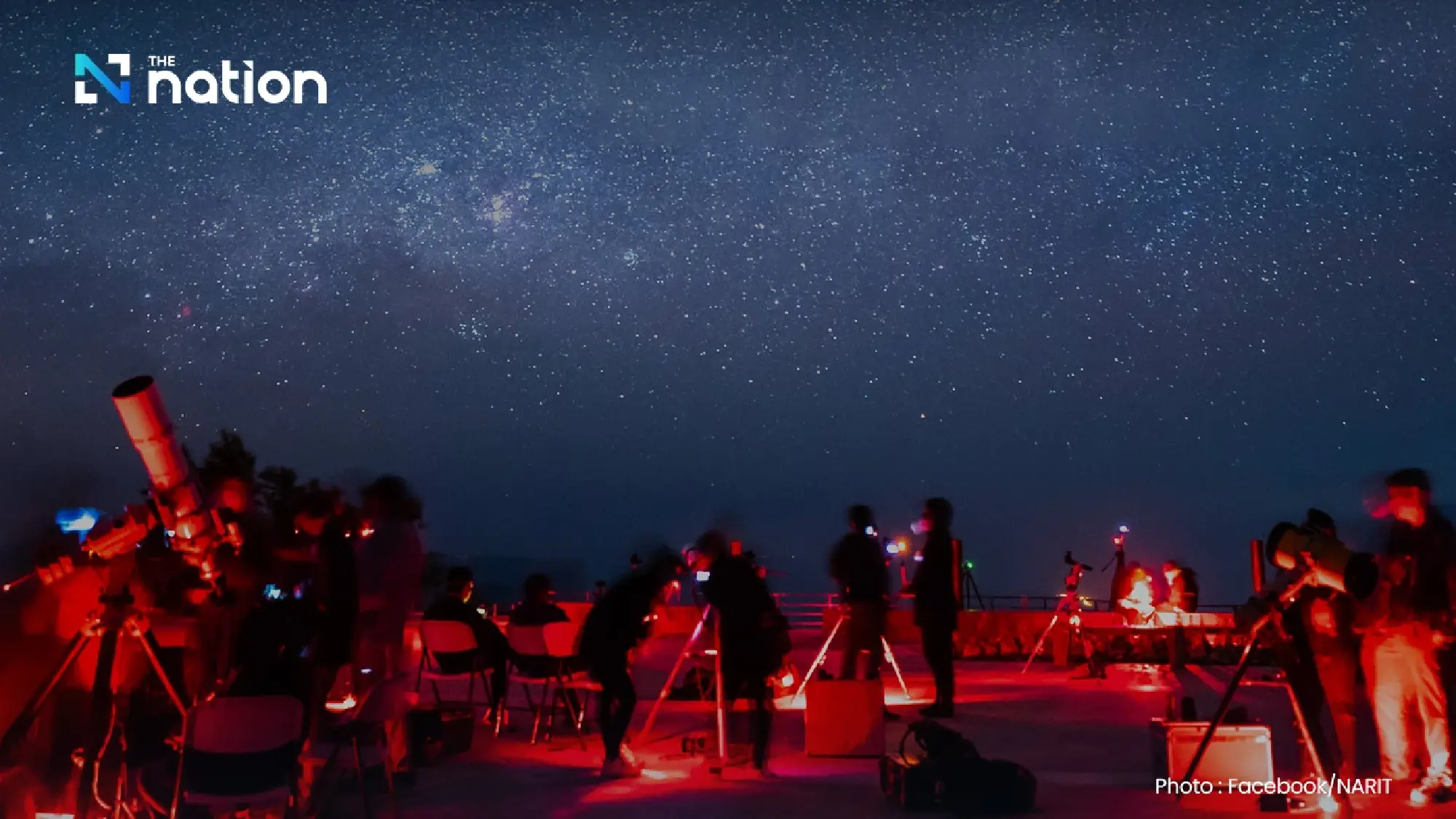

NARIT said members of the public can join free of charge
It said AstroFest 2026 will run from 9am-10pm, with daytime activities and night-time observing, when Jupiter is near its closest approach for the year.
Jupiter opposition is when Earth passes directly between the Sun and Jupiter. Because Earth orbits the Sun faster than Jupiter, this alignment happens roughly every 13 months, bringing Jupiter into an ideal viewing position.
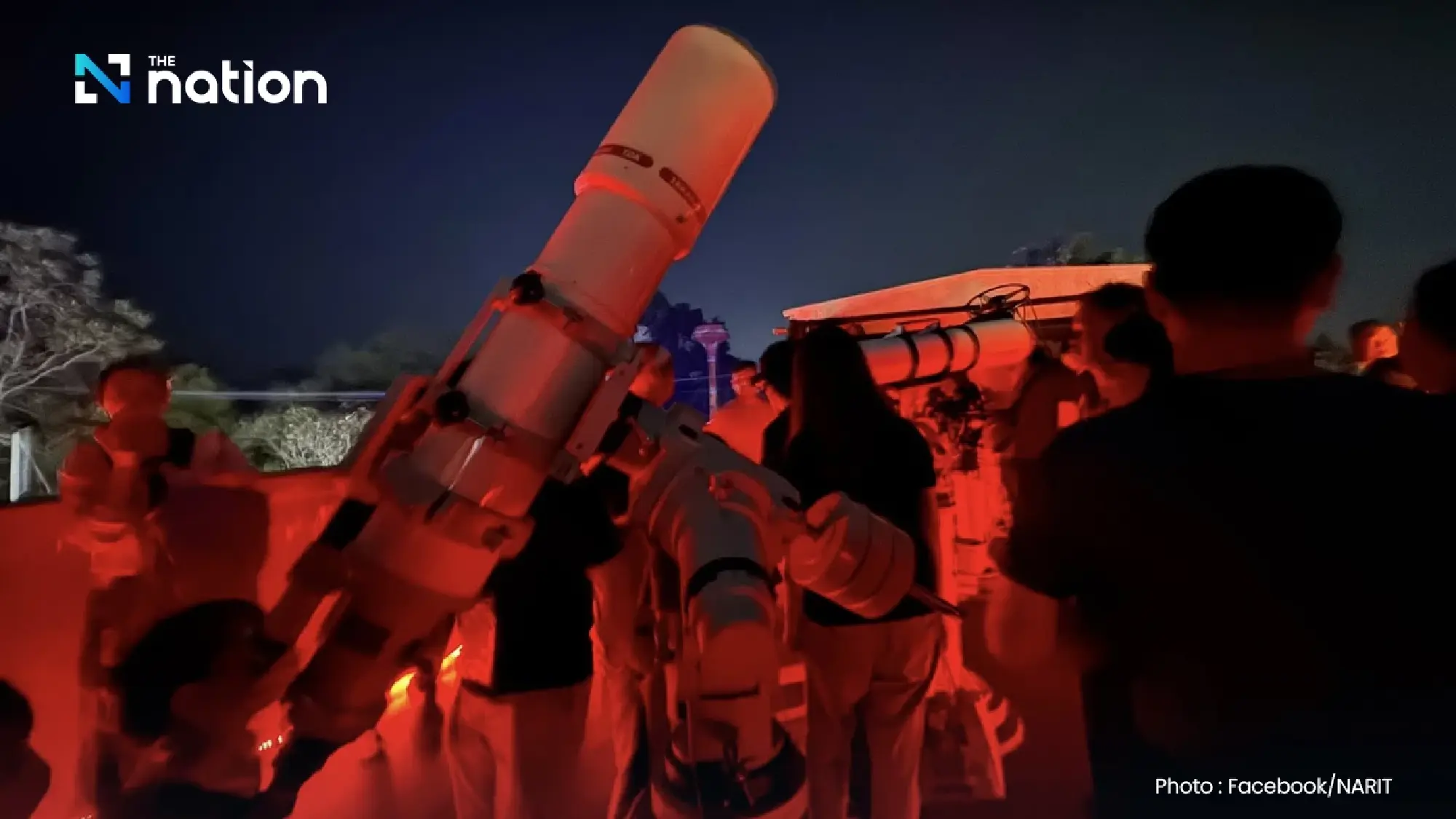

Why it’s the best time to watch
- Maximum brightness: Jupiter is fully illuminated by the Sun, making it one of the brightest objects in the night sky.
- Largest apparent size: With Earth and Jupiter relatively close, the planet appears larger through binoculars and telescopes.
- All-night visibility: It rises around sunset, is highest around midnight, and sets around sunrise.
Viewing tips
- Naked eye: Jupiter looks like a very bright, steady (non-twinkling) cream-white “star”.
- Binoculars: Basic 7x50 or 10x50 binoculars can show Jupiter as a tiny disk, and you may spot the four largest moons—Io, Europa, Ganymede and Callisto—lined up as small points of light.
- Telescope: A small telescope can reveal Jupiter’s darker cloud bands and, in good conditions, the Great Red Spot.
