
Security stepped up for petrol stations in deep South following bomb and arson attacks
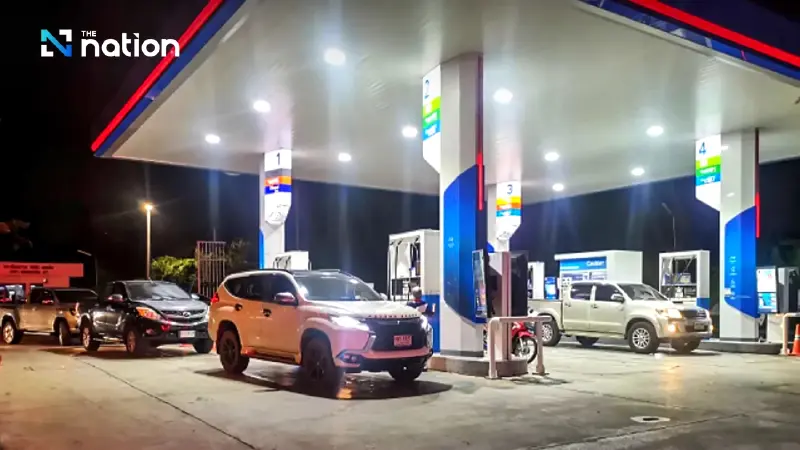


Thailand’s Energy Ministry has asked security agencies to bolster protection at petrol stations in Yala, Pattani and Narathiwat after bomb and arson attacks hit 11 sites. Officials say fuel supplies remain sufficient, while damaged stations stay closed for repairs as authorities investigate the motive.
The Energy Ministry has sought help from security agencies to step up protection for petrol stations in the three southern border provinces following bomb and arson attacks on 11 stations.
Wutthithat Tantiwes, deputy director-general of the Department of Energy Business, said on Monday that security had been tightened at remaining petrol stations following the attacks on Sunday.
He said operators of the remaining stations had also been told to stock sufficient petrol to serve people in Yala, Pattani and Narathiwat.
At about 1am on Sunday, 11 petrol stations were attacked almost simultaneously with explosions and arson.

Wutthithat said the 11 stations in Yala, Pattani and Narathiwat remained closed as the owners had yet to repair the damage.
He added that about 1.4 million litres of petrol were consumed in the three provinces, accounting for about 1% of the daily petrol reserves there, so the department was confident the remaining stations had enough supply to serve the public.
Wutthithat said the 11 attacked PTT petrol stations were owned by dealers, not directly by PTT Plc or PTT Oil and Retail Business (OR). He added that OR was considering measures to assist the owners of the 11 stations.
Meanwhile, Prasert Sinsukprasert, permanent secretary of the Energy Ministry, said authorities were still investigating the motive to determine whether it involved insurgency, business disputes or political conflict.
Prasert said OR had managed oil and petrol stocks in the deep South, so the attacks would not cause shortages in the three southern border provinces.
