
No fuel shortage in Laos, officials assure public
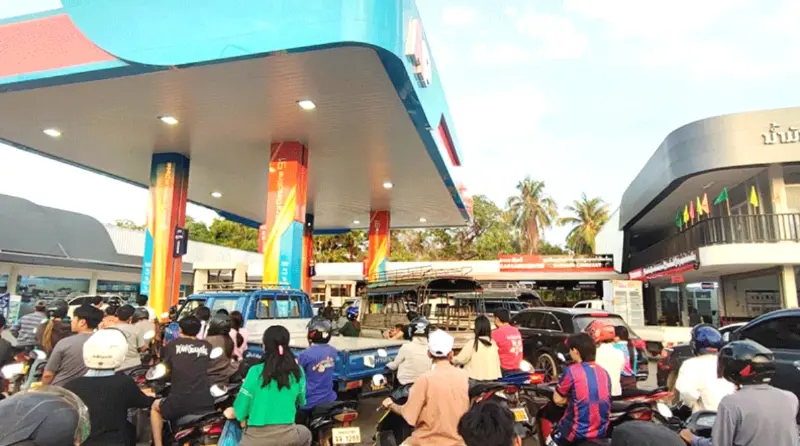


Ministry of Industry and Commerce has confirmed that fuel supplies remain secure and sufficient nationwide, following high-level meeting to discuss the potential impact of ongoing Middle East tensions on global oil prices and domestic supply.
The meeting was chaired by Deputy Minister of Industry and Commerce Chanthaboun Soukaloun and attended by representatives from relevant departments, the Lao State Fuel Enterprise, and fuel import and distribution companies.
Discussions centred on possible risks to fuel prices and availability, as well as identifying short-, medium-, and long-term measures to safeguard national energy security.
According to import data reviewed at the meeting, fuel supply and prices were stable as of March 2, with more than 10 million litres available nationwide.
Thai government counterparts confirmed that there is no restriction on fuel exports to Laos.
This reassurance followed rumours that Thailand might suspend exports due to the Middle East conflict, prompting the Thai Ministry of Commerce to issue a notice on Monday affirming that fuel exports to Laos will continue while authorities closely monitor the situation.
Reserves maintained by fuel companies were reported to be sufficient to meet current demand and prevent sudden shortages.
Meeting participants explored alternative fuel sourcing options to ensure continued supply in the event of prolonged instability in global markets.
Authorities emphasised the importance of proactive planning and close monitoring to mitigate potential disruptions and maintain market stability.
To strengthen oversight, the ministry instructed importers and distributors to keep their branded and franchised stations well supplied with fuel to ensure regular availability before serving commercial projects.
District trade inspectors were directed to closely monitor petrol stations that temporarily close or report shortages, verifying conditions on the ground to prevent speculative hoarding.
Officials warned that any violations would incur legal action under the Decree on Fuel Business No. 559/PM, including possible suspension or revocation of business licences.
The ministry called on the public to remain calm and refrain from panic buying and instead adopt fuel-saving habits.
Officials said careful consumption of fuel would help households reduce unnecessary outlay and assist government efforts to conserve foreign currency reserves.
Times Reporters
