
Pattaya Smart City push: GISTDA proposes basemap, digital twin and real-time data
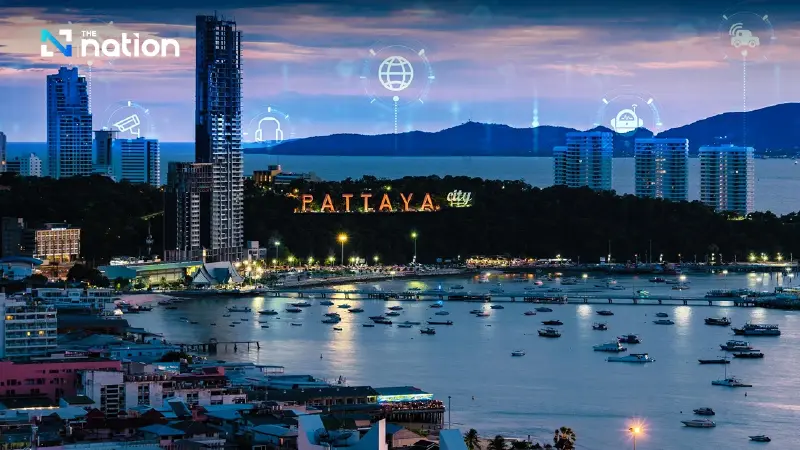


GISTDA has proposed using space and geoinformatics—high-resolution basemaps, a 3D digital twin and real-time monitoring—to build Pattaya’s data infrastructure and support smarter city management.
Pattaya is preparing for a major shift towards becoming a fully integrated Smart City, with the Geo-Informatics and Space Technology Development Agency (GISTDA) proposing an approach that combines space technology and geoinformatics to lay the foundation for the city’s data infrastructure.
The plan centres on two core tools—a high-resolution basemap and a digital twin—to move Pattaya from “fixing problems after they happen” to precise planning and proactive response, supported by three key mechanisms.

1) Building the city’s foundation with a high-resolution “basemap”
GISTDA said a Smart City starts with an accurate, up-to-date map. It will use satellite data to develop a high-resolution basemap that serves as a shared “master canvas” for agencies to work from, linked to three major areas:
- Green areas and carbon: The map would pinpoint and calculate green space by plot to support the Pattaya Go Green policy, and help assess the carbon sequestration potential of urban trees as the city works towards carbon neutrality.
- Safety (physical safety): The basemap would help identify blind spots, risk areas and poorly lit locations in real infrastructure, enabling more targeted planning for street lighting and CCTV placement.
- Tourism: It would create an accurate database of tourist attractions and public utilities, allowing visitors to access reliable location information with confidence.
2) Simulating real-world scenarios with a “digital twin”
Once the basemap is in place, the next step is a 3D digital twin—a virtual city model built by processing large volumes of data to simulate issues before they happen. Proposed uses include:
- Flood management: Modelling water flow during heavy rain, analysing drainage bottlenecks and simulating floodwater in 3D to support more targeted drainage and prevention planning.
- Air pollution: Simulating the movement of dust and air pollutants based on wind direction and tall buildings, to warn of risk areas and plan measures to reduce pollution sources.
- Traffic management: Running traffic simulations to identify congestion points and test route or signal changes in a virtual environment, aiming to find the smoothest-flow solutions before implementing them on the ground.
3) Improving quality of life with real-time data
Beyond city planning, GISTDA said space and geoinformatics can support day-to-day monitoring that improves safety and economic activity, including:
- Linking real-time traffic and accident data to a command centre to enable faster on-site management and emergency response.
- Providing weather updates, air quality (PM2.5) information and flood conditions to tourists through apps or smart signage, helping build confidence in safety for visitors in Pattaya.
GISTDA said the proposal—especially the use of basemap and digital twin tools to drive six key dimensions: environment, air, water, safety, traffic and tourism—represents a modern approach to city management and is expected to lead to the signing of a memorandum of understanding (MOU) between Pattaya City and GISTDA in the near future.
