
Forest fires worsen Chiang Mai’s air quality on Wednesday morning
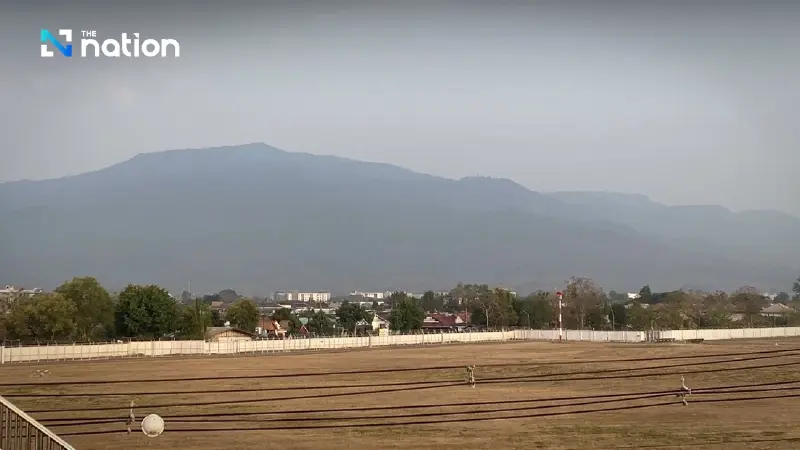


Forest fires worsen air quality in Chiang Mai, pushing PM2.5 levels to unhealthy levels. Authorities report 182 hotspots in the region, with significant fire risks in southern districts.
The air quality in Chiang Mai’s Hot district dropped to the red or unhealthy level on Wednesday morning, with PM2.5 ultrafine pollutants measured at 71.3 µg/m³ due to forest fires, officials reported.
PM2.5 Levels Surpass Safe Limits
Officials noted that PM2.5 levels exceeded the green standard (good air quality) in several areas, particularly in southern Chiang Mai, due to multiple forest fires. The air quality measuring station in Tambon Hang Dong, Hot district, recorded a PM2.5 level of 71.3 µg/m³ at 8 a.m. In Tambon Chang Puak, Mueang district, the PM2.5 level was recorded at 34.4 µg/m³, which is considered yellow or moderate.
Forest Fires Spread to Doi Tao District and Ob Luang National Park
The Geo-Informatics and Space Technology Development Agency (GISTDA) reported detecting seven hotspots from forest or farm burning in Doi Tao district on Wednesday morning. Since January 1 to February 17, GISTDA has detected 182 hotspots in Chiang Mai, predominantly in the southern part of the province.
Authorities stated that winds carried smoke and dust from the burning areas to downtown Chiang Mai, causing PM2.5 dust to accumulate to unhealthy levels.
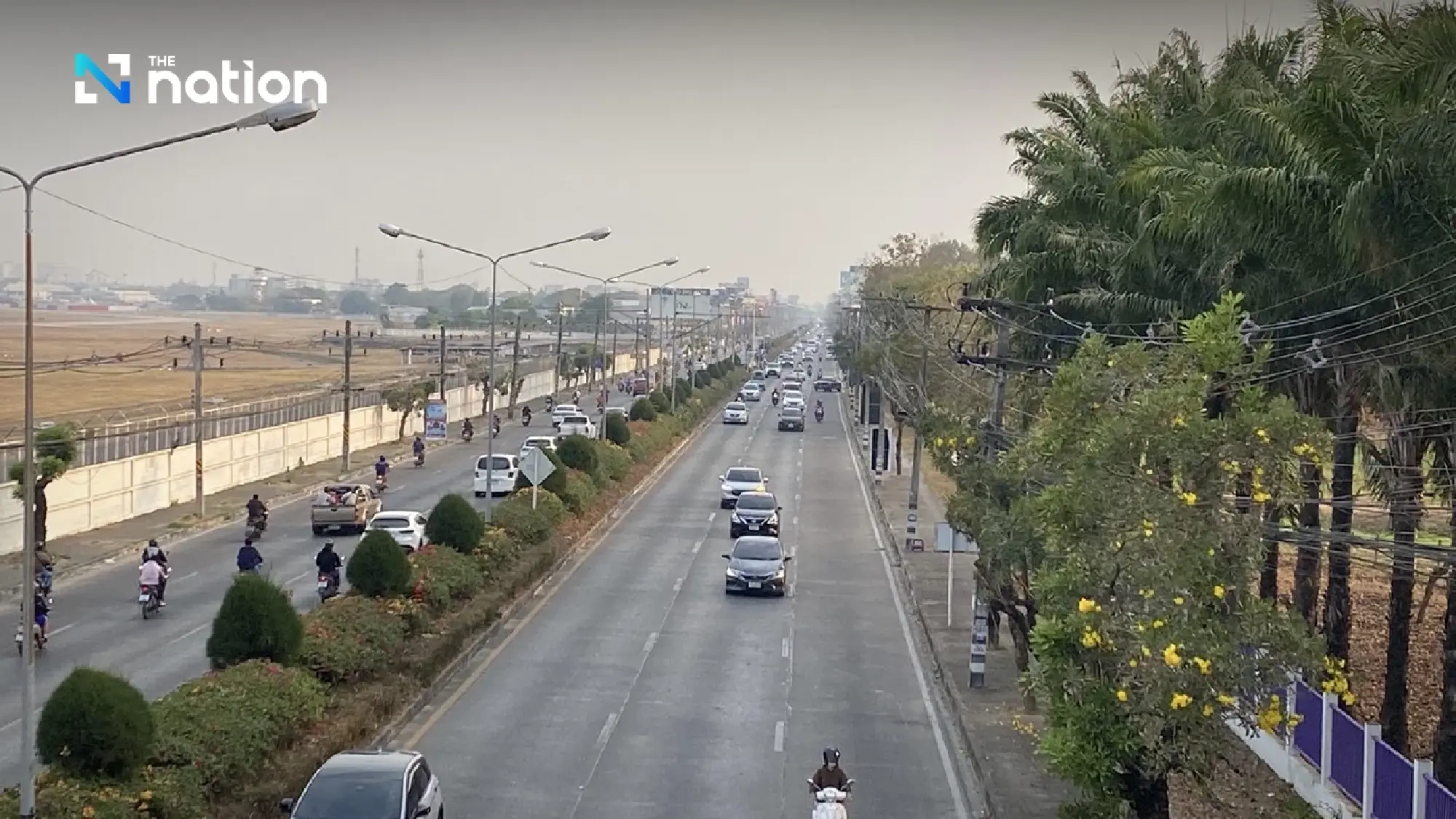

Forest Conditions and Fire Prevention Efforts
Kritsiyam Kongstri, Director of the 16th Conservation Area Management Office in Chiang Mai, revealed that since the beginning of 2026, the situation has not been severe. The forest still retains moisture; however, over the past one to two weeks, fires have started spreading into the southern zones of Chiang Mai. The fires began in Tak Province, then moved into Lamphun, and are now affecting the southern part of Chiang Mai.
The most severe situation is currently in Doi Tao District and at Ob Luang National Park, both areas with intact mixed deciduous and dry dipterocarp forests. Due to drought, leaf fall has increased the fuel load, contributing to higher fire risks.
Increased Forest Patrols and Public Cooperation
The 16th Conservation Area Management Office is closely monitoring forest entry and exit points, having announced a forest closure. They encourage the public to register their entry into the forest to avoid being suspected of illegal activities. In the heart of the forest, patrol plans have been adjusted. While staff already conduct quality patrols, the focus will now be on areas with recurring fire outbreaks.
The office urges local residents to cooperate in fire prevention efforts, hoping this year’s statistics will improve compared to last year.
