
Thap Lan park closes four tourist spots, announces measures to contain wild elephants
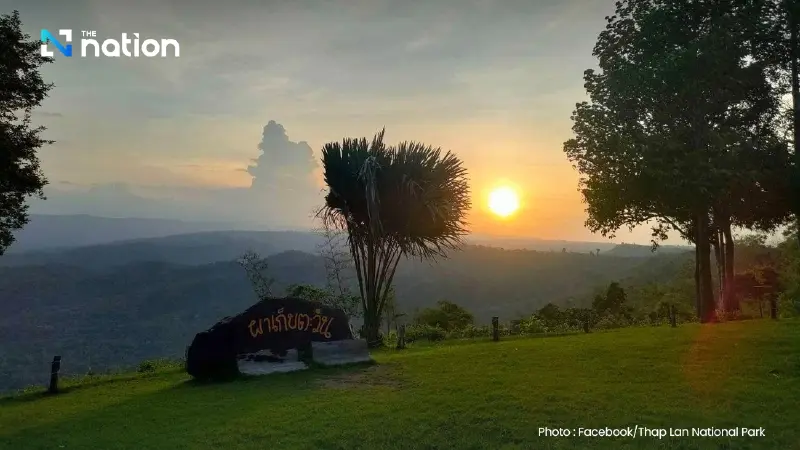


Thap Lan National Park in Nakhon Ratchasima has announced the closure of four tourist spots from March 1 to May 31 to allow nature to heal and ensure safety. The park has also unveiled new measures to prevent wild elephants from wandering into farmlands, including population surveys, volunteer-driven relocation, and infrastructure improvements.
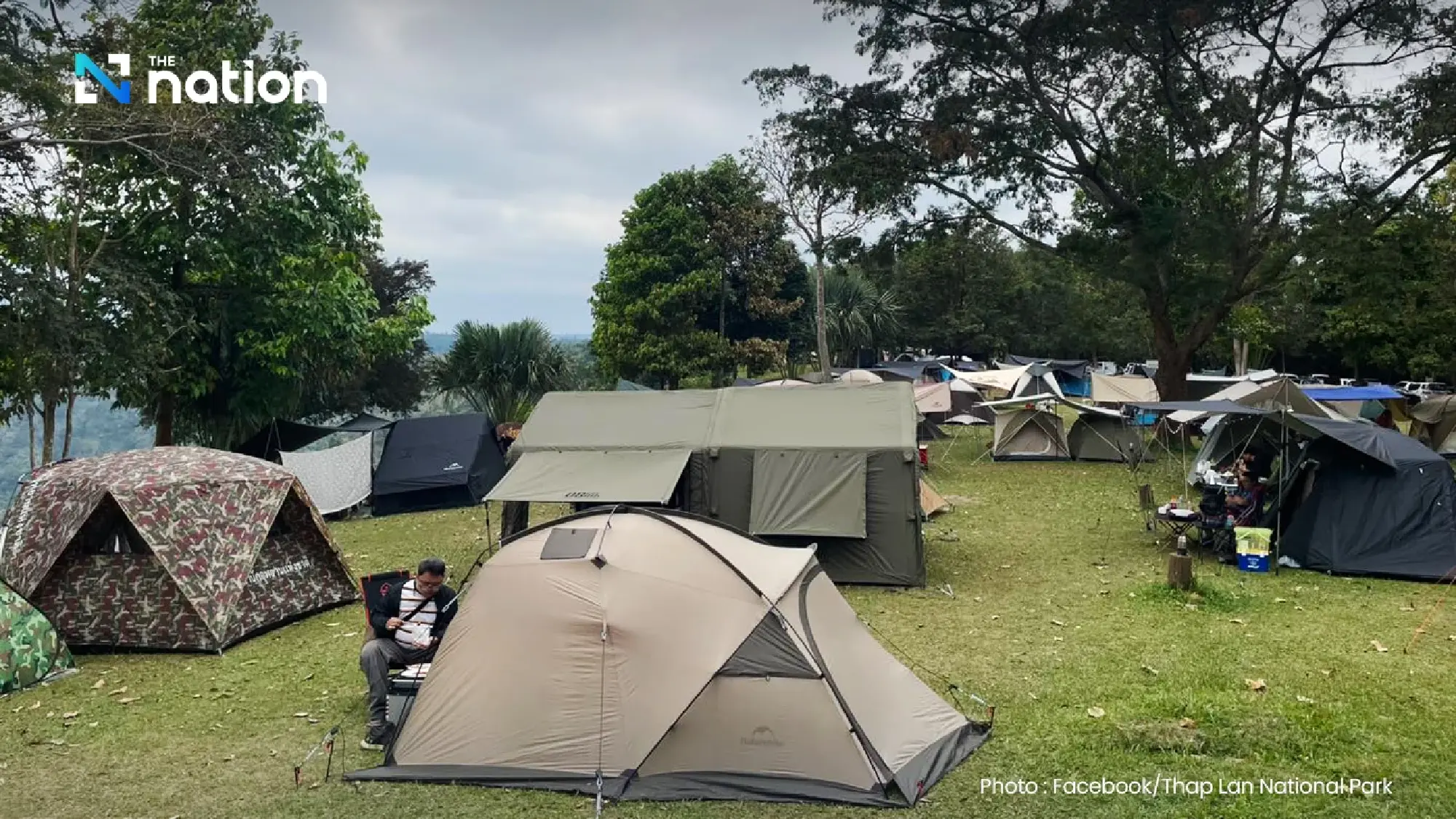
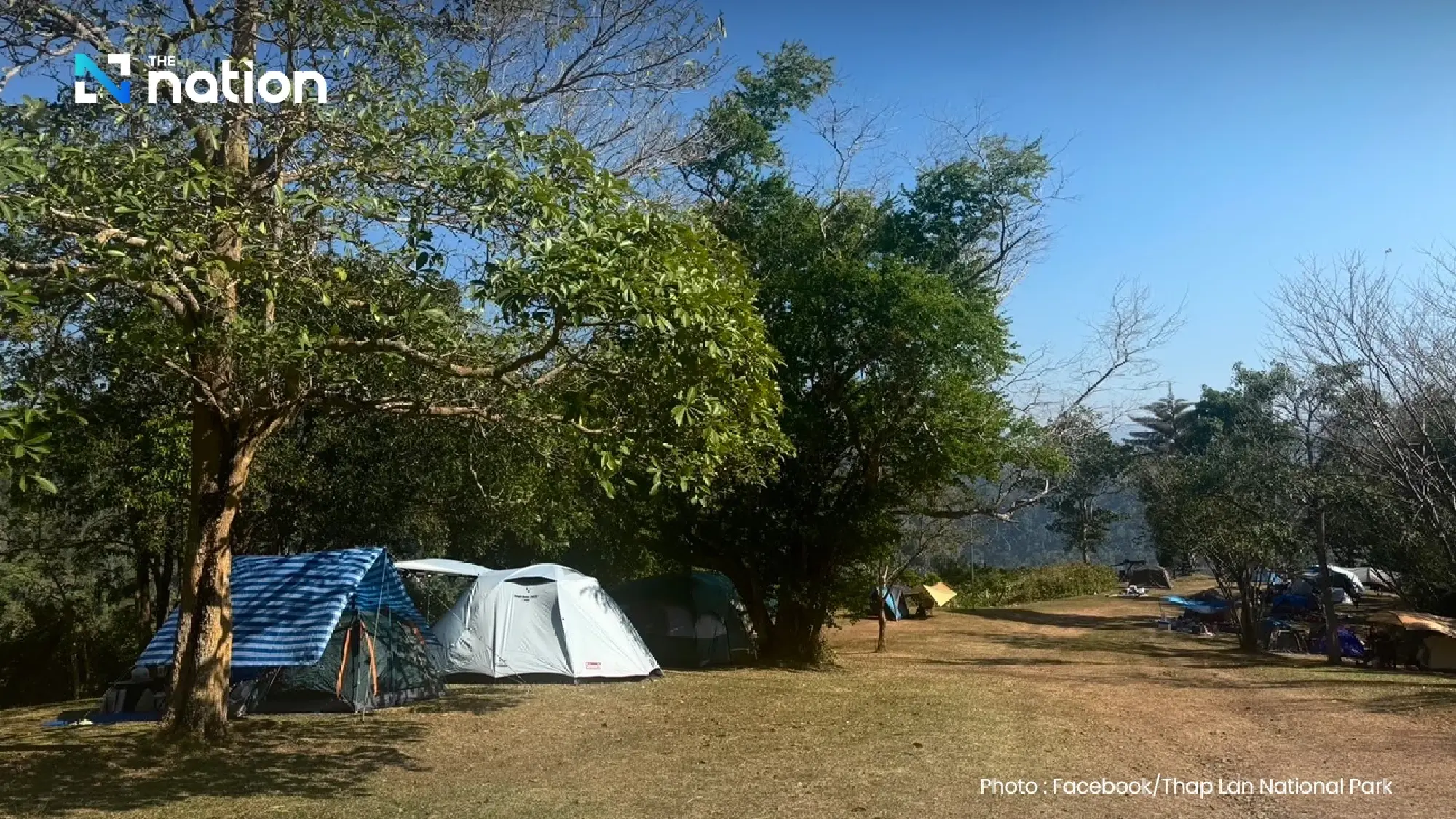
The Thap Lan National Park in Nakhon Ratchasima has announced the closure of four popular tourist spots for the period of March 1 to May 31. This decision aims to allow the park’s nature to recover while ensuring tourist safety.
In addition, the park unveiled measures to address the growing issue of wild elephants wandering from the park into surrounding farmlands.
Tourist Spots Closed for Nature Recovery and Safety
Prawatsat Chanthep, the chief of Thap Lan National Park, stated that the closures would give nature time to heal itself. The affected spots are:
- Suan Hom Fall
- Man Fah Fall
- Suan Hom Camping Ground
- Pha Keb Tawan Cliff
The closures are also part of the park’s efforts to maintain safety for visitors, as the presence of wild elephants and other wildlife has raised concerns in recent months.

Immediate and Long-Term Measures to Address Wild Elephants
On Wednesday, the committee responsible for managing wild elephant and gaur issues in Nakhon Ratchasima held a meeting to discuss solutions. The committee, which includes representatives from various agencies such as Thap Lan National Park, Khao Yai National Park, and Phaeng Ma Wildlife Sanctuary in Wang Nam Khieo, agreed on both immediate and long-term measures to tackle the problem of elephants venturing into farmlands.
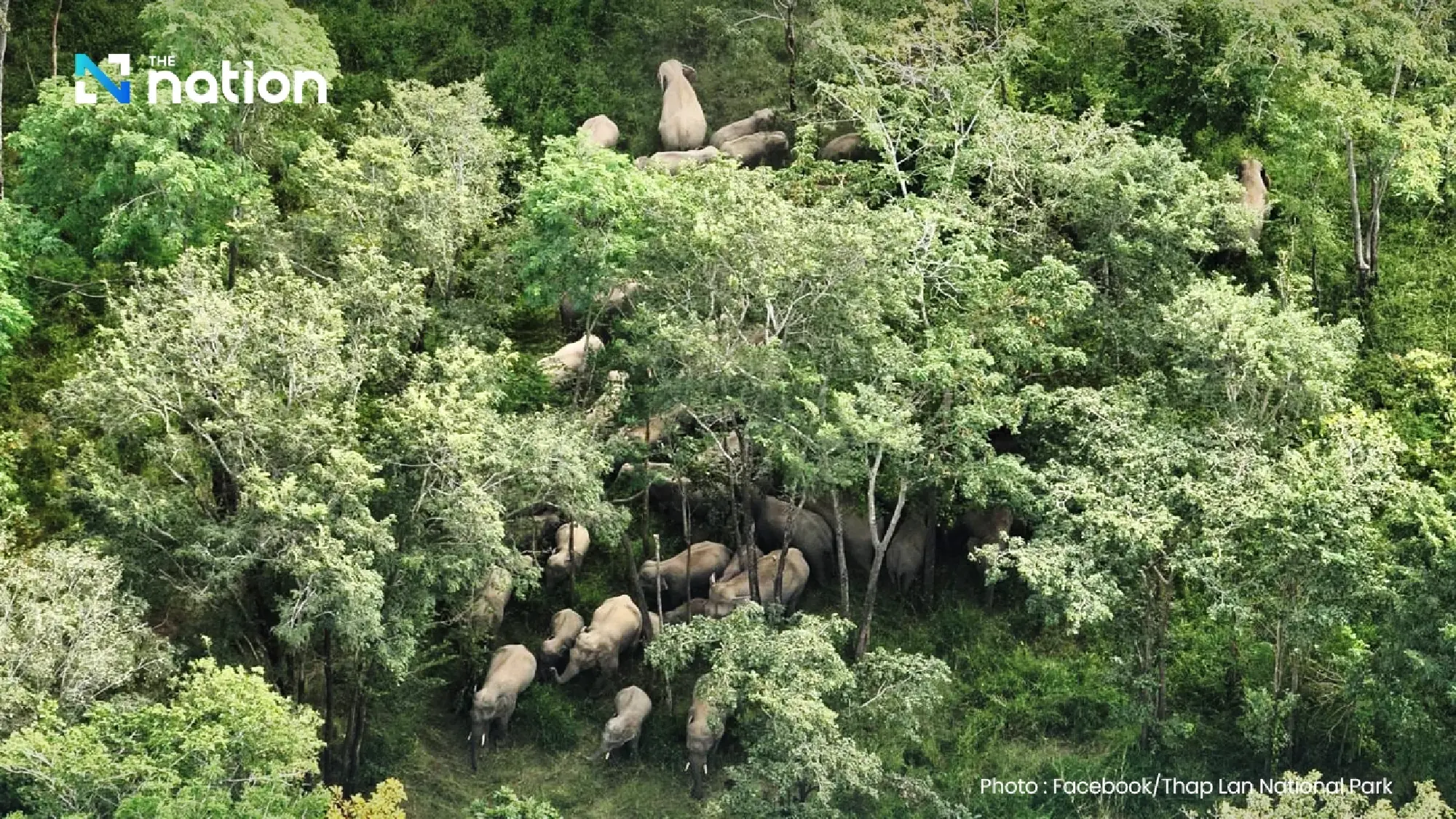
Prawatsat explained that wild elephants have been leaving the park due to a scarcity of natural food sources and have been damaging crops such as corn, sugarcane, and tapioca in nearby farms.

Short-Term Measures: Monitoring and Containment
As a short-term solution, Thap Lan National Park will conduct a survey of the current wild elephant population within the park. Additionally, park staff will work with volunteers to safely guide wild elephants back into the park if they wander into farmlands. The park will also explore technological solutions for more effective containment.

Middle-Term and Long-Term Solutions: Infrastructure and Awareness Campaigns
For more sustainable, middle- and long-term solutions, the park plans to seek funding for infrastructure projects, including building ditches and electric fences to keep elephants from straying outside park boundaries. Furthermore, Prawatsat emphasized that the park will launch educational campaigns for local farmers, encouraging them to plant crops that are less attractive to wild elephants. This initiative aims to reduce conflict between wildlife and agriculture in the region.
The implementation of these measures will help safeguard both the park’s biodiversity and the livelihoods of local farmers.

