
Stagflation risks Thai economy, if Middle East tensions continue
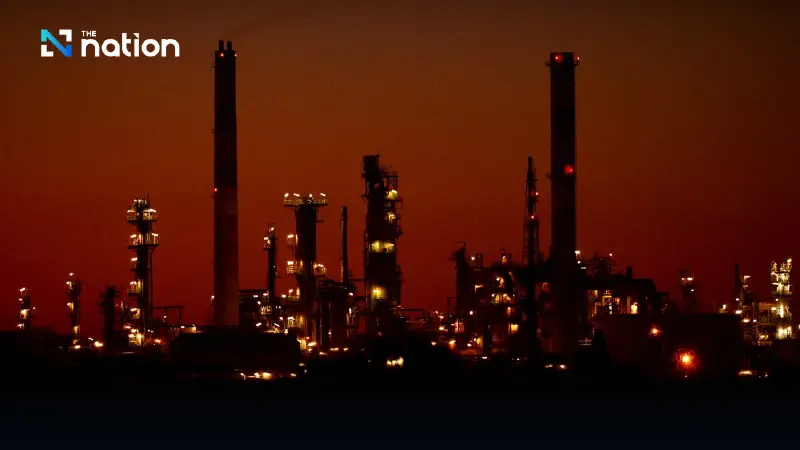


Thailand could face stagflation if energy prices surge amid tensions in the Middle East, according to Dr. Poonyawat Sreesing, Senior Economist at SCB EIC.
Thailand could face stagflation if energy costs surge significantly and household purchasing power weakens rapidly, says Dr. Poonyawat Sreesing, Senior Economist of Economic Intelligence Centre, Siam Commercial Bank.
Amid intensifying tensions in the Middle East, where vessels and oil terminals have been hit by projectiles and drones, Poonyawat said the combination of surging oil prices and slower economic growth could push the Thai economy into a period of stagflation.
“Thailand is one of the countries that is quite sensitive to oil price shocks because we are net importers of oil and energy. Each year, we import oil and gas worth around 8% of Thailand’s GDP. When oil prices rise, the Thai economy is significantly affected through inflation and weakened purchasing power,” he noted.
Thailand currently imports around 50% of its oil through the Strait of Hormuz. The government has also announced that the country has secured oil imports from other sources, including the United States and Malaysia, increasing reserves to cover 95 days of consumption.
As energy and energy-related products account for around 12% of the Consumer Price Index basket, the economist said Thailand will face significant pressure if diesel prices rise to 32 baht per litre from the current price cap of 30 baht.

Despite the inflation rate remaining below 0%, the economist said it could rebound to as high as 3% if energy prices increase.
However, Poonyawat added that export-oriented economies in Southeast Asia will also be affected by disruptions in the Middle East, warning that Thai exports could decline this year.
He also said Thailand’s tourism sector could face significant pressure as airfares rise sharply if oil prices fail to stabilise, which could eventually reduce the number of international tourists travelling to Thailand due to higher travel costs..
With strong demand for flight tickets and uncertainty over global oil prices, Thai Airways has announced plans to increase ticket prices by 10–15%.
To avert economic fallout amid global oil supply disruptions, Poonyawat suggested the government adopt a “3T” strategy: targeted, temporary, and timely measures.
“The government has to focus on target groups. In the short term, it is trying to limit the diesel price cap at 30 baht per litre, but later it may need more targeted support. Some groups are more vulnerable than others, such as SMEs and low-income households,” he said.
Temporary measures to relieve economic pressure on SMEs will be vital to avoid additional burdens, while timely policies to subsidise individuals and companies will also be essential in addressing the impact of oil supply shocks.
