
Suphajee urges calm as Thailand watches 59 goods items and says fuel remains sufficient



Commerce Minister Suphajee Suthumpun and Internal Trade chief Wittayakorn Maneenet have urged the public not to hoard goods, saying fuel supplies remain adequate and prices of 59 controlled items across six key product groups are under close watch.
Commerce Minister Suphajee Suthumpun sought to reassure the public over concerns about fuel supplies and rising commodity prices, insisting that Thailand still has sufficient oil reserves and urging consumers not to panic-buy or stockpile goods.
Speaking to reporters before attending the Cabinet meeting, Suphajee said relevant agencies had confirmed that fuel stocks remained adequate across the country. Although the Commerce Ministry does not directly set retail fuel prices, it would closely monitor pump prices to ensure they remain in line with rates announced by the Energy Ministry, while also watching for any signs of hoarding.
On reports of “out of fuel” signs at some service stations, Suphajee said that explanation should come directly from the Energy Ministry.
No need to hoard
Suphajee also moved to calm concerns over daily necessities, saying the Commerce Ministry was closely monitoring stock levels and that essential goods remained available.
She said plastic pellets used in packaging were currently sufficient until the end of April, while urea fertiliser stocks were expected to cover domestic demand until August. Additional import sources were also being sought from the Middle East and Iran.
The minister stressed that 59 controlled goods, including instant noodles, milk and fertiliser, remained under official price-control measures.

She appealed for public cooperation, warning that panic buying could trigger artificial shortages and place unnecessary pressure on supply chains.
“Please do not panic and stockpile goods,” she said, adding that the government was working to strike a balance between operators’ rising costs and the public’s cost of living in order to avoid longer-term damage to jobs and the wider economy.
Suphajee said all relevant agencies had been instructed to coordinate closely, with provincial commerce offices taking the lead in initial monitoring and investigation if complaints were reported. She said coordination was already under way in every province.
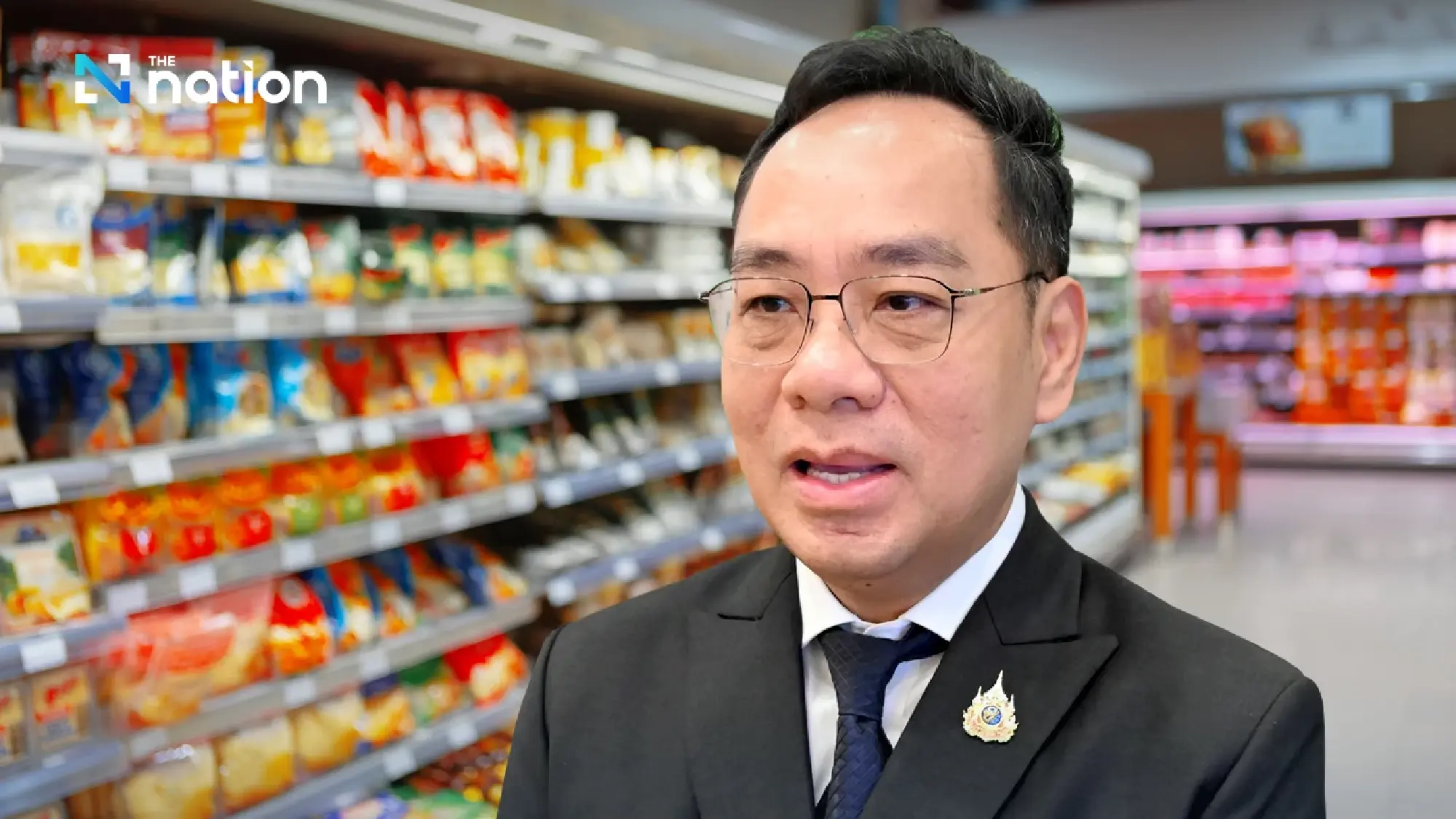

Internal Trade keeps 59 items under legal supervision
Wittayakorn Maneenet, director-general of the Department of Internal Trade, said the department had stepped up monitoring of consumer goods prices amid tensions linked to the fighting in the Middle East, particularly products whose cost structures are tied to oil prices and imported raw materials.
He said that under the 2025 announcement of the Central Committee on Prices of Goods and Services, there are currently 59 controlled items subject to legal supervision under the Price of Goods and Services Act.
Under the existing rules, producers and distributors must seek prior permission before raising prices for essential goods that affect the public. The department will then examine cost structures in detail before deciding whether any selling-price adjustment is justified.
Wittayakorn said that, so far, no operators had submitted requests to increase prices. Producers and distributors had also been asked to keep prices unchanged to help ease pressure on households during the current period of uncertainty.
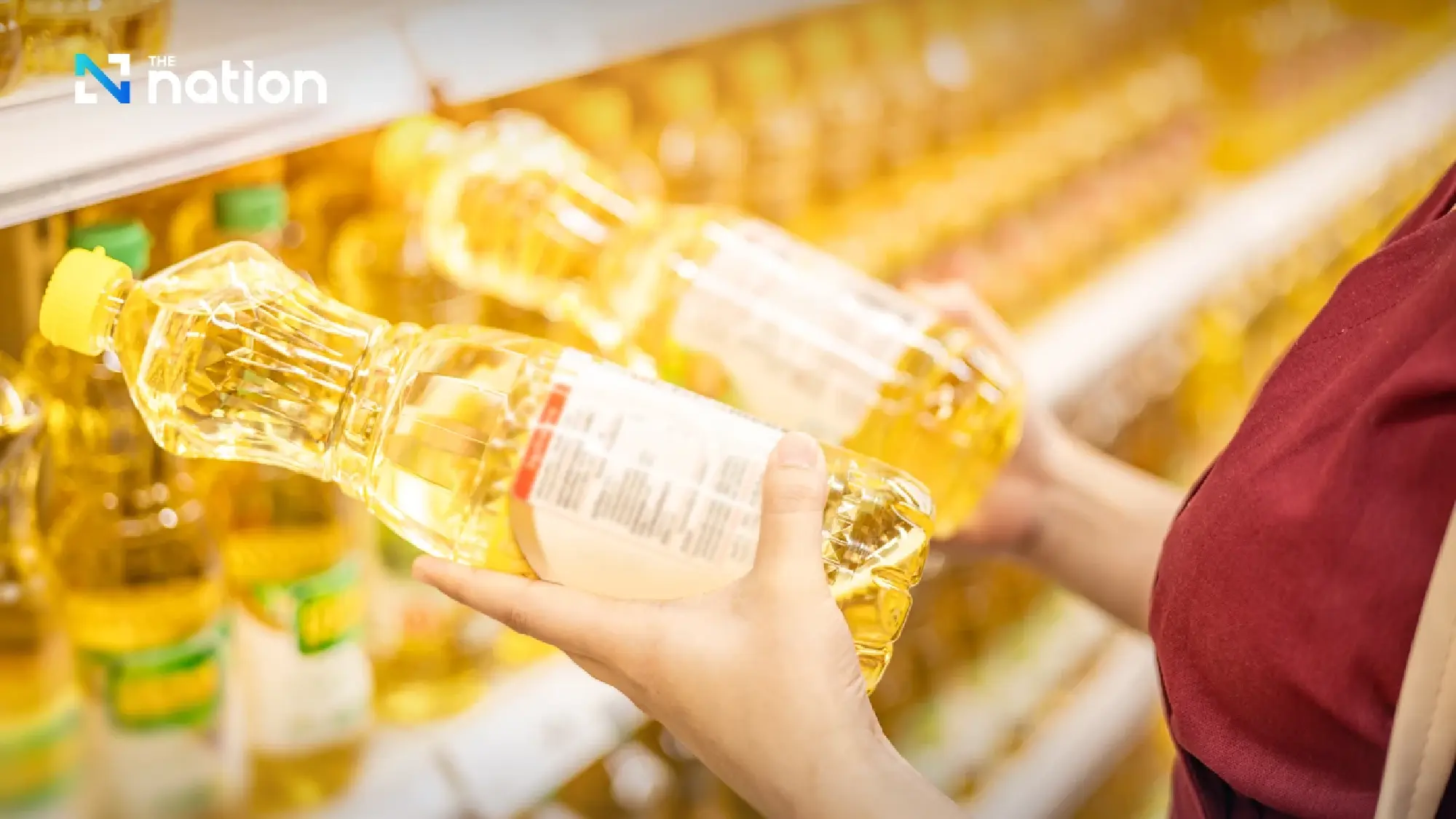

Six product groups under close watch
The Department of Internal Trade has identified six major product groups that could be affected by higher oil costs and transport disruption.
These include fresh food such as eggs, pork and chicken; key agricultural products including rice, oil palm and fruit; essential consumer goods such as tissue paper and paper packaging; canned food, especially canned fish; beverages and goods using plastic packaging, including drinking water, bottled milk and vegetable oil; and construction materials such as cement, steel bars, house paint, PVC pipes and tiles.
Wittayakorn said these were all basic goods essential to daily life and the broader economy, making close monitoring necessary.
Fertiliser stocks seen as sufficient
For agricultural goods and production inputs, he said the department had continued to track the fertiliser situation closely and that Thailand still had enough stock for domestic use.
Importers have also diversified sourcing to countries not affected by the conflict, including Malaysia, Brunei and Oman. At the same time, the department is preparing to connect fertiliser supplies directly from producers to farmers nationwide ahead of the planting season from May to August, covering major cultivation areas for in-season rice, maize, oil palm and fruit.
He said the focus would be on three main types of chemical fertiliser — urea, phosphate and potash — covering formulas suitable for all crops at every stage of growth. Budget “Green Flag” fertiliser events are also being prepared to help cut farmers’ production costs.


Three-tier system for monthly monitoring
To supervise the market, the Department of Internal Trade is using a three-tier monitoring system reviewed every month.
The Sensitive List covers 18 items, including chemical fertiliser, eggs, pork, vegetable oil, diesel and plastic pellets. These are monitored daily, with intensive inspections by officials.
The Priority Watch List covers four items — prepared food, milk powder, pesticides and hot-rolled steel sheet — and is reviewed twice a week to prevent hoarding.
The Watch List covers 197 items, such as soap and laundry detergent, and is checked every 15 days.
Wittayakorn said the current domestic goods and price situation remained manageable and under control, with authorities continuing to track both stock volumes and cost structures to ensure supplies remain sufficient nationwide.
He urged the public to buy goods in reasonable quantities according to need, rather than stockpiling more than necessary, so that products could be distributed widely and fairly.
He also called on all sectors to save energy, spend carefully and follow government updates closely, saying he believed Thailand could get through the current volatility smoothly if all sides cooperated.
Warning against profiteering
The department also warned that any opportunistic price increases, hoarding or refusal to sell goods would face strict legal action.
Failure to display prices carries a fine of up to 10,000 baht. Selling goods at unreasonably high prices, hoarding or refusing to sell can result in up to seven years’ imprisonment, a fine of up to 140,000 baht, or both.
Members of the public can report suspected violations to the Department of Internal Trade hotline at 1569.
