
PM reassures Thailand is not at energy emergency stage, rejects Bt60 diesel fears
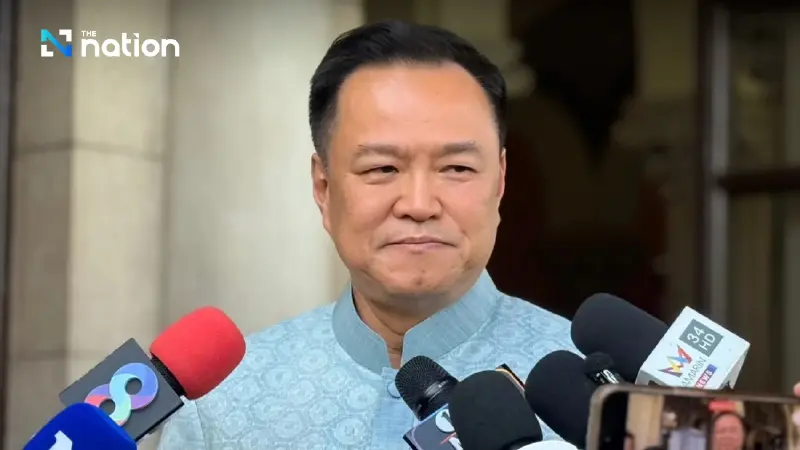


Thailand has ruled out an energy emergency for now, saying fuel supplies are stabilising even as diesel prices remain under pressure from global oil volatility
Thailand has not yet reached the stage of declaring an energy emergency, Prime Minister Anutin Charnvirakul said on March 30, as he moved to reassure the public over fuel availability and dismissed speculation that diesel prices could surge to 60 baht per litre.
He said the situation was gradually improving, with fuel supply across the country returning close to normal levels, stressing that authorities were closely monitoring distribution nationwide.
Anutin cautioned against drawing conclusions from isolated cases of petrol stations appearing closed, saying such images did not reflect the broader national picture. He added that provincial governors in all 76 provinces have been tasked with submitting daily reports on fuel availability, particularly ahead of the Songkran travel period, to ensure there are no disruptions to transport or logistics.
He noted that ensuring smooth travel during the holiday period has been set as a key performance indicator for local authorities, underlining the urgency placed on maintaining stable supply.
Global tensions drive oil prices
The prime minister stressed that movements in fuel prices were being driven primarily by global factors, particularly the volatile situation in the Middle East, which remains beyond Thailand’s control.
He said developments in the conflict could shift rapidly, with uncertainty over potential escalations, ceasefires or supply disruptions continuing to affect global oil markets.
Anutin dismissed concerns over diesel reaching 60 baht per litre, saying such projections were speculative and dependent on international developments rather than domestic policy.
He pointed out that rising fuel prices were being seen worldwide, not just in Thailand, citing higher price levels in countries such as Singapore, the United States and Malaysia as evidence that the trend was global.
“When conflict intensifies, it impacts all sectors, not just energy,” he said, adding that Thailand’s fuel prices were moving in line with global market mechanisms.
Supply security remains top priority
Anutin said the government’s primary focus was to ensure that oil supply remained stable and sufficient, even as external pressures continued.
He said authorities had received consistent assurances that there were no irregularities in crude oil imports, with supply chains continuing to function normally.
To reinforce domestic supply, state energy firm PTT has already begun importing refined diesel from overseas, adding additional volumes into the system.
The prime minister said the increased supply would help boost confidence among the public and ensure availability across all regions. Any surplus could be stored as reserve stock, in line with legal requirements governing national fuel reserves.
He added that maintaining supply stability was more critical than attempting to control prices, given the external nature of the crisis.
Public urged to conserve energy
Anutin called on the public to play a role in strengthening energy security by reducing unnecessary fuel consumption and exploring alternative energy options where possible.
He said co-operation from consumers would help ease pressure on the system and enhance overall resilience, particularly during periods of heightened global uncertainty.
The more efficiently energy is used, he said, the stronger Thailand’s ability to withstand external shocks.
Phiphat remains key to crisis management
Addressing questions over Deputy Prime Minister and Transport Minister Phiphat Ratchakitprakarn, Anutin said he had declined to approve Phiphat’s resignation from his role linked to the Joint Management and Monitoring Centre for the Situation in the Middle East.
He said Phiphat had been working intensively and remained an important figure in managing the situation due to his experience and understanding of operational mechanisms.
Anutin also dismissed concerns over any potential conflict of interest, insisting that all decisions were being made in the public interest.
He added that the government continues to function as a coordinated team, drawing on the expertise of key officials to navigate the evolving crisis.
Government maintains close coordination
The prime minister said the government was maintaining close coordination across agencies, with regular meetings held to assess developments and adjust responses accordingly.
Although he is not formally part of the committee overseeing the situation, Anutin said he attends meetings daily to ensure alignment across ministries and to closely monitor progress.
He added that the government remained focused on reducing public anxiety while ensuring transparency and responsiveness in its handling of the situation.
Confidence remains key
Anutin acknowledged that public concern was understandable given the global uncertainty, but stressed that the situation in Thailand was improving and under control.
He said the government’s responsibility was to ensure that fuel remained available and that confidence in the system was maintained.
While global developments may continue to influence prices, he reiterated that Thailand is not yet at the stage of requiring emergency energy measures, and that the situation would continue to be managed through existing mechanisms.
