
South Korea mulls nationwide driving curbs amid oil price surge
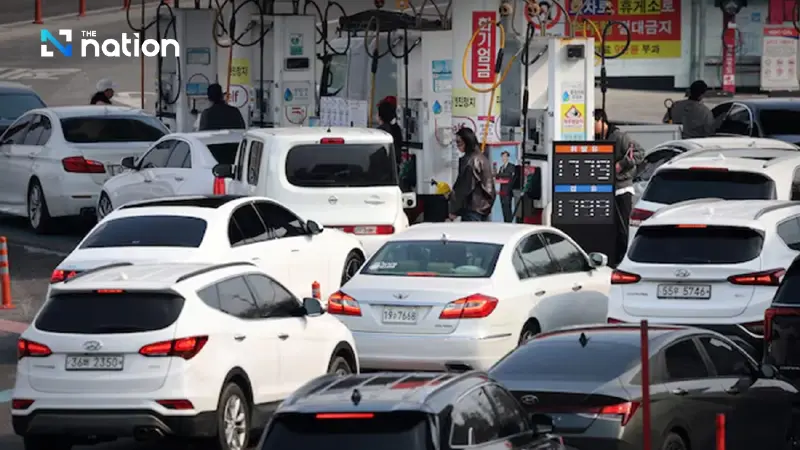


South Korea is weighing nationwide driving curbs and possible fuel tax cuts as surging oil prices and Middle East tensions threaten energy supplies.
South Korea is considering extending driving restrictions to the general public if global oil prices rise further, senior officials said, as the authorities seek to rein in energy demand amid supply strains caused by the US-Israeli war with Iran.
According to Reuters, Finance Minister Koo Yun-cheol said on Sunday that the government could expand restrictions on passenger car use beyond public institutions if crude prices climb to around US$120-US$130 a barrel, up from the current US$100-US$110 range.
If extended to the wider public, the policy would mark the country’s first nationwide driving curbs since the 1991 Gulf War, when the government imposed a 10-day vehicle rotation system to conserve energy.
“If the Middle East situation worsens, the crisis alert would have to move up to the ‘warning’ stage, and around that point we would need to curb consumption,” Koo said in a local broadcast, referring to a move to the third-highest level in the country’s four-stage resource security crisis alert system.
He added that the government may also consider further fuel tax cuts to ease the burden on households.
In a separate media release on Monday, the finance ministry said mandatory driving curbs for the private sector remain undecided, adding that the authorities would weigh energy supply conditions and broader economic factors before taking any action.
South Korea imports about 70% of its crude oil from the Middle East, leaving the country highly exposed to supply disruptions and sharp price swings stemming from tensions in the region.
Last week, the government enforced a mandatory five-day vehicle rotation system for the public sector, restricting vehicle use according to number plates.

Energy Minister Kim Sung-whan said last Thursday that the authorities were reviewing tighter demand-management measures should the alert level rise further, including broader enforcement of driving curbs, while encouraging voluntary participation by companies and the financial sector.
Major conglomerates such as Samsung Electronics and SK Group have joined the effort, urging employees to cut back on private car use and adopt fuel-saving measures.
Lawmakers and senior politicians have also taken to social media, posting about using public transport and bicycles to set an example and calling on the public to join energy-saving efforts.
Kim also sought to prevent panic buying of rubbish bags, as some consumers have been hoarding plastic bags in anticipation of a possible shortage linked to the Middle East energy crisis.
In a Facebook post, he said that more than half of local governments have more than six months’ worth of rubbish bag inventory, adding that South Korea would allow the use of regular bags for waste in a worst-case scenario.
South Korean President Lee Jae Myung urged the country to speed up its shift to renewable energy, including electric vehicles, saying the energy issue was “so severe that even I can’t sleep at night”.
