
Customs Department steps up fight against e-waste smuggling
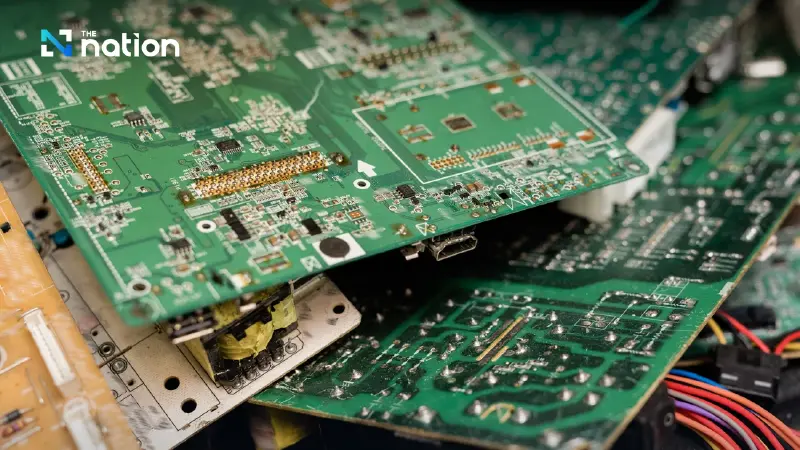


After the 18-container seizure at Laem Chabang, the Customs Department is widening inspections, re-export plans and legal action against the syndicates behind the trade.
The Customs Department has intensified its drive against transnational syndicates smuggling electronic waste into the country, widening joint inspections with the Department of Special Investigation (DSI) after the March 10 seizure of 18 suspicious containers at Laem Chabang Port exposed how hazardous cargo was being disguised as scrap.
The case followed intelligence shared by the Basel Action Network (BAN) and the United Nations Office on Drugs and Crime (UNODC), and officials say 714 suspicious containers were impounded between April 2025 and March 2026.
The March 10 inspection was carried out by the Customs Department, DSI and the Pollution Control Department, with Deputy Prime Minister and Minister of Natural Resources and Environment Suchart Chomklin joining the operation at Laem Chabang in Chon Buri. Authorities say the latest push is aimed at keeping hazardous waste out of the country.
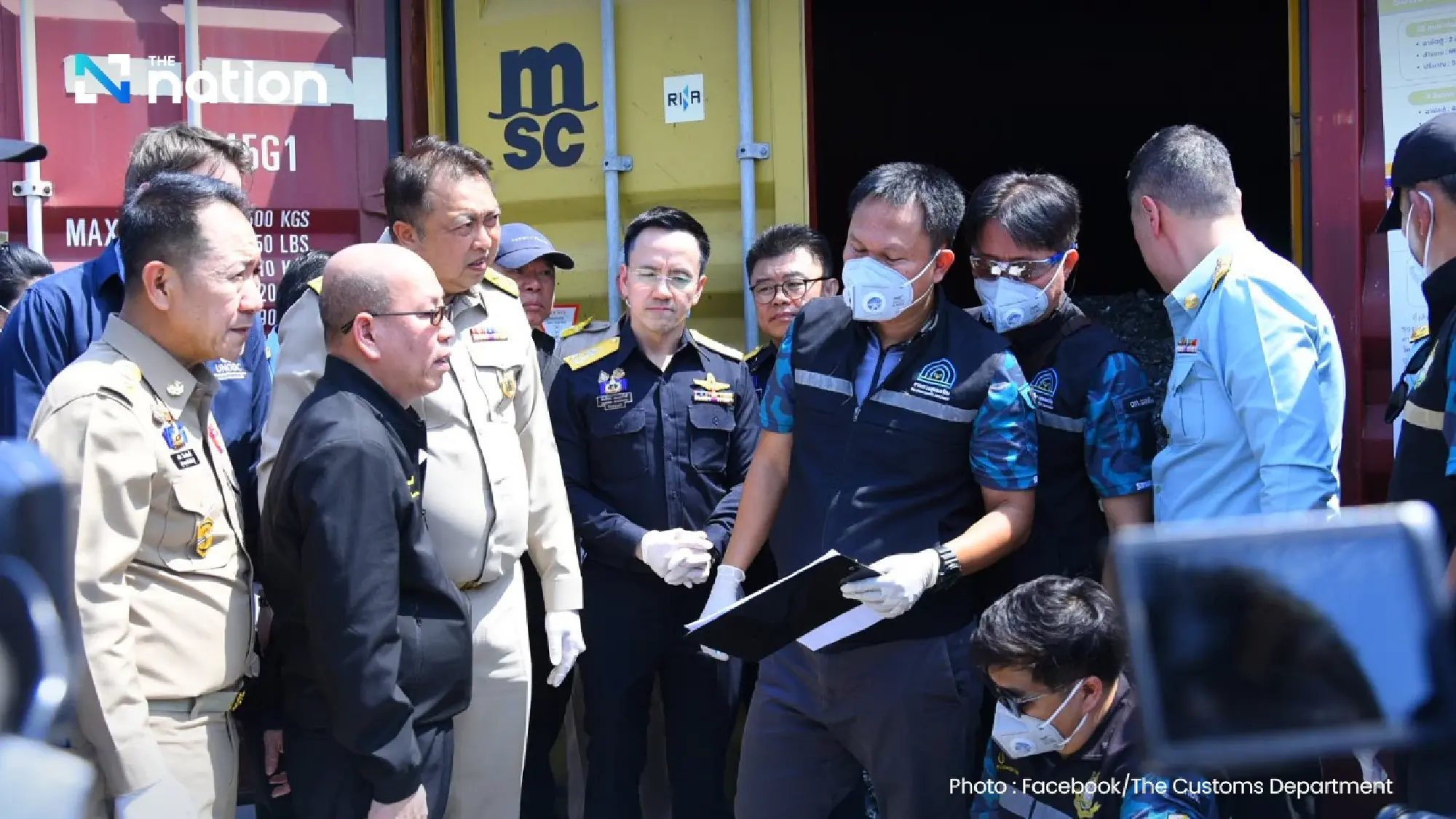

18 containers point to wider trafficking web
Inspection of the 18 containers suggested a broader smuggling network. Authorities found 12 containers declared as scrap metal from Haiti but mixed with electronic circuit boards and other components, weighing about 284,919kg. Another four were declared as metal scrap and mixed metal from the United States, with destinations listed as Japan and Hong Kong, while two more were declared as aluminium scrap from the United States and the Netherlands.
Re-export and financial probe gather pace
Authorities are now moving to send the first batch back under Basel Convention procedures while also widening the investigation beyond the port. Investigators are tracing financial links tied to the network behind the shipments, while those involved could face action under Section 244 of the Customs Act 2017, which carries penalties of up to 10 years in prison or a fine of up to 500,000 baht, plus a settlement fine equivalent to 20% of the declared value.
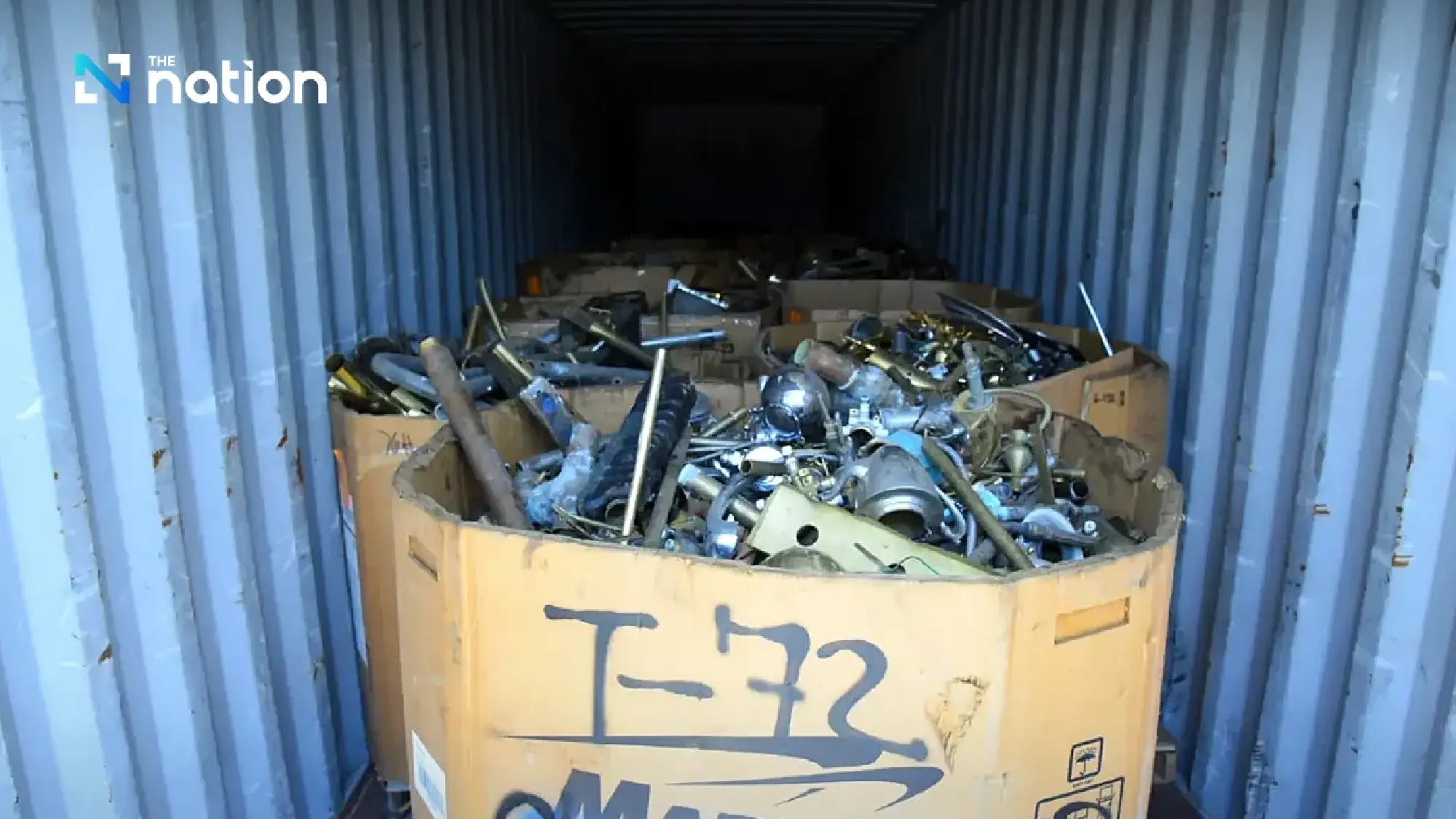

Customs says fight will not end at the port
Officials warn that if such waste slips through port controls, it can end up in illegal dismantling operations, threatening air quality, water sources, farmland and public health. Thailand banned e-waste imports in 2020 and expanded the prohibition in 2025 to cover 463 items, in part to close loopholes used in false declarations. The latest crackdown, authorities say, is meant to send a clear message that Thailand will not become the world’s dumping ground.

