
Songkran road toll reaches 71 after 50 deaths in a day



The RSOC said 50 people were killed on April 11 alone, with speeding and drink-driving still the main causes as Songkran travel intensified nationwide.
Thailand’s Songkran road toll rose sharply on the second day of the “seven dangerous days” campaign, with the Road Safety Operation Center (RSOC) reporting 50 deaths on Saturday (April 11), bringing the two-day death toll to 71.
The April 11 figures also included 208 accidents and 185 injuries, according to the centre’s summary released on April 12.
Fifty die on day two
The RSOC said Nakhon Ratchasima and Phitsanulok recorded the highest number of deaths on Saturday, with three each. Over the first two days of the campaign, from April 10-11, Thailand recorded 344 accidents, 317 injuries and 71 deaths. Nan had the highest cumulative number of accidents at 17, while Nan and Lampang recorded the highest cumulative number of injuries at 17 each. Prachin Buri and Phitsanulok had the highest cumulative death toll at four each, while 39 provinces reported no fatalities.
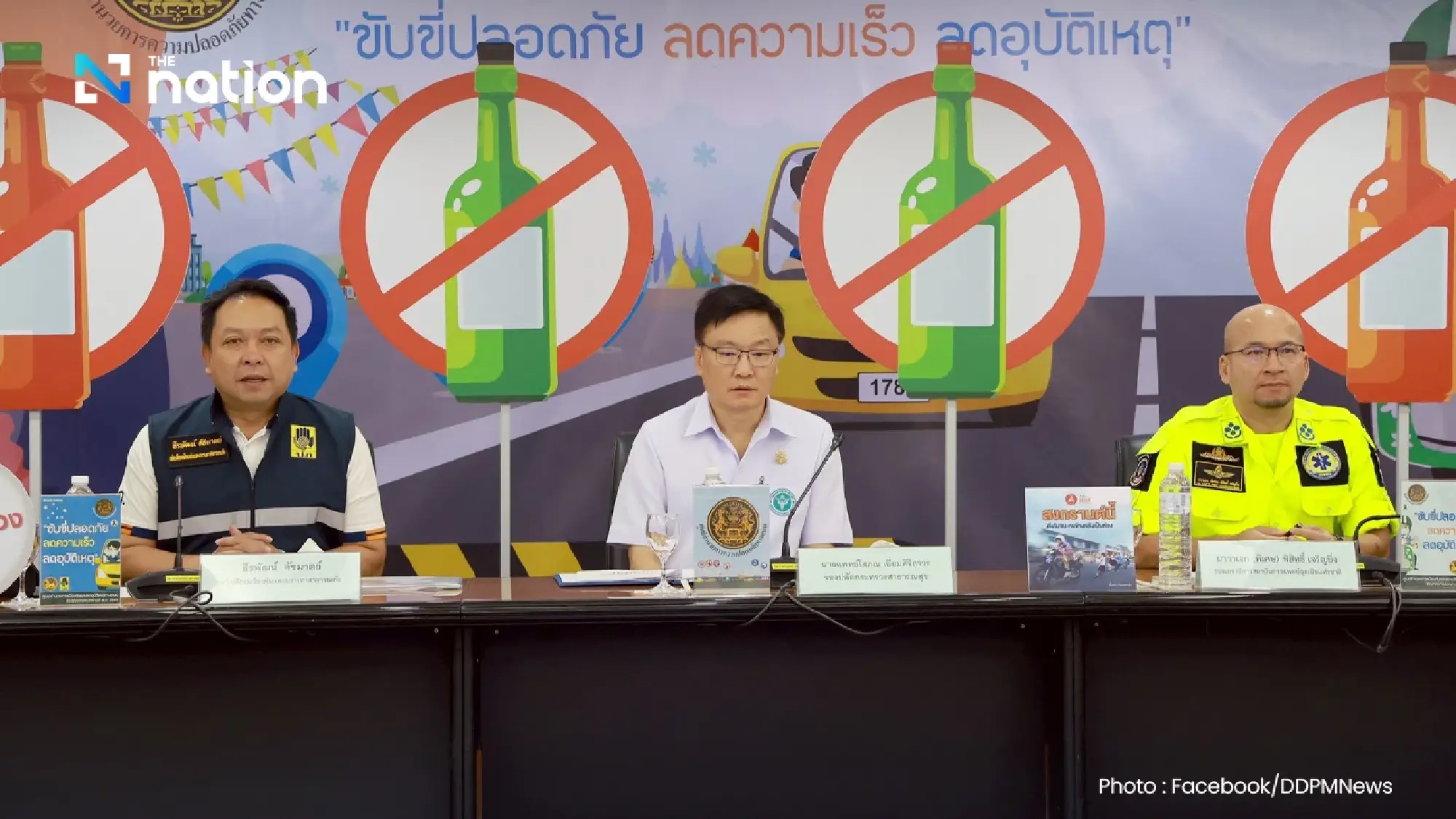

Speeding and drink-driving still lead
Speeding remained the leading cause of accidents at 45.71%, followed by drink-driving at 24.76%. Motorcycles were involved in 61% of cases. Most crashes happened on straight roads, and nearly half occurred on highways under the Department of Highways. The deadliest and most injury-prone age group was 20-29, accounting for 22.88% of casualties, while the peak accident period was between 9.01am and noon.
The RSOC said most travellers had already reached their destinations, while others were still on the move or visiting tourist sites, and Songkran water celebrations had already started in some areas. It has ordered provinces and Bangkok to tighten safety measures in water-play zones, put up warning signs, strictly enforce traffic laws against risky behaviour, ban alcohol sales to people under 20, and use community checkpoints to stop unsafe drivers from leaving local areas.


Songkran exodus stays strong despite fuel-price shock
Songkran is often one of Thailand’s biggest annual homecoming periods, when workers and students living away from home travel back to their provinces to spend the Thai traditional New Year with their families.
This year, fuel prices had surged in the run-up to the holiday and it was reported that higher transport and living costs were expected to curb spending. Even so, the exodus did not appear to ease significantly.

The Transport Ministry forecast 10.65 million vehicles entering and leaving Bangkok on main highways and motorways during April 10-19, while heavy outbound traffic was reported on routes from Bangkok towards the North and Northeast and on southbound routes as holiday travel gathered pace.
