
Anutin visits Phuket to oversee crackdown on illegal structures at Bang Tao, Freedom Beaches
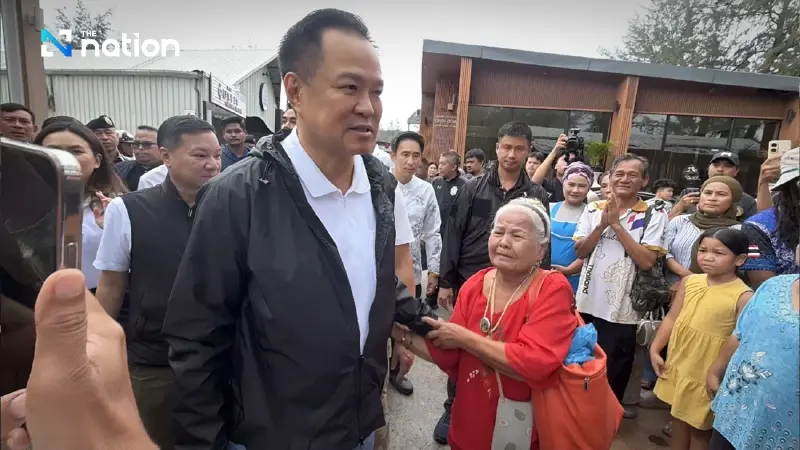


Prime Minister Anutin Charnvirakul visits Phuket to oversee the enforcement of land reclamation efforts at Bang Tao and Freedom Beaches, as authorities tackle public land encroachment.
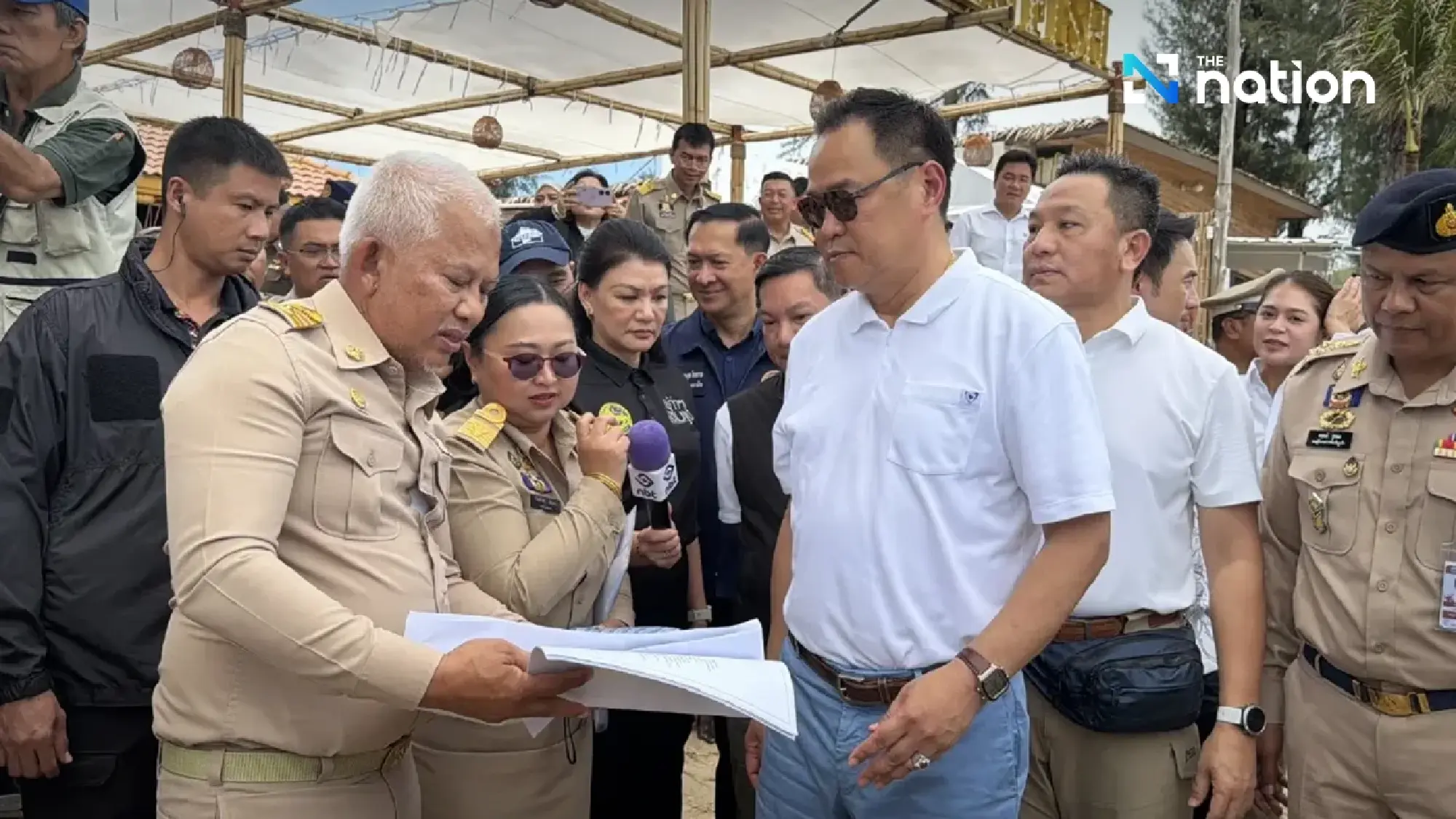
Prime Minister Anutin Charnvirakul arrived in Phuket on Sunday (May 10) to oversee the government’s efforts to reclaim public land and protect national forest areas at two key tourist destinations: Bang Tao Beach and Freedom Beach.
His visit follows an intensified crackdown by both provincial and national authorities aimed at addressing long-standing issues of land encroachment and illegal development.
During his visit, Anutin toured Bang Tao Beach, a location that has been at the heart of recent enforcement actions. Authorities have worked throughout 2026 to dismantle illegal structures, including restaurants and commercial buildings constructed on public beachfront land.
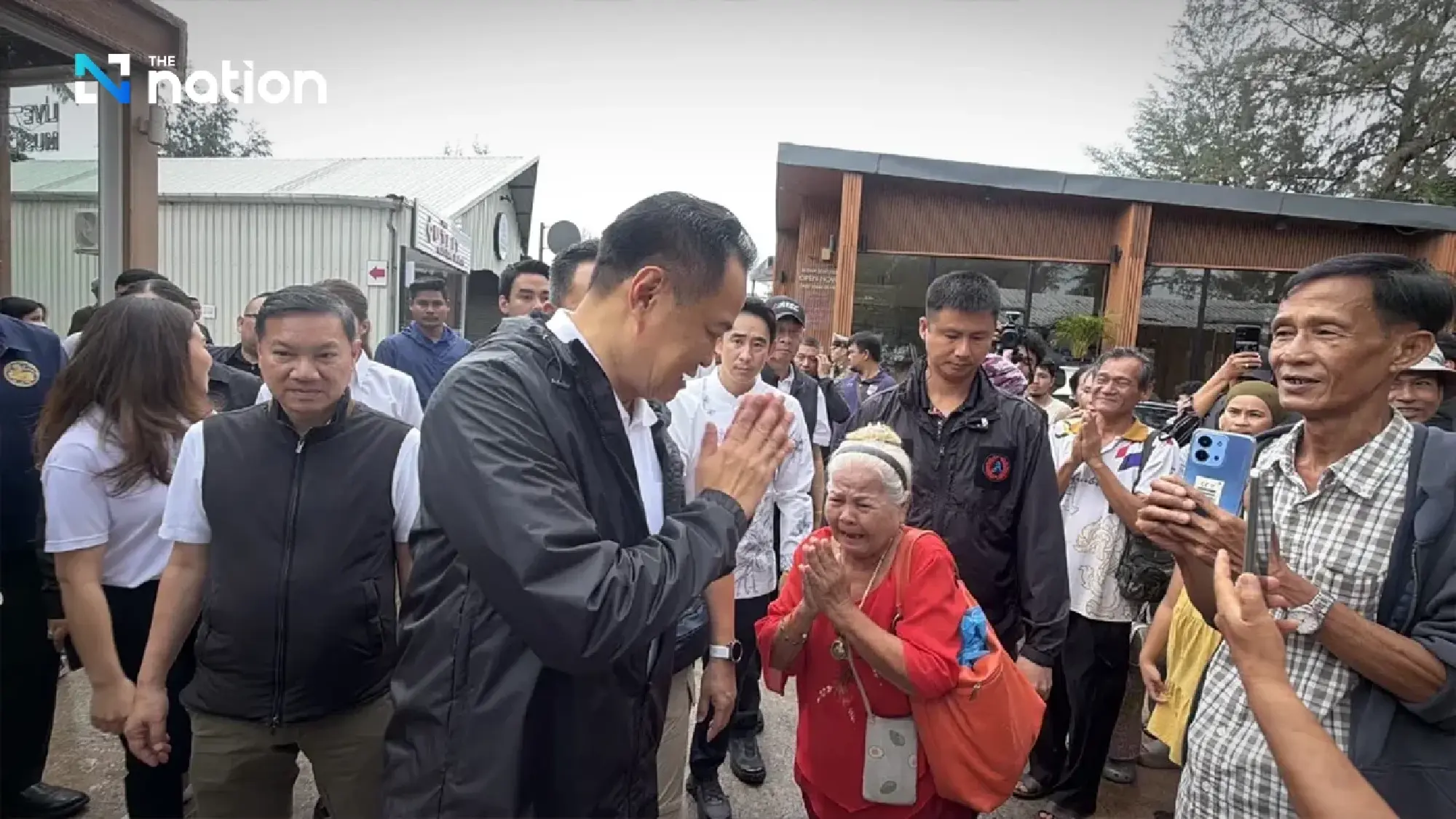

Bang Tao Beach: Government Enforcement Intensifies
The operation at Bang Tao Beach represents a significant effort to reclaim public land and protect the coastline from illegal development. Since early 2026, the government has reclaimed over five rai (approximately 8,000 square meters) of beachfront land from 16 illegal restaurant structures.
Investigations revealed that the area had previously been used for illegal subleasing, where public land was treated as private rental property. Foreign nationals were reportedly using Thai nominees to control and expand businesses along the beach, further complicating enforcement efforts.
Anutin’s visit underscores the importance of dismantling permanent structures and enforcing land ownership laws that protect Thailand's public spaces.
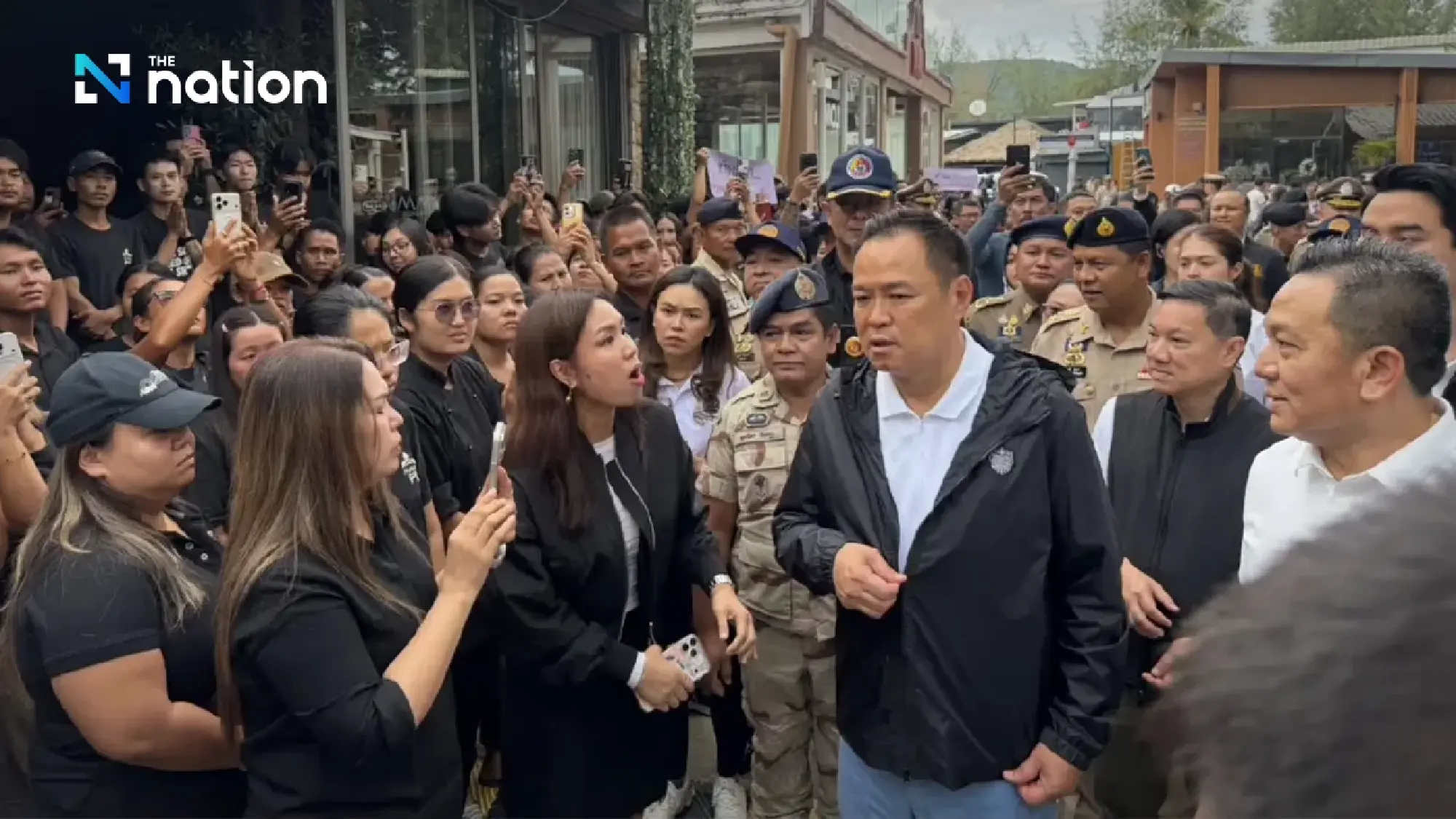

Freedom Beach: Environmental Concerns and Illegal Land Clearing
At Freedom Beach, located within the Khao Nak Kerd National Reserved Forest in Karon, the situation is more complex due to environmental conservation concerns. A major inspection in March 2026 revealed illegal forest clearing for the construction of accommodations, shops, and other facilities within the protected forest area.
Authorities have expressed concern over the influence of a group known as the "Freedom Beach Mafia," which allegedly claims ownership of the encroached land and has reportedly sold parts of it to foreign nationals for substantial sums.
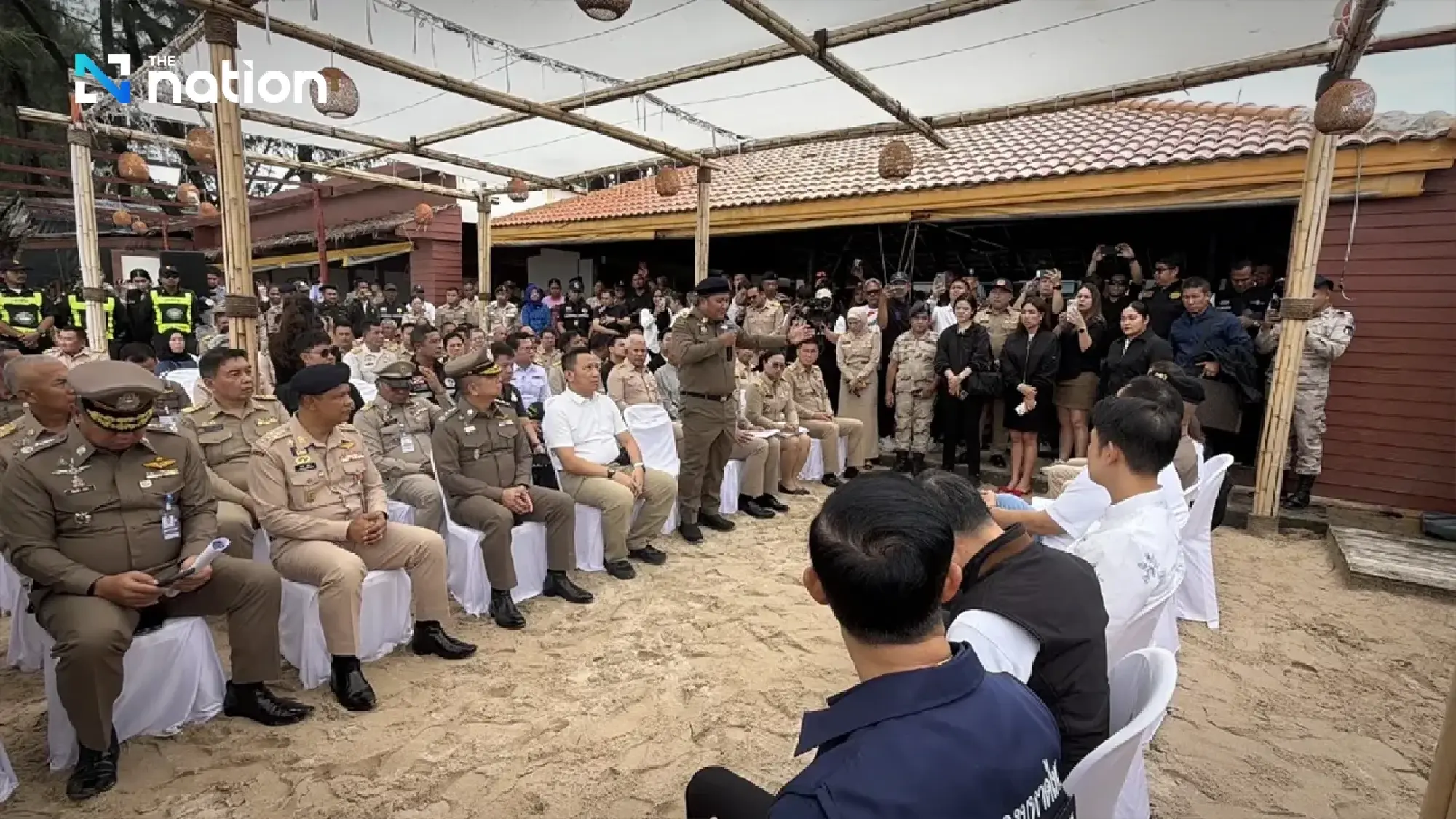

Escalating Tensions and Intimidation Tactics
The crackdown on Freedom Beach has escalated, with reports of shooting threats and gunshot-like sounds used to intimidate officials and law enforcement. Phuket lawmakers have reported these threats, particularly after calling for action against the Freedom Beach Mafia.
Further investigations have also uncovered that four elephants were found chained in the encroached area, leading to additional concerns about illegal wildlife possession and land misuse.

A Systematic Approach to Enforcement
The current approach by Phuket authorities is more systematic than in previous years. Rather than focusing only on removing small vendors, the government is now investigating the broader issue of illegal land titles and business operations that exploit public coastal areas.
This shift in focus aims to address the underlying structures that allow such encroachment to persist, with the goal of returning public land to its rightful use.
Prime Minister’s Commitment to Resolving the Issue
Anutin’s visit to Phuket signals a firm commitment from both provincial and national authorities to address these land reclamation issues. The government’s ongoing actions aim to protect public land, enforce environmental conservation laws, and ensure land rights are respected for future generations.
Crackdown on Foreign Nationals Violating Business Laws
In addition to the action on illegal structures, Phuket Provincial Police have reported significant progress in the crackdown on foreigners violating Thailand's business laws. Under the Foreign Business Act and Nominee Laws, authorities have targeted 15 businesses involving foreign nationals, primarily in the car rental and restaurant sectors.
Among the 33 foreign suspects, Russians represent the largest group, followed by Chinese nationals. Charges against these individuals include operating businesses in sectors where foreigners are not allowed to compete, as well as using nominees to circumvent Thai ownership laws.
Phuket police have also tightened enforcement on foreigners driving without Thai driving licences, arresting over 8,600 foreign nationals in the first four months of 2026 alone, highlighting the province’s commitment to ensuring legal compliance and maintaining order in its tourism-dependent economy.
